
Smoke Detector Still Beeping After Battery Replacement

Ah, the smoke detector. That trusty guardian of our homes, silently standing watch… until it decides to serenade us with that infuriating, high-pitched chirp. You know the one. It usually starts at 3 AM, just when you've finally drifted off. So, like the responsible adult you are, you stumble out of bed, grab a chair, and heroically swap out the battery. You feel a wave of accomplishment wash over you. You've conquered the chirp! But then, five minutes later… chirp. Again. And again. It's enough to make you want to throw the whole thing out the window, isn't it?
Don't worry, you're not alone in this peculiar purgatory. That lingering beep after a fresh battery swap is a classic home mystery, right up there with "where do all the missing socks go?" But unlike the sock mystery, this one actually has a few sensible answers. Let's dig in, shall we? You might even find yourself smiling as we unravel this little domestic enigma.
The Great Capacitor Conundrum (aka, "Have You Tried Turning It Off and On Again?")
This is, hands down, the most common culprit. Imagine your smoke detector is like a tiny, very sensitive computer. When its battery gets low, it stores a bit of that "low battery" memory in a tiny electrical component called a capacitor. You swap the battery, but that little capacitor is still clinging to its old memory, like a teenager refusing to let go of their phone even after you've said "bedtime!"
Must Read
The fix? It's often as simple as a good old-fashioned reset. Think of it like rebooting your smartphone when it’s acting glitchy. Or, if you prefer a culinary analogy, it's like letting the steam out of a pressure cooker before you try to open it. You've got to relieve that pressure, or in this case, drain that residual charge.
Here’s the magic trick:
- Take the old battery out (which you've already done, gold star!).
- Now, here’s the crucial part: Hold down the "Test" button for about 15-20 seconds.
- Pop in the new battery.
Holding that button down effectively drains the capacitor, clearing its memory. Many times, this simple act is all it takes to silence that persistent little chirper. If you hear a final, satisfying loud beep when you release the test button, you've likely succeeded! Go on, give yourself a pat on the back.

Even New Batteries Can Be Duds (The Unfortunate Truth)
You bought a shiny new battery, peeled off the plastic, and confidently clicked it into place. Surely it can't be the battery again, right? Well, sometimes, even brand-new batteries can be a bit… lazy. Or perhaps they've been sitting on a shelf for a while and aren't at their peak performance. It's like buying a new carton of milk only to find it's already slightly sour – frustrating, but it happens!
Before you lose your cool, grab another new battery from a fresh pack (if you have one) and try swapping it again. Also, double-check that you've inserted it correctly. We've all been there, trying to fit a square peg in a round hole when we're groggy from lack of sleep. Make sure the positive and negative terminals are lined up perfectly. A simple reversal can cause all sorts of confusing beeps and silence.

Dust Bunnies and Tiny Creepy Crawlies: An Uninvited Guest
Your smoke detector has tiny vents and sensors that are constantly sniffing the air for signs of smoke. Over time, these little openings can become mini-magnets for dust, cobwebs, and even tiny insects. It’s like trying to see through a dusty window – the view gets obscured. When these sensors get gunked up, they can become overly sensitive, or just plain confused, leading to those random, annoying chirps.
Imagine a tiny speck of dust getting into your eye – it’s incredibly irritating, isn’t it? Your smoke detector feels much the same way! So, carefully take your detector down (if it’s easy to reach), grab your vacuum cleaner with a brush attachment, or a can of compressed air, and gently clean around the vents and openings. A quick wipe with a slightly damp cloth on the exterior can't hurt either. Just be gentle, these are sensitive little gadgets!
The Grand Finale: End-of-Life Chirp
This one is a bit sad, like saying goodbye to an old friend, but it's important. Smoke detectors don't last forever. They have a lifespan, typically 7 to 10 years. After this time, their internal components start to degrade, and they become less reliable. The "end-of-life" chirp is their final, desperate plea for retirement. It's their way of saying, "I've done my duty, but I'm just not as spry as I used to be!"
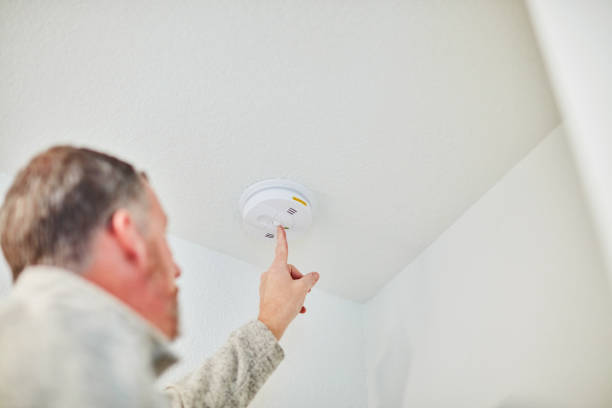
If your detector is older than about 7 years (check the manufacture date on the back – yes, it's usually printed there in tiny letters!), and you've tried all the other fixes, it's probably time to replace the entire unit. Think of it like an old phone that just won't hold a charge anymore, no matter how many times you replace the battery. It's served its purpose, and it's time for an upgrade.
Why Should We Even Care About a Silly Beep? (Beyond Your Sanity)
Okay, so we’ve covered the "how-to-fix-it" part. But let's pause for a moment and remember why these little noisemakers are so important. It's easy to get caught up in the annoyance, but that chirp, even when it's just a false alarm, is a reminder that these devices are your home's personal bodyguard. They're constantly on duty, sniffing the air for danger, even when you're sound asleep.
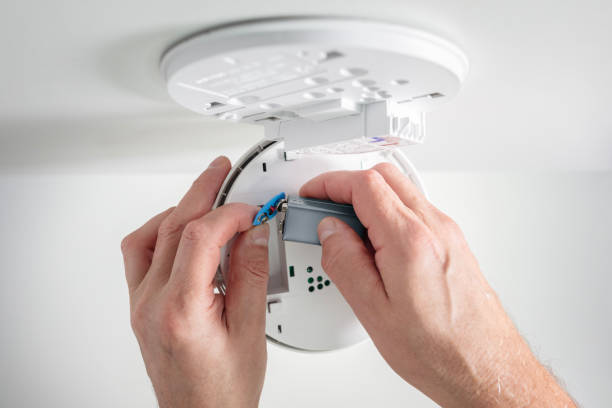
Imagine this: A tiny spark in the attic, a forgotten pot on the stove, or an electrical issue brewing behind the walls. These things happen. And in those critical moments, a working smoke detector is the first line of defense. It’s the difference between a minor scare and a full-blown disaster. It’s the early warning that gives you and your loved ones (and your beloved pets!) precious minutes to escape safely.
That annoying chirp, though frustrating, is actually a sign that the system wants to work. It’s trying to tell you something! It's like your car making a strange noise – you might grumble, but you know ignoring it could lead to bigger, more expensive problems down the road. For smoke detectors, the "expensive problem" could be far, far worse than a repair bill.
So, the next time you hear that persistent little chirp, take a deep breath, channel your inner detective, and remember that a few minutes of troubleshooting now can lead to years of peace of mind. Your home, your family, and your slumber will thank you. And once it's silenced, give that detector a little appreciative nod. It's doing important work, even when it's being a bit of a drama queen about its battery.