
Smoke Detector Saying Low Battery With New Batteries

Okay, let's talk about one of life's little mysteries, the kind that makes you scratch your head and wonder if your house is playing tricks on you. You know the drill: that incessant, high-pitched chirp starts up. It's the smoke detector, of course. Your immediate thought? "Ah, low battery." So, you grab a fresh pack, pop 'em in, and confidently screw the detector back into place, expecting sweet silence.
But then... chirp!
Wait, what? You just put in brand-new batteries! Are you hearing things? Did you somehow mess it up? Did the batteries go bad on the shelf? It's a strangely common, universally confusing experience. And honestly, it's kind of fascinating once you dig into why it happens.
Must Read
The Persistent Chirp: A Tiny Household Enigma
It feels like a betrayal, doesn't it? Like you've done your part, played by the rules, and the device is just... refusing to cooperate. Most of us just assume a new battery is a magic bullet. But our trusty smoke detectors, these unsung heroes of home safety, are a little more complex than just a battery holder with a siren. They've got tiny brains, circuits, and memories.
Why the Fresh Batteries Aren't Always the Instant Fix
So, why does your smoke alarm seem to be gaslighting you? Let's break down a few of the cool, quirky reasons this might be happening.
1. The "Brain Needs a Reset" Phenomenon:
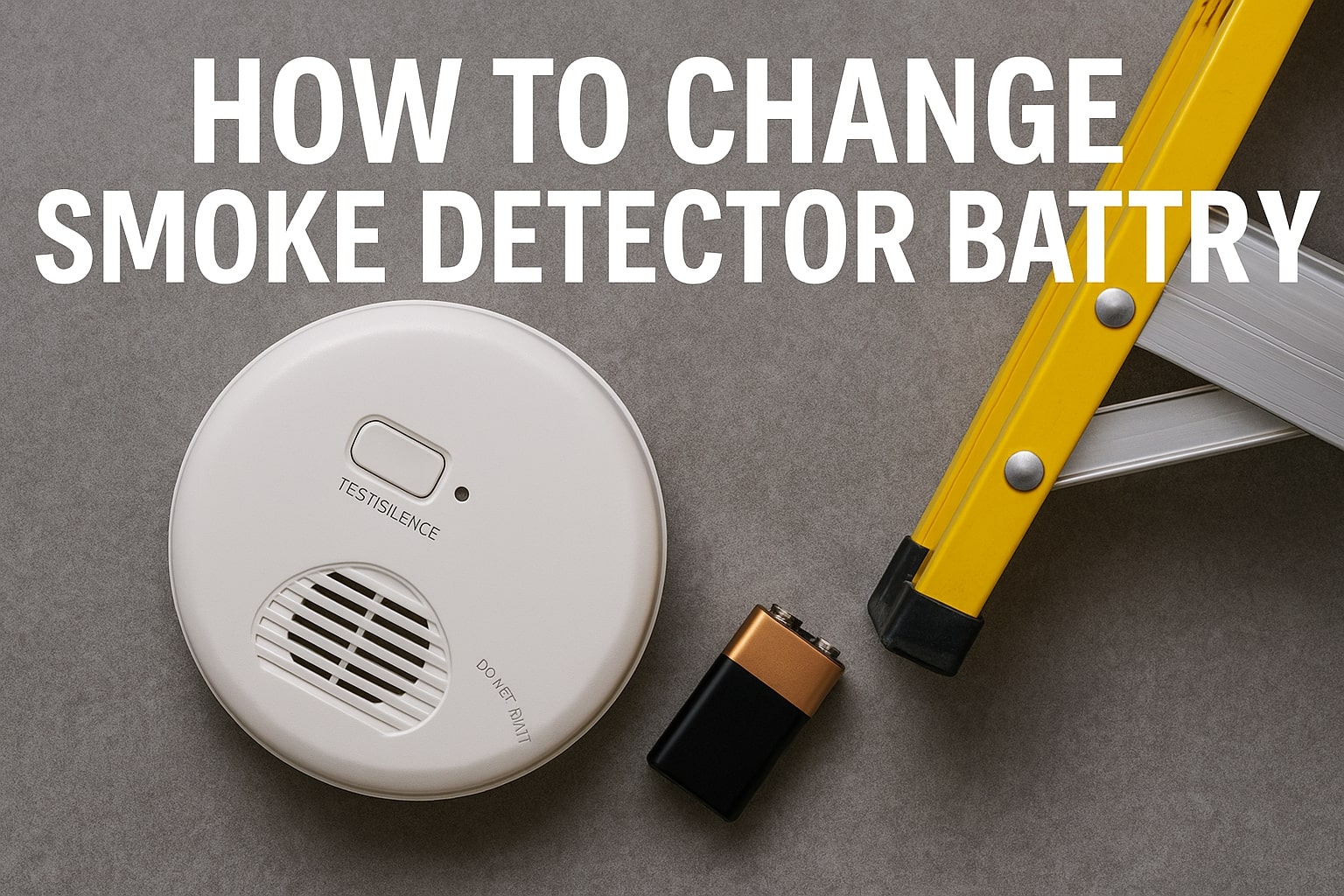
Think of it like this: your smoke detector has a little capacitor inside. This capacitor stores a tiny bit of residual power, even after you've pulled out the old batteries. It's like your computer holding onto some cached data. When you pop in the new batteries, that capacitor might still be holding onto the "low battery" signal from its memory. It needs a moment to fully discharge and clear its system, much like your phone sometimes needs a full reboot after an update.
The fix? After putting in the new batteries, try holding down the test button for about 15-20 seconds. This often forces the capacitor to discharge completely, essentially giving the detector a hard reset and clearing its memory of the low-battery warning. It’s like telling it, "Hey, new management, new power levels!"
2. The Case of the Fussy Contacts:
Sometimes, it's not the battery or the brain; it's just a bad connection. Imagine trying to make friends, but you're too shy to properly shake hands. The metal terminals inside the detector that connect to the battery can get a little grimy, corroded, or bent over time. This can prevent the new batteries from making proper contact, leading the detector to still believe it's running on fumes. A quick clean with a cotton swab or a gentle adjustment of the contacts might do the trick.
3. The "New But Not So New" Battery Conundrum:
It's rare, but it happens. Even brand-new batteries can sometimes be duds or simply not have the full charge they should. Maybe they sat on the shelf for too long, or perhaps there was a manufacturing quirk. It's like buying a fresh loaf of bread only to find it's a bit stale inside. If all else fails, trying another set of truly fresh batteries from a different pack or brand might just solve the mystery.
4. It's Not the Battery – It's the Detector Itself:
This is where things get a bit more serious, but still interesting. Smoke detectors have a lifespan, typically around 8-10 years. After this time, their internal components, especially the smoke-sensing chambers, can degrade or get filled with dust and tiny particles. When a detector is nearing the end of its life, it might start chirping erratically, and sometimes, it incorrectly interprets an internal fault as a "low battery" signal.
If your detector is over a decade old and still chirping after a battery change and reset, that chirp isn't just a low-battery warning; it's the detector's way of saying, "Hey, I'm retired! Time for a replacement!" This is actually a cool safety feature, nudging you to keep your home protection up to date.
5. The Pesky Dust Bunnies:
Believe it or not, dust is a major enemy of smoke detectors. A buildup of dust inside the sensing chamber can trigger false alarms or, you guessed it, make the detector behave erratically, including sending out those confusing low-battery chirps. A blast of compressed air can often clear out the gunk and bring your detector back to its senses.
The Unexpected Coolness of a Chirping Alarm
So, while initially annoying, that persistent chirp after new batteries actually nudges us to think a little deeper about the technology in our homes. It's a tiny engineering puzzle, a micro-mystery that highlights the often-overlooked complexity of everyday devices. It reminds us that even simple gadgets have internal logic, memory, and sometimes, just need a little gentle persuasion or a proper reset.
It’s also a powerful reminder of the importance of these devices. Whether it's a capacitor needing to discharge, a dusty sensor, or an old unit signaling its retirement, that chirp is always trying to tell you something important. So, next time you hear it, instead of just groaning, maybe take a moment to appreciate the little riddle it presents. It might just be your smoke detector trying to teach you a cool new thing about how your home works!