
Smoke Detector Continues To Beep With New Battery

Ah, the smoke detector. That unsung guardian of our homes, designed to be seen (or rather, heard) only in moments of true emergency. But then, it decides to serenade you with its persistent, high-pitched chirp at 3 AM. You dutifully replace the battery, perhaps with a slight groan, only to find... it's still beeping. The horror! The betrayal! What gives?
Don't worry, you're not alone in this peculiar modern-day mystery. This isn't just a quirky plot point from a sitcom; it's a common household head-scratcher. Let's decode the enigmatic language of your smoke alarm and get you back to blissful silence (or your favorite podcast, at a reasonable volume).
The Mystery of the Persistent Beep
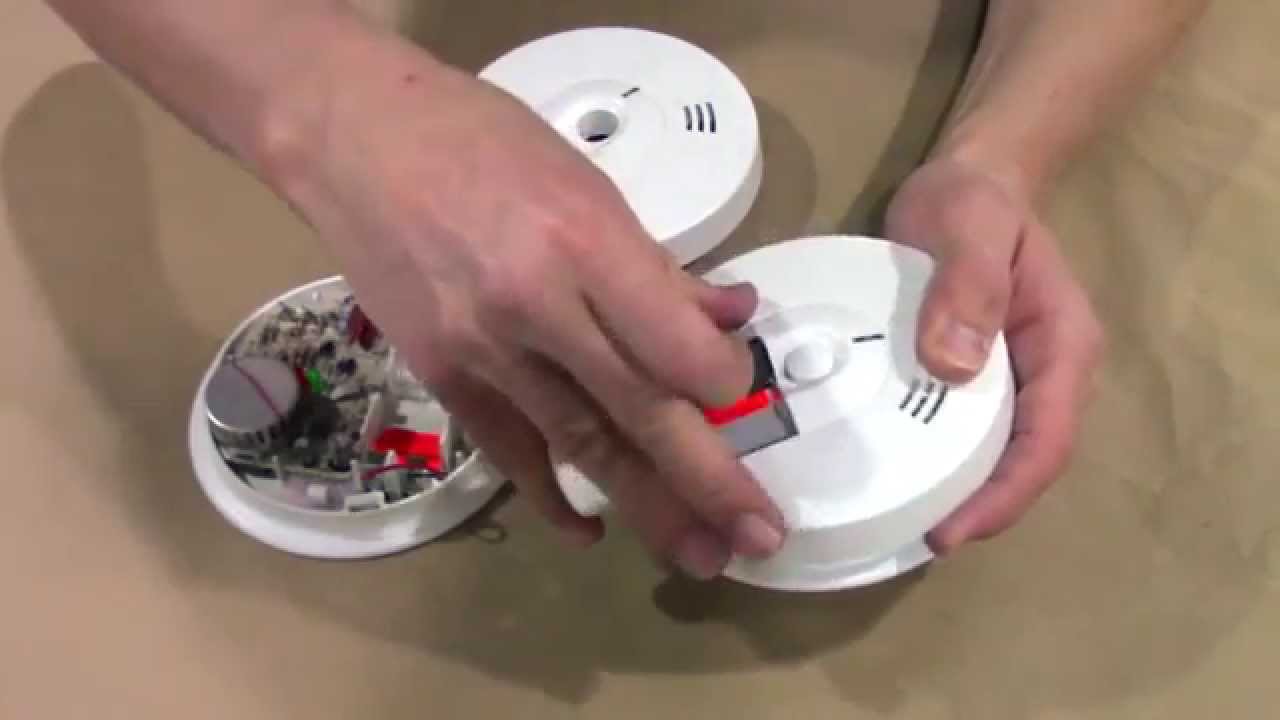
First off, let's revisit that "new" battery. Are you absolutely sure it's new and fully charged? Sometimes, batteries can sit on a shelf for a while, losing a bit of their oomph. Or, in the midnight scramble, maybe it wasn't inserted quite right. It sounds simple, but it's worth a double-check. Ensure the battery is fresh, correctly oriented, and making solid contact.
Must Read
Another surprisingly common culprit is dust and debris. Smoke detectors are incredibly sensitive (which is a good thing!), and a buildup of dust, cobwebs, or even tiny insects can interfere with their internal sensors. Imagine trying to see through a foggy window – that's what a dusty sensor experiences.
Practical Tip: Carefully vacuum around and inside the smoke detector (if you can safely open it) or use a can of compressed air to clear out any gunk. Think of it as giving your little guardian a spa day!

When It's Time to Say Goodbye: The 10-Year Chirp
Here's the big one, and often the most overlooked reason for a persistent beep after a battery change: your smoke detector might have reached its expiration date. Yes, these devices have a shelf life, much like your favorite artisanal cheese or that carton of milk you keep forgetting about. Most manufacturers recommend replacing smoke alarms every 10 years, regardless of how new their batteries feel.
Why 10 years? Over time, the internal components, especially the sensing chambers, can degrade or become less sensitive. That "end-of-life" chirp is its final, polite (or not-so-polite, depending on the hour) request for retirement. It's a built-in safety feature, ensuring the device remains effective. To check, look for a manufacture date or an "install by" date on the back of the unit. You might need a flashlight and a bit of neck-craning, but it’s worth it. It’s like a tiny, tech version of planned obsolescence, but for your safety!

If your unit is hardwired into your home's electrical system, it still has a backup battery that can chirp when it's low. But sometimes, a brief power interruption or surge can cause a hardwired unit to act up, even with a fresh backup battery. Try resetting your home's circuit breaker that controls the smoke detectors. Give it a minute, then flip it back on. This can sometimes clear a lingering error code.
And what if you have multiple detectors, all interconnected? Sometimes, only one unit is chirping, but because they communicate, the others might join in the chorus of annoyance. The trick here is to find the specific unit that’s the source of the problem. It's usually the loudest or the one whose chirp frequency seems to lead the pack. Once you identify the culprit, the solutions above (battery, dust, age) still apply.
Beyond the Beep: Proactive Safety
While the incessant beeping can feel like a personal attack, it's a valuable reminder of the silent heroes protecting our homes. Here are a few proactive steps to ensure peace of mind:
- Test Monthly: Push that test button! It's a quick and easy way to check if your alarm is functioning.
- Change Batteries Annually: A great tradition is to swap out batteries when you change your clocks for daylight saving time.
- Know Your Dates: Jot down the installation date on the detector itself or on your calendar. Set a reminder for replacement in 10 years.
Did you know there are different types of smoke detectors? Ionization alarms are generally better at detecting fast-flaming fires, while photoelectric alarms are more sensitive to smoldering fires. Many modern homes use dual-sensor alarms, combining both technologies. Also, don't forget the importance of carbon monoxide detectors, which alert you to the "silent killer" gas. They're often combined with smoke detectors, offering dual protection.
The Takeaway: Peace of Mind
That annoying chirp, while momentarily frustrating, is ultimately a signal for safety. It's your home's way of reminding you to pay attention, to check in, and to ensure its guardians are up to snuff. Resolving the mystery of the beeping smoke detector isn't just about restoring quiet; it's about maintaining a crucial line of defense for you and your loved ones. So, take a deep breath, follow these tips, and enjoy the blissful peace that comes with knowing your home is safe, silent, and sound.
