
Smoke Detector Carbon Monoxide Sound
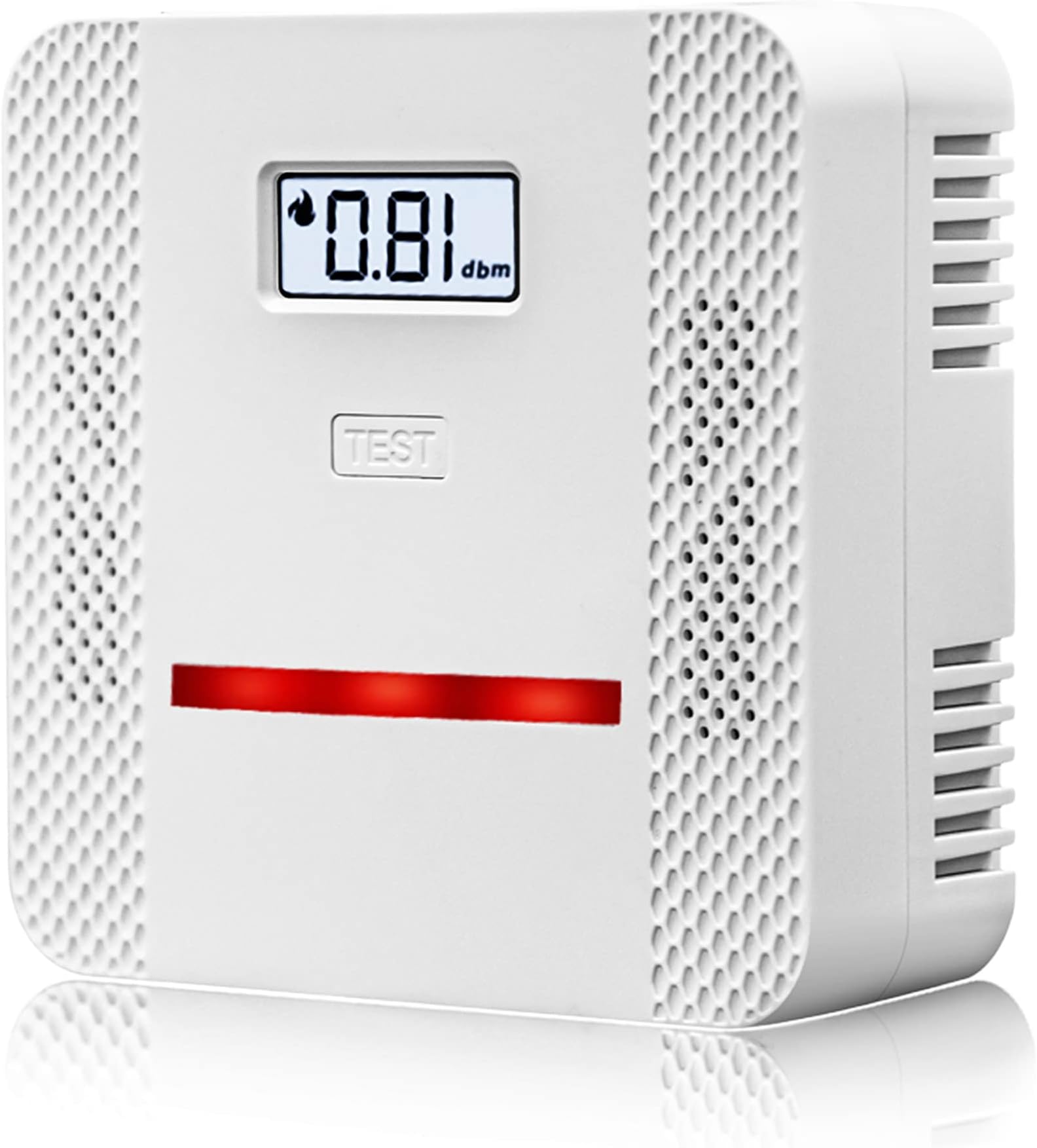
Ever found yourself staring at a beeping smoke detector, heart racing, wondering, "Is that a fire? Is it a low battery? Or something else entirely?" You're not alone! Understanding the symphony of sounds our home safety devices make might not sound like the most exciting topic, but it's incredibly empowering. It's about turning confusion into clarity and potential panic into a clear course of action. Think of it as learning the secret language of your home's protectors – and it's a language everyone should be fluent in.
For beginners, just starting to set up their first home or apartment, knowing the difference between a smoke alarm and a carbon monoxide (CO) alarm is foundational. It’s not just about having the devices; it’s about understanding their crucial warnings. For families, this knowledge is paramount. Protecting your loved ones means having a clear plan when an alarm sounds, and that starts with knowing what the alarm is telling you. Imagine the peace of mind knowing your children also understand what a certain beep means and what steps to take. Even for the more proactive homeowners or DIY enthusiasts, delving into the specifics can help you choose the right devices, understand their maintenance needs, and even integrate them into smart home systems for enhanced safety.
Let's talk about those distinctive sounds. A standard smoke detector typically lets out a very loud, continuous series of three beeps, pause, three beeps, pause, if it detects smoke. That's your cue to get out immediately. If it's just a single, short chirp every minute or so, often accompanied by a flashing light, that's usually a polite (but persistent!) reminder that its battery is low and needs changing. Some units might also have a different chirp pattern to indicate an end-of-life warning, meaning the entire unit needs replacing.
Must Read
Now, for the invisible danger: carbon monoxide. A CO detector will typically emit four loud beeps, pause, four beeps, pause, when it detects dangerous levels of carbon monoxide. This is another urgent warning to evacuate and call for help. Just like smoke detectors, CO alarms will also chirp for a low battery or an end-of-life warning, so knowing the pattern is key. Many modern homes now have combination smoke and CO detectors, which use these distinct patterns to differentiate the threat, often even announcing "Fire!" or "Carbon Monoxide!" to leave no room for doubt. Smart detectors go a step further, sending alerts to your phone or integrating with voice assistants.

Getting started with this vital knowledge is simple. First, make it a habit to test your alarms monthly using the "test" button – it’s a quick way to hear the full alarm sound and ensure it's working. Second, make sure to change batteries annually, even in hardwired units that often have battery backups. Third, remember that these devices don't last forever; most need to be replaced every 7-10 years. Check the manufacturing date on the back of your unit. Finally, and perhaps most importantly, know your escape plan! Practice what to do if an alarm goes off, whether it's for smoke or CO. Place alarms on every level of your home and inside and outside sleeping areas.
Understanding these everyday sounds isn't just about avoiding a nuisance; it's about equipping yourself with the knowledge to act swiftly and confidently in a critical moment. It provides immeasurable peace of mind, knowing that you and your loved ones are prepared. So, take a moment to learn your alarms' language – it's a small investment for a lifetime of safety.


