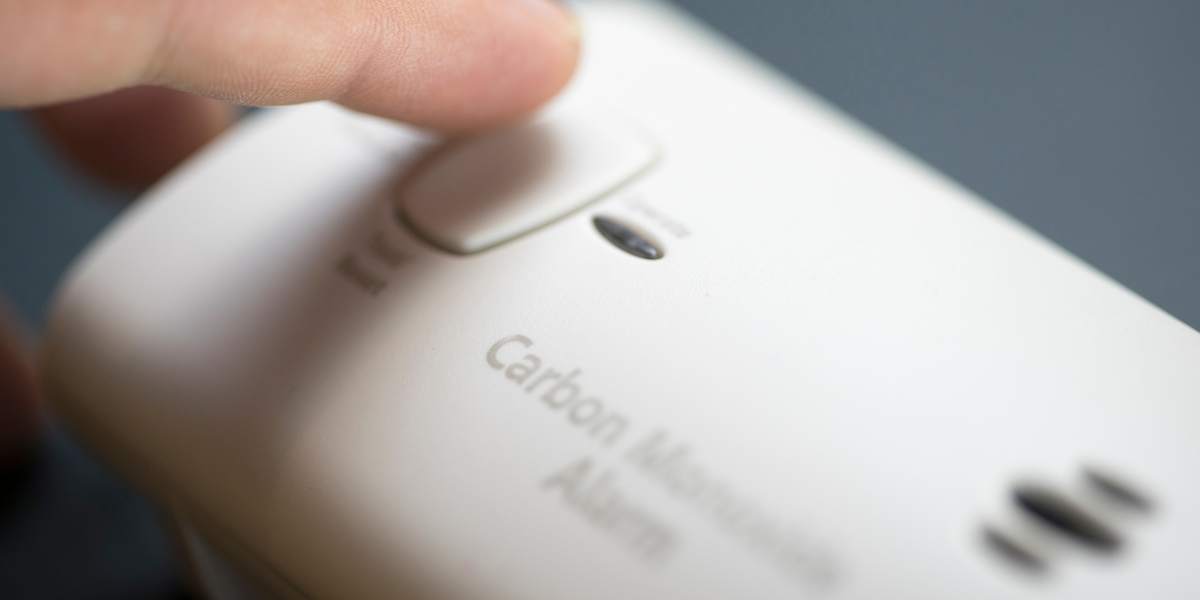
Smoke And Carbon Monoxide Detector Placement
Hey there, safety superstar! Let's talk about something super important, but often overlooked: where to stick those little lifesavers, your smoke and carbon monoxide detectors. Now, I know what you're thinking – "Ugh, safety stuff, boring!" But trust me, we're going to make this as fun as possible, like a scavenger hunt for peace of mind. Consider me your friendly neighborhood safety guru, here to guide you with a smile and maybe a bad pun or two. No hard hats required, just a willingness to keep your abode safe and sound!
Why These Little Gadgets Are Your Besties
First off, a quick "why" before we dive into the "where." Smoke detectors are your nosey neighbors, constantly sniffing out the first sign of a fire. And carbon monoxide (CO) detectors? They're like silent superheroes, detecting an invisible, odorless, tasteless gas that's super dangerous – often called the "silent killer." Seriously, CO is the ultimate ninja of hazards, so these detectors are essentially your home's personal bodyguards. You wouldn't send a superhero to fight crime from the coat closet, would you? Exactly! Placement matters!
Smoke Detector Super Spots: Where to Put Your Fire Finders
Alright, let's get down to business. Imagine your house is a cozy castle, and we need to place guards strategically. For smoke detectors, here are the prime locations:
Must Read
- On Every Level: This is non-negotiable, folks! Basements, main floors, upstairs – every single level needs at least one. Don't skip the basement; that's where furnaces often hang out!
- Outside Sleeping Areas: Picture this: you're dreaming of unicorns, a fire starts, and your smoke detector screams to wake you up. So, put one in the hallway outside each sleeping area. This is a biggie!
- Inside Each Bedroom: Want an extra layer of protection? Pop one inside each individual bedroom too. Think of it as a personal alarm clock for emergencies. More is definitely more here!
- Away From the Kitchen: This one's important! While you want them nearby, don't put a smoke detector right next to your kitchen. Unless you enjoy false alarms every time you burn toast (we've all been there!). Aim for about 10-20 feet away from cooking appliances.
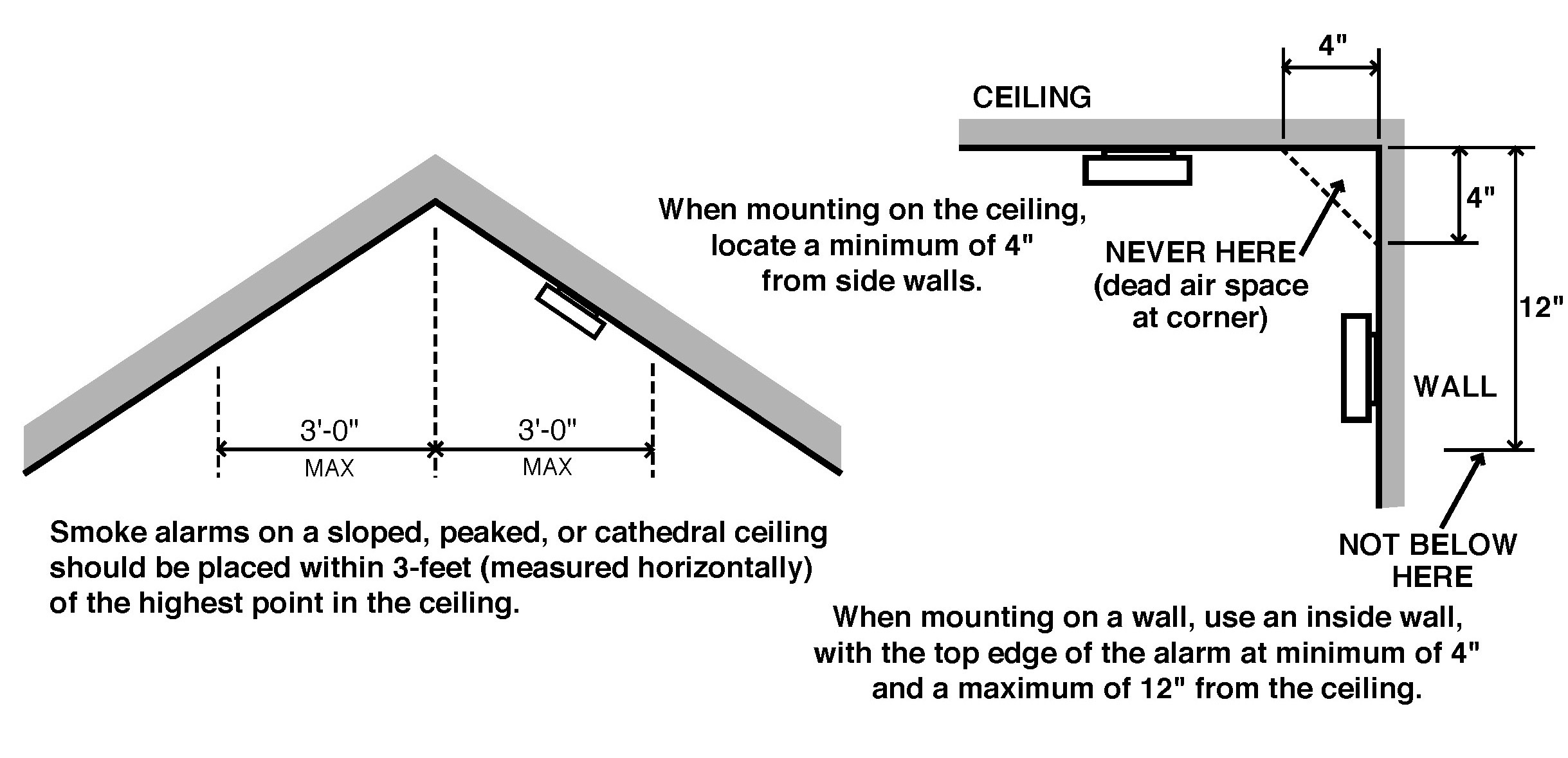
- High Up on Walls or Ceilings: Smoke rises, right? So, place detectors either on the ceiling or high up on a wall (within 12 inches of the ceiling). Think of them like tiny sentinels perched high to see all.
Carbon Monoxide Catcher Corners: Nabbing the Silent Killer
Now for the other unsung hero: the CO detector. These guys are just as vital, especially if you have fuel-burning appliances (furnaces, water heaters, gas fireplaces, etc.).
- On Every Level (Again!): Just like smoke detectors, CO detectors need to be on every single level of your home. Yes, even that creepy basement where spiders live.
- Near Sleeping Areas: This is critical! CO detectors are your wake-up call for an invisible threat, so place them in hallways near bedrooms. You want to be alerted even when you're snoozing soundly.
- Near Fuel-Burning Appliances (But Not TOO Close): It makes sense to put them where CO might originate, right? So, near your furnace, water heater, or gas dryer. But here's the catch: don't put them right on top of the appliance. Keep a little distance – maybe 5-15 feet away. Too close can sometimes lead to nuisance alarms from normal startups.
- Attached Garage Alert: If you have an attached garage, and especially if you warm up your car in there sometimes (even just for a minute!), a CO detector is a must-have in the living space nearest the garage. Exhaust fumes are no joke!
- Eye-Level on Walls: Unlike smoke which rises, CO mixes with the air. So, CO detectors are often best placed at chest height or on outlets closer to the floor. Follow the manufacturer's instructions for the specific unit, as placement can vary.
General Guru Giggles & Good Advice for Both
A few more golden nuggets to ensure these protectors do their best work:

- Avoid "Dead Air" Spaces: Don't tuck them into corners or right at the peak of a vaulted ceiling where air might not circulate well. They need good airflow to detect properly.
- Steer Clear of Vents and Fans: Placing a detector too close to a heating/cooling vent, ceiling fan, or window can interfere with its ability to sense smoke or CO accurately. It's like trying to listen to gossip with a leaf blower going!
- Battery Check-Up! Remember to test your detectors monthly (yes, monthly! It takes like 5 seconds!). And change those batteries at least twice a year. An easy trick? Do it when daylight saving time changes – "spring forward, change batteries," and "fall back, change batteries." Your future self will thank you.
- Don't Forget the Expiry Date: These aren't like fine wine; they don't get better with age. Smoke detectors usually last about 10 years, and CO detectors 5-7 years. Check the manufacturer's date on the back and mark your calendar for their retirement party!
Phew! That wasn't so bad, was it? You're now officially a Detector Placement Pro! Giving a little thought to where these essential gadgets live in your home can make all the difference in an emergency. It’s about creating a safe haven, a cozy cocoon where you and your loved ones can relax, sleep soundly, and make wonderful memories, knowing you’re protected.
So go forth, conquer your detector placement, and enjoy that sweet, sweet peace of mind. Your home (and your lungs!) will thank you for it. Now, go make some toast – safely, of course! You’ve got this!