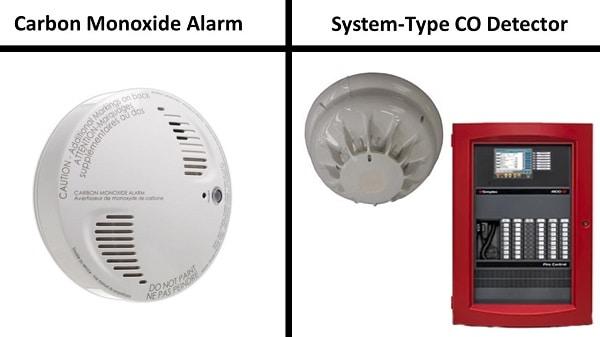
Smoke Alarm Vs Carbon Monoxide Detector
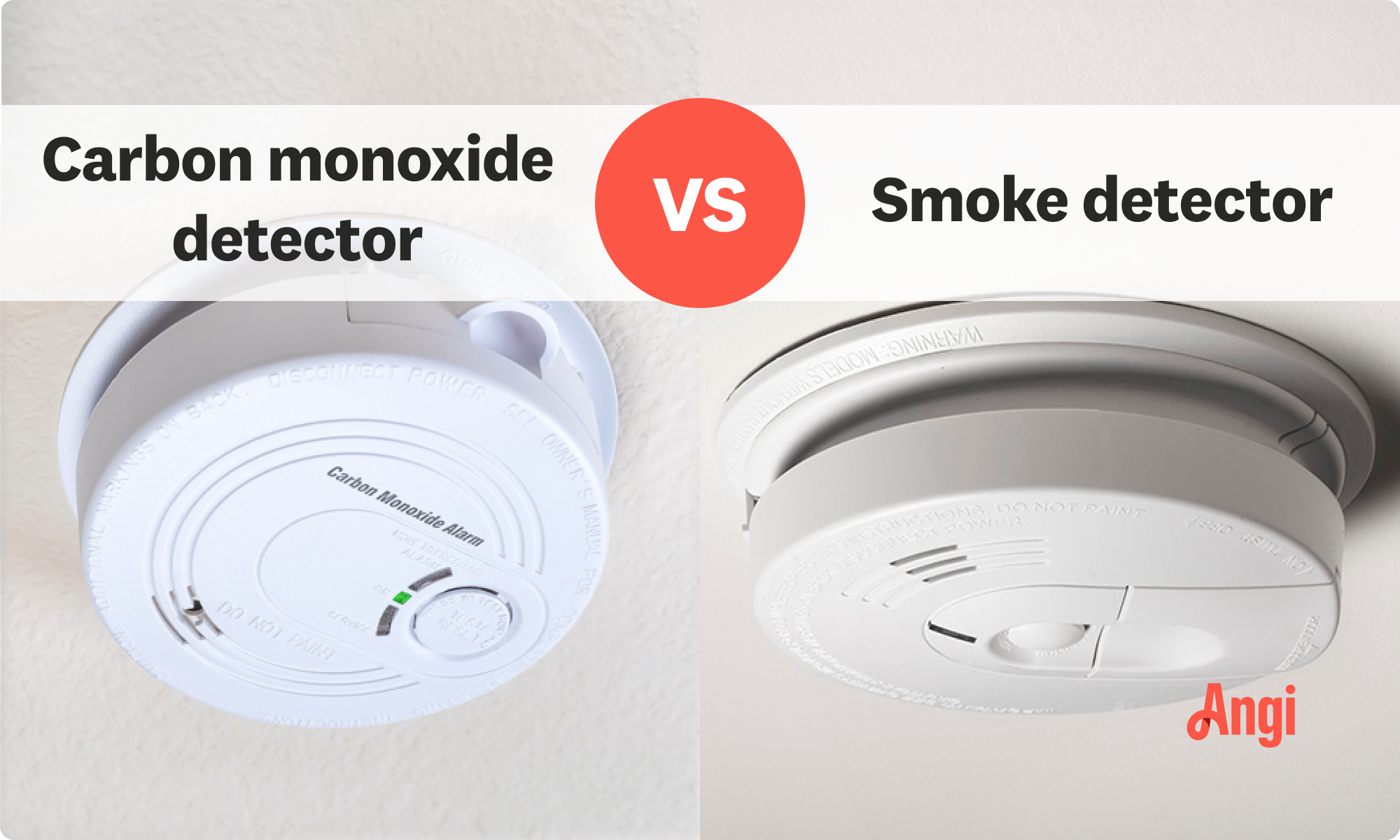
Alright, listen up, because we're about to dive into a topic that, believe it or not, is actually super fun and totally vital. You know those little disk-shaped gadgets on your ceiling? The ones that sometimes shriek at your burnt toast? Yeah, we're talking about smoke alarms and carbon monoxide detectors. And guess what? They're not the same thing! Mind-blowing, right?
Let's clear the smoke (pun intended!) on these household heroes.
The Drama Queen: Your Smoke Alarm
First up, the classic: the smoke alarm. This little superstar is your first line of defense against actual, visible fire. Think of it as your home's personal bodyguard, always on the lookout for danger. Its main job? To smell smoke and then scream bloody murder (or rather, a piercing 85-decibel shriek) to wake you up. Pretty straightforward, right?
Must Read
But here's a quirky tidbit: there are actually two main types of smoke alarms! We've got ionization alarms, which are like tiny, hyperactive particle sniffers. They're super quick to detect fast-flaming fires. Then there are photoelectric alarms, which are more chill. They're great at spotting slow-smoldering fires, like something cooking forgotten on the stove. It's like having two different types of detectives, each with their own specialty!
The best part? When your smoke alarm goes off, you know something's up. Maybe it's a real fire. Or maybe, just maybe, you've once again created a masterpiece of crispy bacon. Either way, it gets your attention! And honestly, who hasn't had a friendly chat with their smoke alarm after a kitchen mishap?

The Silent Ninja: Your Carbon Monoxide Detector
Now, meet the quiet, mysterious cousin: the carbon monoxide (CO) detector. This guy is a whole different beast. While your smoke alarm is screaming about flames, your CO detector is silently sniffing out an invisible, odorless, and tasteless gas. Yeah, CO is the ultimate stealth villain. It's often called the "silent killer" for a reason!
Think about it: you can see smoke, you can smell smoke (usually!). But CO? You literally have no human way to detect it. It's like a ninja gas, creeping into your home from faulty furnaces, leaky water heaters, or even cars left running in an attached garage. And it replaces the oxygen in your blood, which is, well, really bad.
This is where your CO detector swoops in like a superhero. It contains a special electrochemical sensor that literally "smells" this invisible gas, long before it can cause harm. It’s like having a superhero dog with a super-sniffing nose, but without the slobber. When it senses danger, it lets out its own distinct alarm, often different from a smoke alarm's, to tell you to get out!
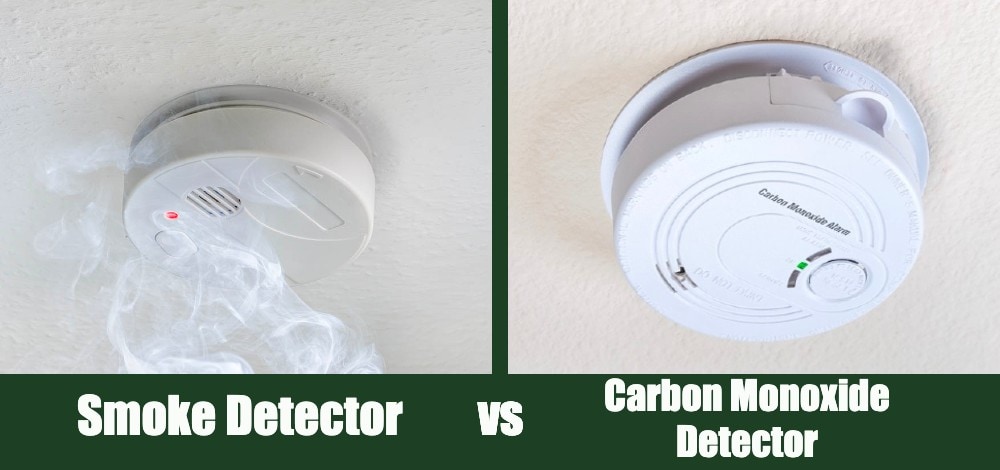
Why They're Different (And Both So Cool!)
So, to recap: your smoke alarm protects you from fire's visible signs – the smoke. Your carbon monoxide detector protects you from an invisible, silent gas. They have completely different jobs, even though they look a bit alike and both make loud noises. It’s like Batman and Superman; both heroes, but with different powers and enemies!
And here's the fun part: you can even get combination units! These are the ultimate multi-taskers, doing both jobs from one device. It's like getting a two-for-one deal on peace of mind. Who doesn't love a good combo?

Where to Put 'Em?
Placement matters! For smoke alarms, think about putting them in every bedroom and on every level of your home. They need to be where you sleep, to wake you up if danger strikes. For CO detectors, near sleeping areas is also smart, but also near any fuel-burning appliances. Think furnace rooms, utility closets with water heaters, or even the garage if it connects to your living space. Basically, wherever CO could sneak in.
Don't Forget the Chirp!
These awesome gadgets need a little love too. Test them monthly! Just push that little button. And when you hear that sad, intermittent chirp? That's not your alarm singing you a lullaby; it's begging for a new battery. Listen to it! Seriously, it's one of the most important chirps you'll ever hear.
So, next time you glance up at that little disk on your ceiling, give it a silent nod of appreciation. Whether it's the dramatic smoke alarm or the stealthy CO detector, these devices are literally keeping you safe. They're not just gadgets; they're tiny, noisy guardians. And that, my friends, is something truly worth chatting about!