Smart Thermostat With Remote Sensors

Ever walked into a room in your house and thought, "Brrr, it's freezing in here!" while the living room feels just right? Or perhaps you've come home to a surprisingly hefty energy bill after forgetting to adjust the thermostat? Those woes can become a distant memory! We're talking about Smart Thermostats with Remote Sensors – a true game-changer for home comfort and efficiency, making daily life smoother and potentially saving you money.
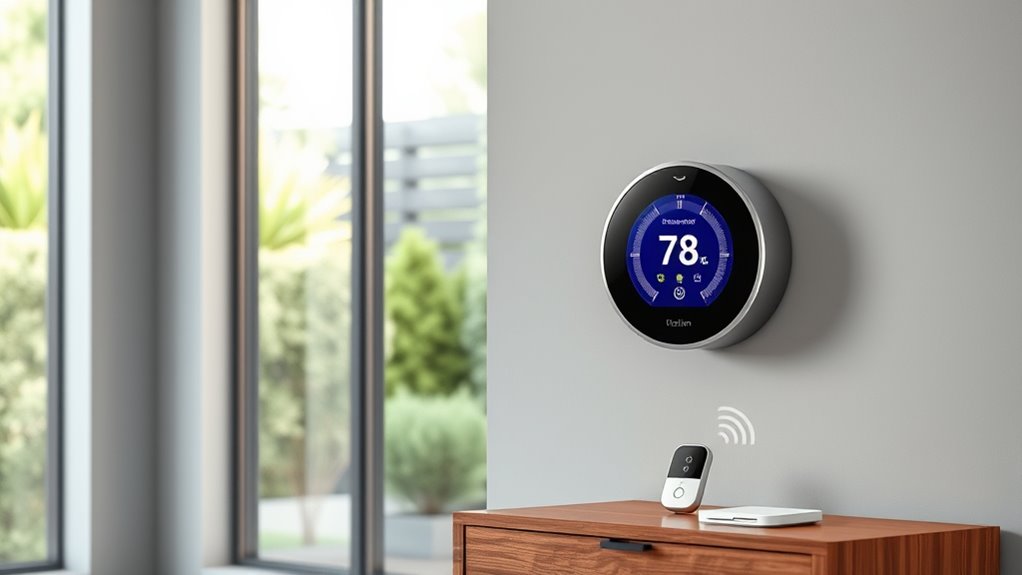
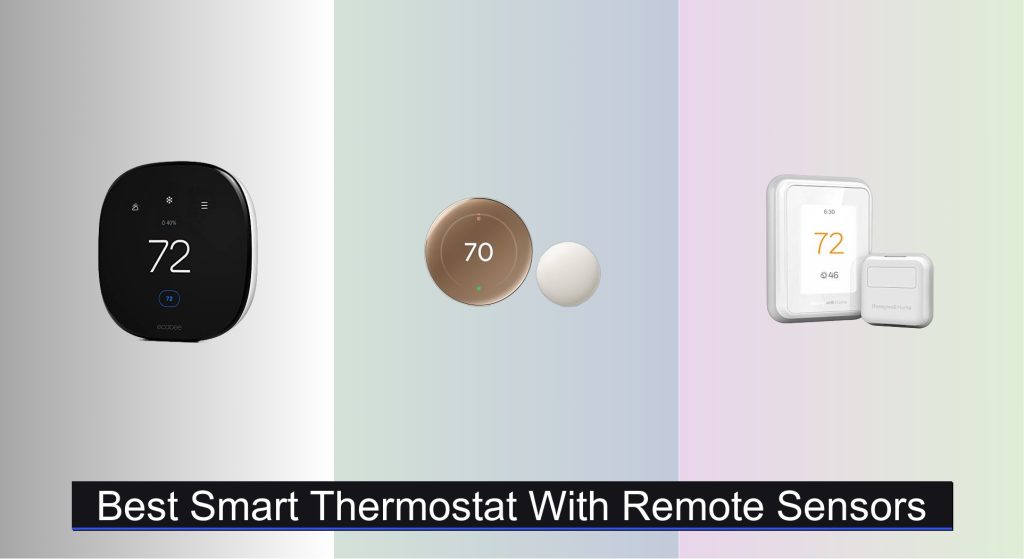
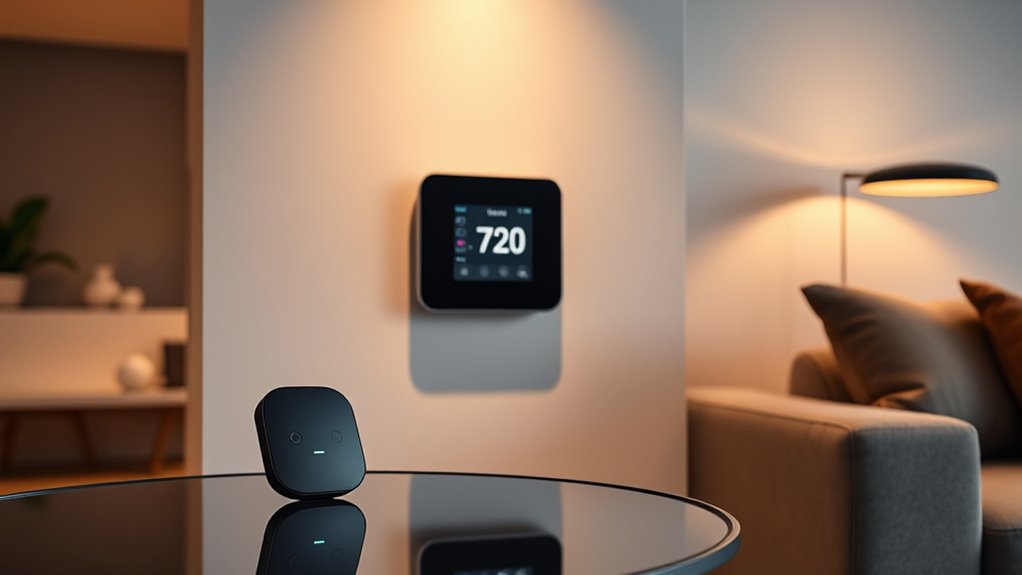
So, what exactly is the big deal? Think of it this way: a traditional thermostat only measures the temperature at its own spot, usually in a hallway. But your home has many rooms, each with unique quirks – a sunny bedroom, a shaded office, a drafty basement. This is where remote sensors come in! These little powerhouses are placed in different rooms, communicating wirelessly with your main smart thermostat. The thermostat then gets a much more accurate picture of your home's overall temperature, or can focus on the rooms you're actually using. This means consistent comfort throughout your house, not just where the thermostat happens to be.
This tech is fantastic for everyone. For beginners, it's an easy way to dip your toes into smart home living; many systems are incredibly intuitive to set up and control via a smartphone app. You can create simple schedules or let the thermostat learn your preferences. For families, it's a blessing. Imagine keeping the nursery perfectly warm without overheating the rest of the house, or ensuring the kids' bedrooms are cozy for bedtime. Plus, the potential for significant energy savings is huge, helping manage those household budgets. And for the more tech-savvy hobbyists, these systems offer deep customization, integration with other smart home devices (like smart lighting or voice assistants), and detailed energy reports to optimize every watt.
Must Read
There are several cool variations and features to look out for. Some sensors can detect occupancy, meaning they'll tell your thermostat which rooms are currently being used, ensuring energy isn't wasted heating or cooling empty spaces. Others might include humidity sensors for better air quality control. You can often prioritize certain sensors at different times – for instance, focusing on the bedroom temperature at night, and the living room during the day. The beauty is in choosing a system that fits your home's unique layout and your family's daily routine.
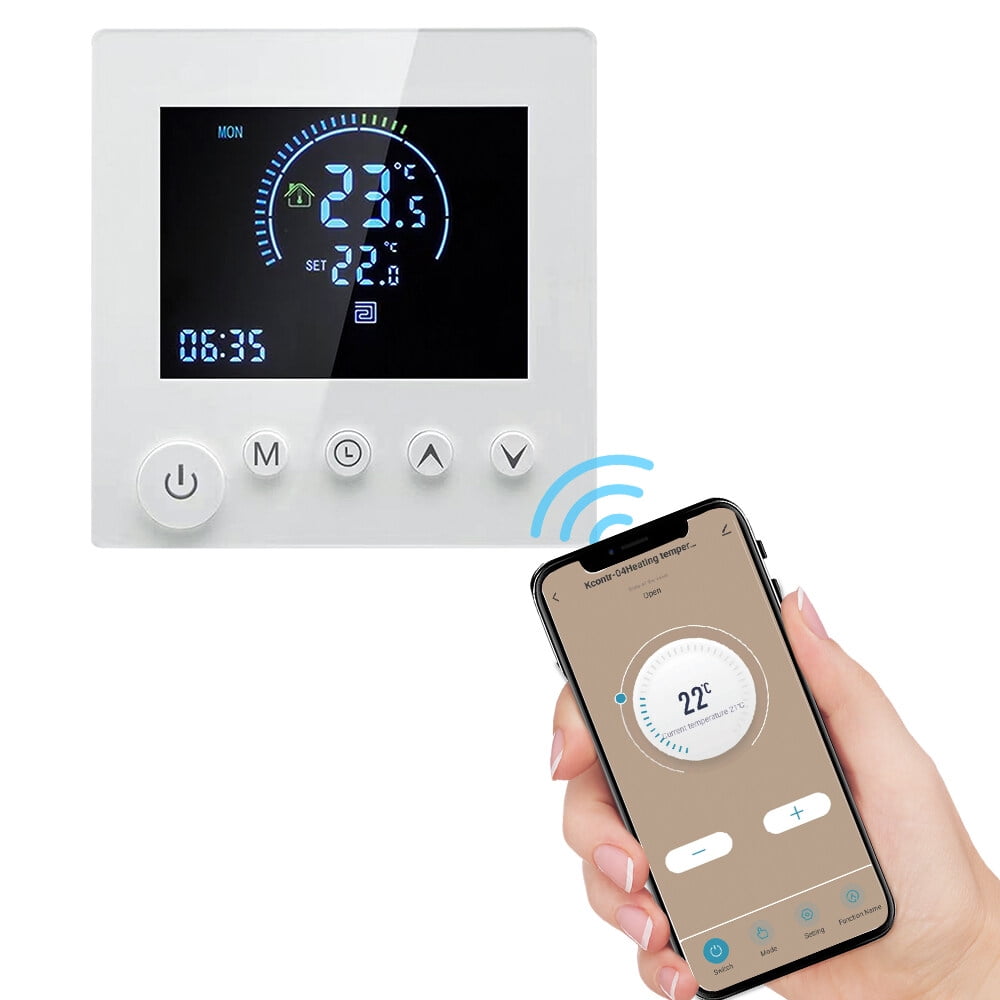
Ready to make your home smarter and comfier? Getting started is easier than you think. First, consider the "problem areas" in your home – where do you often feel too hot or too cold? These are prime spots for remote sensors. Next, check your existing heating and cooling system's compatibility; most modern smart thermostats work with a wide range of HVAC setups. When placing sensors, avoid direct sunlight, drafts, or near heat sources like lamps, as these can skew readings. Start with a couple of key areas, set up a basic schedule through the app, and then gradually explore more advanced features like geofencing (which adjusts temperature based on your phone's location). Don't be afraid to experiment to find what works best for you!
Ultimately, a smart thermostat with remote sensors isn't just about fancy technology; it's about creating a more comfortable, efficient, and enjoyable living space. It’s the feeling of walking into a home that always feels just right, the satisfaction of seeing lower energy bills, and the peace of mind knowing your home is operating smartly, even when you're not there. Embrace this future of home comfort – you might just wonder how you ever lived without it!