Sleep Apnea Mask For Side Sleepers
Let's talk about sleep! Specifically, sleep apnea, and even more specifically, how to conquer it if you're a side sleeper. Now, I know what you're thinking: sleep apnea masks? Not exactly the most glamorous topic. But trust me, finding the right mask – especially when you prefer sleeping on your side – can be a game-changer. It's about waking up feeling refreshed, energized, and ready to tackle the day, instead of feeling like you wrestled a bear all night. Who wouldn't want that?
For those new to the world of sleep apnea, the whole thing can seem a bit daunting. Sleep apnea means you briefly stop breathing multiple times during the night. A CPAP (Continuous Positive Airway Pressure) machine and mask deliver a steady stream of air to keep your airways open. The benefit? Better sleep, improved concentration, reduced risk of heart problems, and just generally feeling amazing. For families, it means a loved one is healthier and more alert. No more snoring that rattles the windows, either! And even if you're a hobbyist who needs peak performance, proper sleep is crucial for focus and reaction time. Think clearer thinking for your chess games, steadier hands for crafting, or quicker reflexes on the pickleball court!
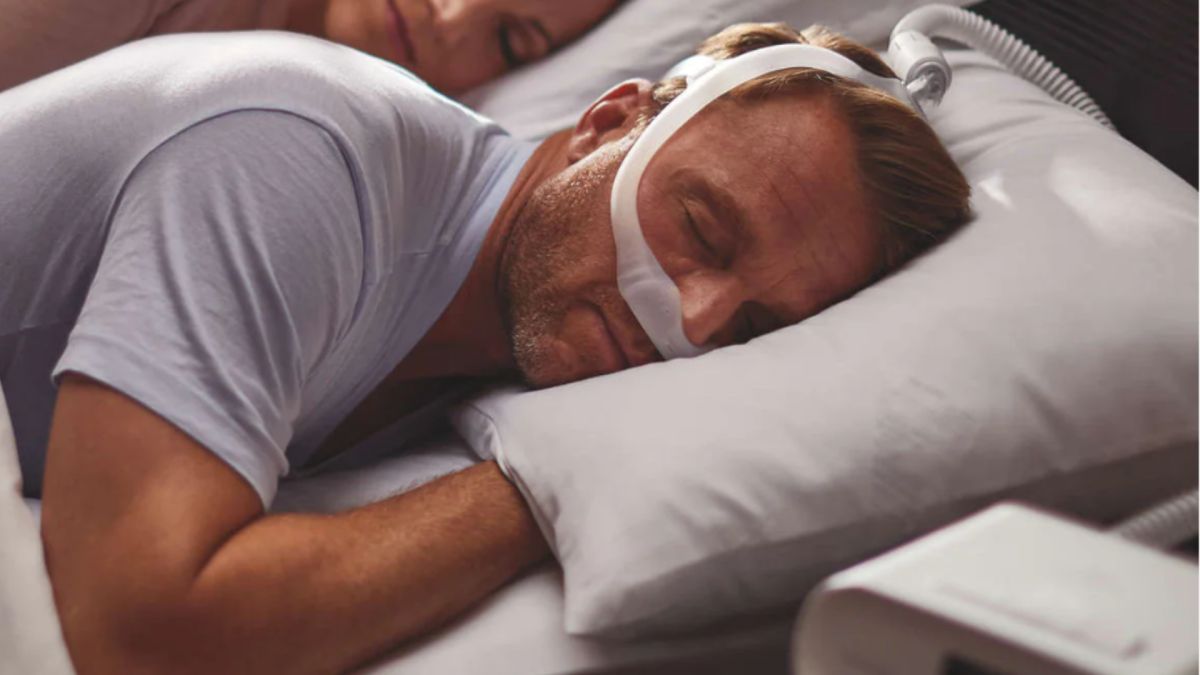
Now, back to side sleeping. The challenge is finding a mask that stays put and doesn't leak when you're not lying flat on your back. Luckily, there are several variations designed specifically for side sleepers:
Must Read
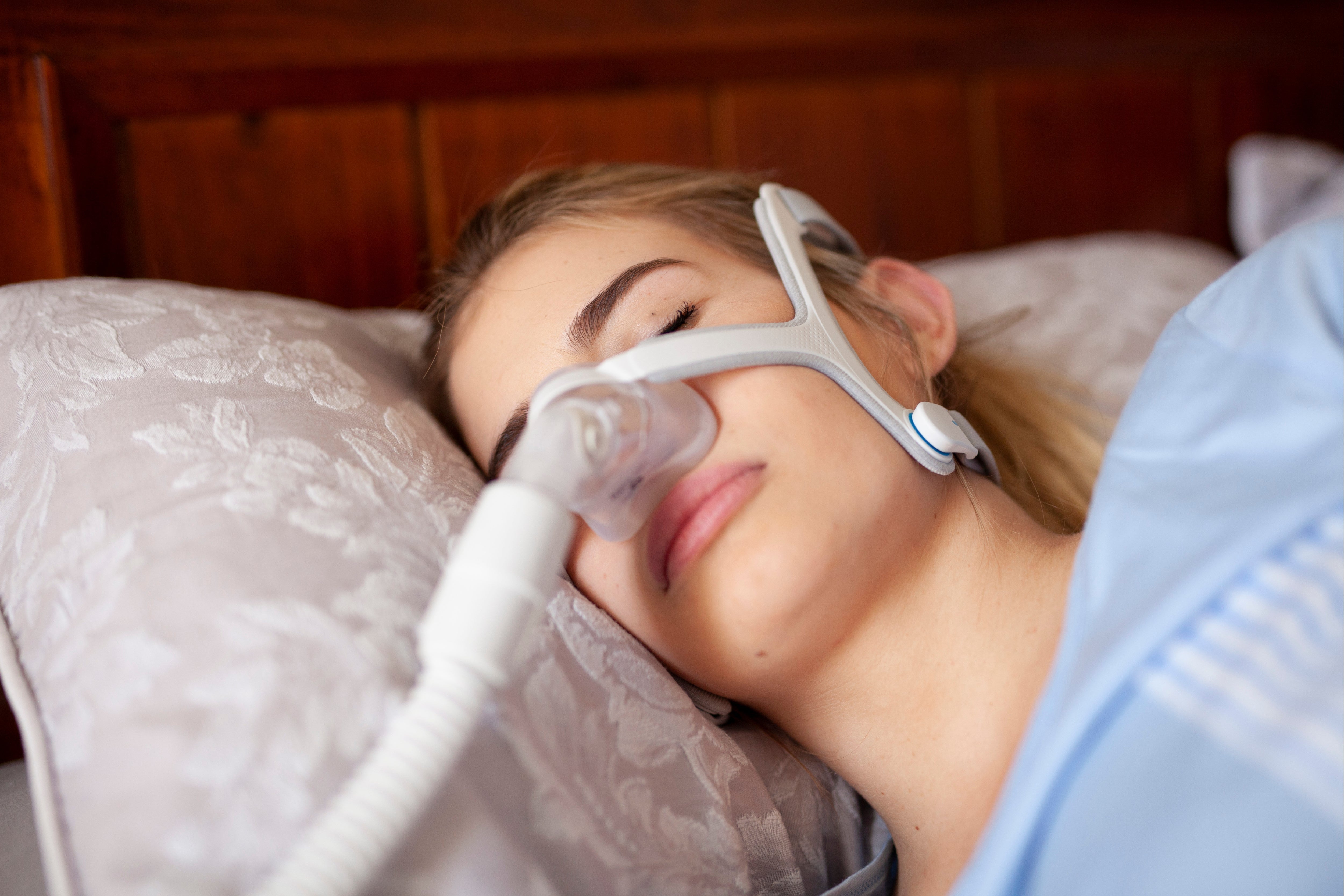
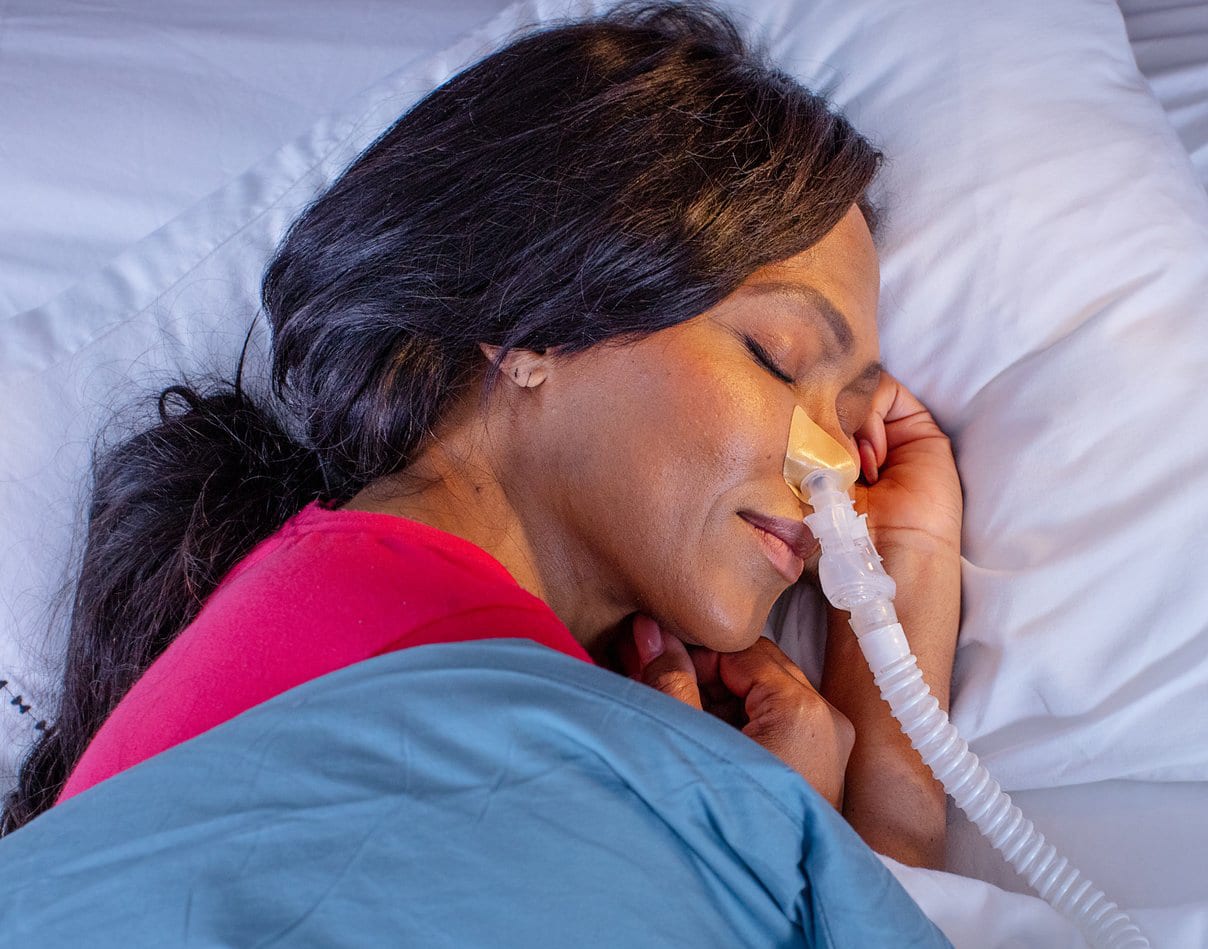
- Nasal Pillow Masks: These sit comfortably under your nose with prongs that gently insert into your nostrils. They're lightweight and minimize contact with your face, making them a great option for side sleepers.
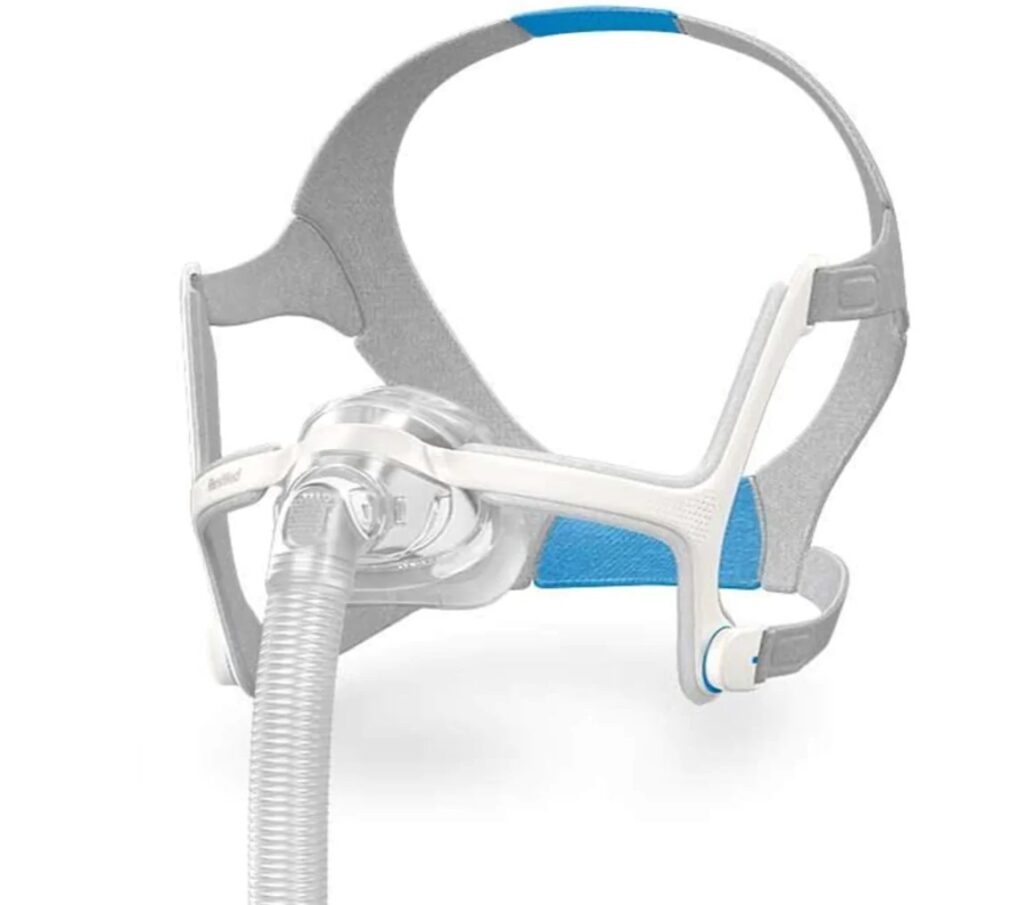
- Nasal Masks: These cover your entire nose but are often smaller and lighter than full face masks. Look for models with flexible tubing connections that allow for easy movement.
- Hybrid Masks: These combine the features of nasal pillow and nasal masks, offering a more secure seal with less facial coverage than a full face mask.
- Full Face Masks (with caveats): While generally not ideal for side sleepers, some newer full face masks are designed with flexible frames and cushion technology that can accommodate side sleeping positions.
Examples? The ResMed AirFit P10 is a popular nasal pillow mask known for its lightweight design and quiet operation. The Philips DreamWear Nasal Mask features a unique frame that directs airflow through the mask's frame, minimizing pressure points. Remember to discuss the best options with your doctor or a sleep specialist.
So, how do you get started?
- Talk to your doctor: A sleep study is essential to diagnose sleep apnea and determine the appropriate pressure settings for your CPAP machine.
- Get fitted properly: A well-fitting mask is crucial for comfort and effectiveness. Work with a respiratory therapist or sleep specialist to find the right size and style.
- Experiment with different positions: Even with a side sleeper mask, you might need to adjust your pillow or sleeping posture slightly.
- Don't give up! It can take time to get used to wearing a mask. Be patient with yourself and keep experimenting until you find a comfortable solution. Consistency is key.
- Clean your mask regularly: This helps prevent skin irritation and ensures optimal performance.
Ultimately, finding the right sleep apnea mask for side sleeping is about improving your quality of life. It's about waking up feeling refreshed, having more energy to enjoy your hobbies, and spending quality time with your family. It might seem like a small thing, but the impact on your overall well-being can be tremendous. So, embrace the journey, experiment with different options, and get ready to sleep – and live – better!