
Size Of Wire For 20 Amp Circuit
Ever stop to think about the invisible network of power humming behind your walls? It's pretty wild, right? We flip a switch, and poof, lights, music, charging phones – it's all just there. But what's really making that magic happen? Beyond the outlets and the plugs, there's a whole world of wires, and picking the right size is actually a pretty big deal.
Today, we're diving into a super common question that might sound a bit technical but is actually quite fascinating: What size wire do you need for a 20-amp circuit? Don't worry, we're keeping it chill. Think of it less like a dry textbook and more like a friendly chat about the unsung heroes of your home's electrical system.
Why Does Wire Size Even Matter?
Okay, so why can't we just use any old wire? Imagine trying to drink a thick milkshake through a tiny coffee stirrer. It's a struggle, right? The milkshake moves super slowly, and you're doing a lot of work for a little reward. Now imagine drinking that same milkshake through a nice, wide straw. Ahhh, much better!
Must Read
Electricity works in a similar way. Wires are like tiny highways for electrons. If the highway is too narrow for all the "traffic" (electricity) trying to get through, things start to get crowded. This crowding creates resistance, and resistance generates heat. And when wires get too hot, that's where things can get a little… well, not chill. We're talking potential damage, melting, and in extreme cases, even fire. Yikes!
Meet the "Amp" and the "Gauge"
Before we reveal the magic wire size, let's quickly get acquainted with our two main characters.
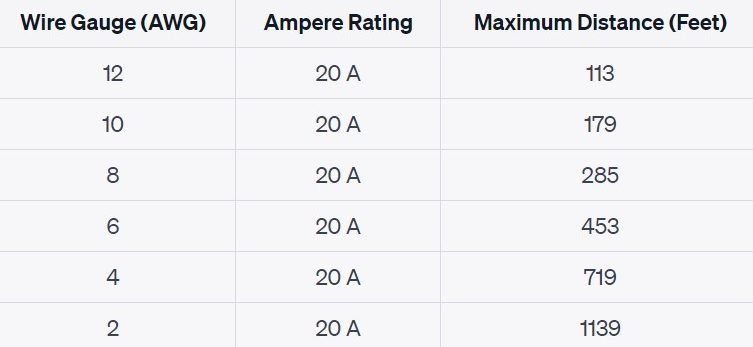
First, there's the ampere (or "amp" for short). Think of amps as the volume or flow rate of electricity. A 20-amp circuit means it's designed to safely handle a certain amount of electrical flow – enough for many common appliances like hair dryers, microwaves, toasters, or even a couple of power tools in your garage. It's a pretty standard workhorse circuit in most homes.
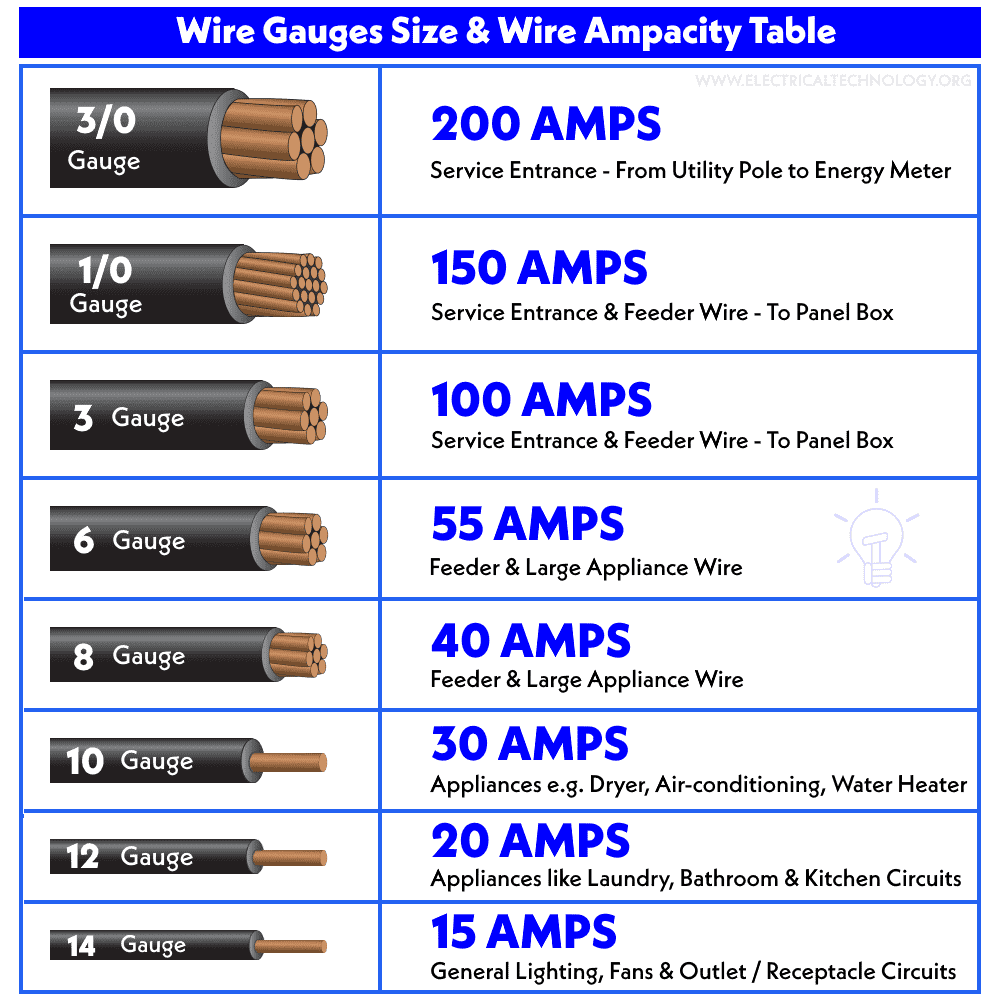
Then there's wire gauge. This is where it gets a little quirky. Wire gauge refers to the thickness of the wire, but here's the fun part: the smaller the number, the thicker the wire. It's like golf scores – a lower score is better, right? So, a 10-gauge wire is actually much thicker than a 14-gauge wire. Confusing? A little, but you'll get the hang of it! Thicker wires can handle more electrical traffic without getting hot.
The Big Reveal: Wire for a 20-Amp Circuit
Alright, drumroll please! For a standard 20-amp circuit in your home, the superhero wire you're almost always going to use is 12-gauge copper wire.
:max_bytes(150000):strip_icc()/electrical-wire-sizes-1152851-1c278609d8364a7e93e277903520836e.png?strip=all)
Yes, 12 AWG copper wire is the go-to champion for 20-amp circuits. It's perfectly sized to handle that flow of electricity without overheating, keeping everything safe and sound.
Why Not Thinner (Like 14-Gauge)?
So, if 12-gauge is good, couldn't we just use 14-gauge wire, which is a bit thinner and often cheaper? This is where understanding the "why" is super important. A 14-gauge wire is perfectly fine for a 15-amp circuit. It's like a two-lane road that works great for lighter traffic.
But try to cram 20 amps of electricity through a 14-gauge wire? That's like forcing five lanes of rush-hour traffic onto that two-lane road. It gets congested, things slow down, and most importantly, it gets hot. Your circuit breaker, which is like the bouncer at the club, is designed to trip and shut off power if it detects too much current for the wire size it's protecting. If you accidentally put a 20-amp breaker on a 14-gauge wire, the wire could overheat dangerously before the breaker even thinks about tripping. That's a huge fire risk, and something to definitely avoid!

What About Thicker (Like 10-Gauge)?
Okay, if thicker is better, why not just use 10-gauge wire for everything? While 10-gauge wire is fantastic for higher-amp circuits (like 30-amp circuits for electric water heaters or ovens), using it where it's not strictly necessary comes with its own considerations.
Firstly, it's more expensive. Secondly, it's a lot stiffer and harder to work with. Bending, routing, and connecting thicker wire requires more effort and space in electrical boxes. So, while it wouldn't be unsafe, it's a bit like driving a monster truck when a regular sedan would do the job just fine – overkill, pricier, and not as nimble.
The Circuit Breaker's Role: Your Safety Net
It's worth giving a quick shout-out to the circuit breaker. This little marvel in your electrical panel is your ultimate safety net. It's carefully matched to the wire size it protects. For a 20-amp circuit using 12-gauge wire, you'll have a 20-amp circuit breaker. If, for some reason, that 20-amp circuit tries to draw, say, 25 amps, the breaker will trip – click! – cutting power instantly. This protects the wire from overheating and keeps your home safe. It's a testament to good electrical design!
Beyond the Basics (Just a Little Peek)
For most home runs, 12-gauge copper wire is perfect for 20 amps. But for those super long runs (like out to a detached garage), electricians also consider something called "voltage drop." This is where the voltage actually dips a bit over really long distances, and sometimes a slightly thicker wire might be chosen to compensate. But for your typical room or kitchen circuit, don't sweat it – 12 AWG is your friend.
So, What's the Takeaway?
Understanding wire size isn't just for electricians; it's a cool insight into how our homes stay safe and powered. The next time you plug in your microwave or notice a circuit breaker tripped, you'll have a better appreciation for the carefully chosen wires working hard behind the scenes.
The bottom line for a 20-amp circuit? Remember 12-gauge copper wire. It's the right choice, the safe choice, and a little piece of electrical wisdom that's actually pretty fascinating once you look past the technical jargon. Stay curious, stay safe, and appreciate those invisible power highways!