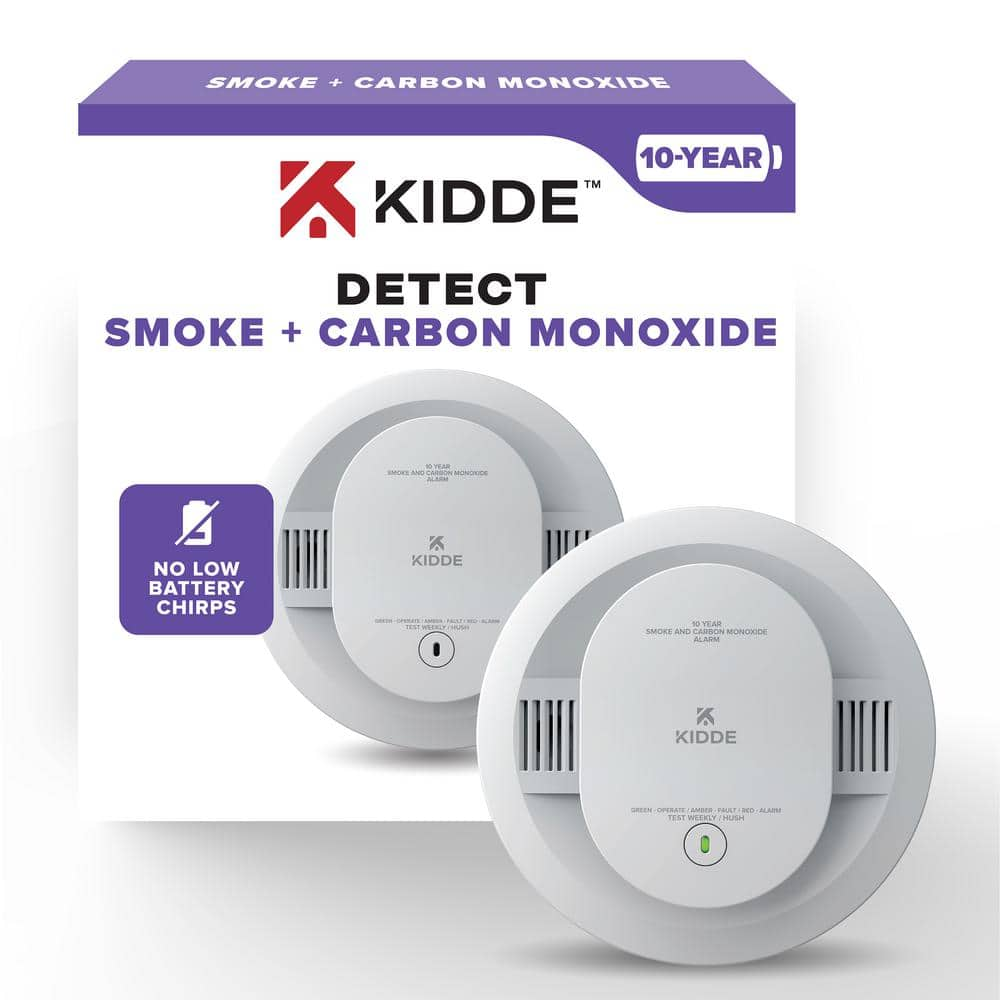
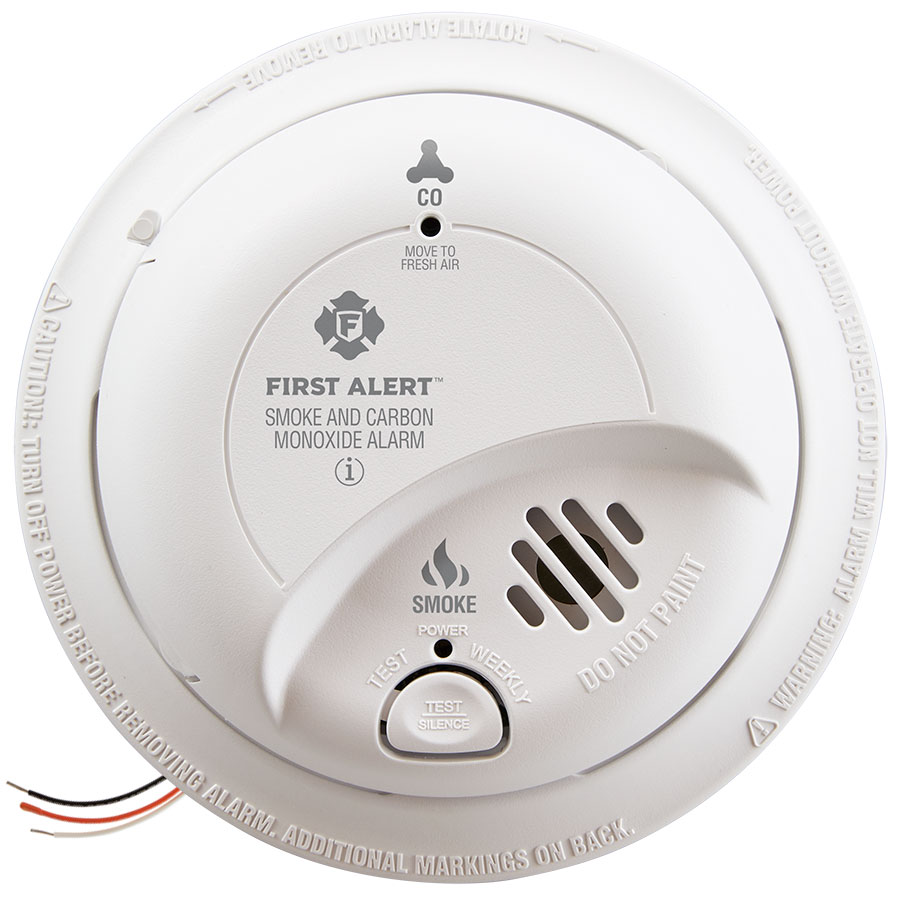
Single Station Smoke And Carbon Monoxide Alarm
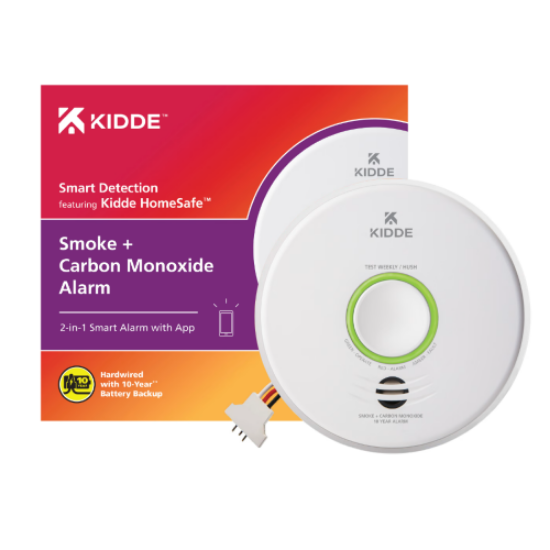
Ever stopped to think about the unsung heroes of your home? Not the coffee maker, as vital as it is, but the little devices quietly standing guard, ready to shout for help when things go wrong. Today, we're casting a curious eye on one such champion: the Single Station Smoke And Carbon Monoxide Alarm. It might sound like a bit of a mouthful, but understanding this unassuming gadget is actually incredibly fascinating and, more importantly, a crucial piece of knowledge for keeping ourselves and our loved ones safe.
So, what exactly is this clever piece of kit for? Simply put, it's a dual-threat detector designed to alert you to two of the most insidious dangers in any household: fire and carbon monoxide (CO). Imagine a little sentry, constantly sniffing the air for microscopic smoke particles that signal a potential blaze, or the odorless, colorless, and highly toxic carbon monoxide gas that can seep silently from faulty appliances. The "single station" part just means it's a self-contained unit – it sounds its own alarm without needing to link up to other detectors in your home. Its primary purpose is to provide an early warning, giving you precious minutes to escape or address a problem before it becomes catastrophic. The benefits are clear: it can literally be a lifesaver, preventing injuries, protecting your property, and offering invaluable peace of mind.
These alarms are truly everywhere once you start looking! In daily life, you'll find them mandated in practically every home, apartment, and dorm room. They're typically installed in hallways outside sleeping areas, inside bedrooms, and on every level of a dwelling, often near heat sources like kitchens or furnaces. Think about that chirping sound when a battery runs low – that's your alarm telling you it needs attention! In educational settings, these alarms are central to fire safety programs. Kids learn what the alarm sounds like and, crucially, what to do when they hear it: "Get out, stay out, and call for help!" It’s a vital lesson in emergency preparedness, teaching about the invisible dangers that can lurk and how technology helps us respond.
Must Read
Ready to get a little more hands-on with this topic? Start by checking the alarms in your own living space! Most alarms have a test button – push it and listen for the loud, unmistakable alert. This simple act confirms the alarm is working and reminds everyone in the house what it sounds like. Make sure you know where yours are placed. Are there alarms on every level, including the basement? Is there one outside each sleeping area? Take a moment to understand the lights on your alarm – a flashing green light usually means it's receiving power, while a steady red light or a rapid flash might indicate a different status or a warning. Remember to replace batteries annually (a good trick is to do it when you change your clocks for daylight saving time) and to clean your alarms gently with a vacuum cleaner nozzle to prevent dust buildup from affecting their sensors. Knowing your alarms, testing them regularly, and understanding their signals is a simple, effective way to turn curiosity into concrete safety action!