
Single Beep On Carbon Monoxide Detector
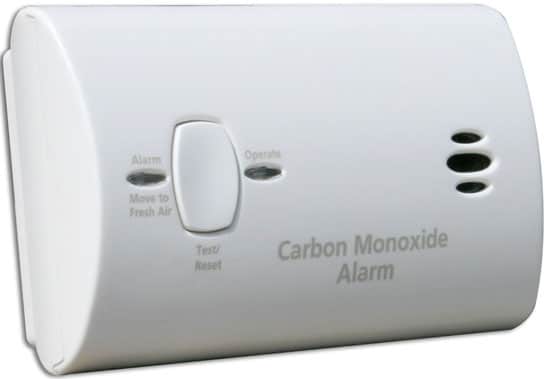
You know the drill. You’re chilling on the couch, maybe binging your favorite show, scrolling through TikTok, or just enjoying a rare moment of peace. Suddenly, a little beep. Not the frantic, blaring siren that makes your heart leap into your throat, but a quiet, almost apologetic beep. Your carbon monoxide detector. What gives?
Before you jump into a full-blown panic or, conversely, decide to just live with the occasional chirp, let's decode that single sound. Because, spoiler alert, it’s usually not a crisis. Think of it as your detector giving you a gentle nudge, a little memo rather than a full-blown emergency alert.
Decoding the "Single Beep" Mystery
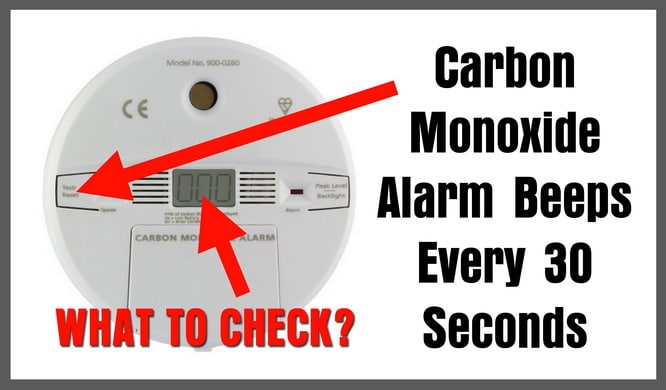
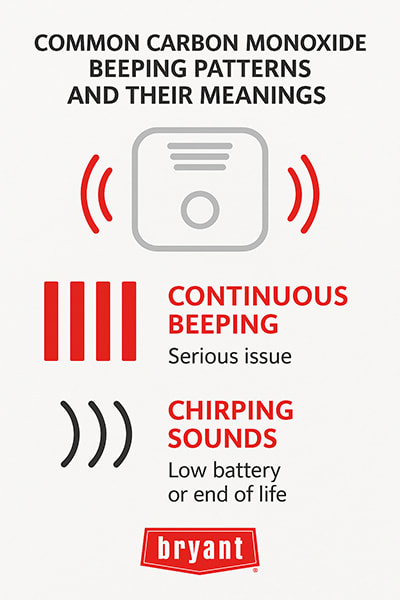
Unlike the loud, continuous, and highly urgent alarm sound (which usually means "GET OUT NOW!"), a single beep, often occurring every 30 to 60 seconds, is typically a sign that your detector needs a little TLC. It’s essentially saying, "Hey, something's up, but it's not CO!"
Must Read
The most common culprit? A low battery. Just like your phone hitting 10% and giving you that warning, your CO detector is letting you know it's running on fumes. This is the simplest fix and, honestly, the most likely scenario.
Another major reason is that your detector has reached its end-of-life. These clever gadgets aren’t designed to last forever. Most carbon monoxide detectors have a lifespan of about 5-7 years. After this time, their internal sensors can become less reliable, and they'll start beeping to let you know it's time for retirement. Think of it as a well-deserved golden handshake for a diligent little guardian.
Your Action Plan: What to Do
So, you’ve heard the beep. Don't just silence it and forget it! Here’s your step-by-step, no-sweat guide:
- Check the Battery: This is step one for a reason. Most detectors use standard AA or 9V batteries. Grab a fresh set, pop 'em in, and see if the beeping stops. Easy peasy.
- Find the Expiry Date: Look on the back or side of the unit. There should be a "replace by" or "install by" date. If it’s past its prime, it's time to replace the whole unit.
- Test It: Many detectors have a "test" button. Give it a push. This confirms the alarm function is working, which is good for peace of mind.
- Give it a Dust-Off: Sometimes, dust or debris can interfere with the sensor. A quick vacuum or wipe-down can work wonders. Just like how your car sometimes just needs a wash to "feel" better.
If you've tried all of the above and the single beep persists, or if you simply can't figure it out, it might be time to replace the unit entirely. When it comes to something as important as carbon monoxide detection, it's always better to be safe than sorry.
Why CO Detectors Are Our Unsung Heroes
We often joke about home maintenance being a chore, but CO detectors are truly the silent guardians of our homes. Carbon monoxide, often called "the silent killer," is an invisible, odorless, and tasteless gas. It's produced by the incomplete burning of various fuels – think gas furnaces, water heaters, cars, and even fireplaces. Without a detector, you wouldn’t know it was there until it was too late.
Did you know? CO poisoning symptoms often mimic the flu – headaches, nausea, dizziness. This makes detection even harder, which is why that little device on your wall or ceiling is so vital. It’s a low-tech superhero keeping tabs on something extremely dangerous.
Placing them strategically is key too: ideally one on each level of your home, and near sleeping areas. This isn’t just good advice; in many places, it’s code.

Beyond the Beep: A Little Life Reflection
That single beep, while a minor annoyance, is actually a beautiful reminder. It’s a tiny prompt to pay attention to the small things in our lives – the things that, when ignored, can lead to bigger problems. It’s about being proactive, not reactive.
Whether it's replacing a battery in your CO detector, checking the air in your tires, or even just taking five minutes to declutter that one messy drawer, these little acts of maintenance contribute to a smoother, safer, and ultimately more enjoyable life. So, the next time your CO detector gives a polite little chirp, take a moment. Acknowledge its service, give it the attention it needs, and then get back to that binge-watching, knowing you’re safe and sound. Cheers to the little things!
