
Should You Close Ac Vents In Unused Rooms

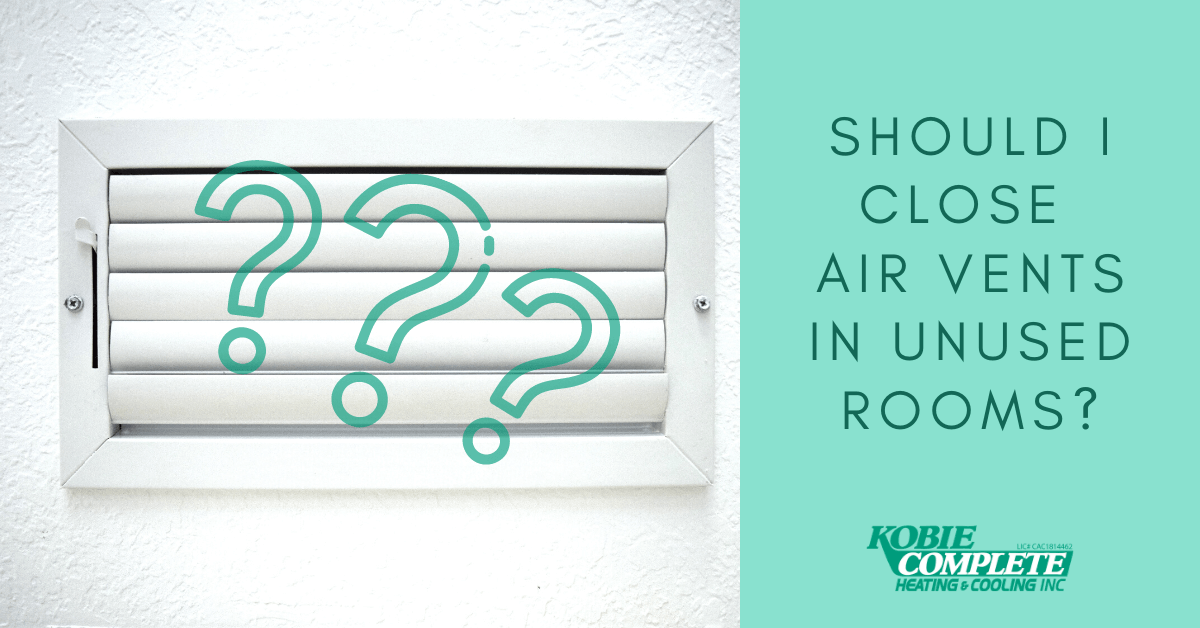
Okay, picture this: It's a sweltering summer day, the AC is blasting, and you're doing your best impression of a human ice cube. You walk past that guest room that hasn't seen a guest since... well, let's not get into specifics. The vent in there is just merrily chugging along, cooling an empty space. Your brain, being the logical, penny-pinching marvel it is, immediately thinks, "Aha! I'll just close that vent. Save some energy! Save some cash! Genius!"
Sound familiar? You've probably done it, or at least thought about it. Most of us have! It feels like such a no-brainer, right? Why cool air that no one's breathing?
But here's where my friendly, curious, and sometimes-ironic blog post comes in. Because while that instinct is totally understandable, and honestly, quite admirable in its intent to be energy efficient, it might actually be doing more harm than good to your precious home comfort system. Yeah, I know. Mind blown, right?
Must Read
The Great Vent Debate: Why Your Intuition Might Be Playing Tricks
Let's dive into the fascinating, often misunderstood world of your HVAC system. Think of your air conditioner not just as a glorified fan that blows cold air, but as a
When your AC unit kicks on, it pulls air from your home through
The system is designed with a specific amount of airflow in mind. It needs a certain volume of air moving through it to operate efficiently and, more importantly, without putting undue stress on its components. Your ductwork, your blower motor, your evaporator coil – they're all part of this delicate dance.

The Hidden Dangers of Closing Vents (It's Not Just About Airflow!)
So, what happens when you decide to be the hero of energy saving and seal off a vent or two? Well, buckle up, because here's the less-than-glamorous truth:
1. Pressure Buildup: Imagine trying to drink from a straw that's pinched shut. Your HVAC system experiences something similar. When you close a supply vent, the air that was supposed to go into that room suddenly has nowhere to go. This creates
2. Stress on Your Blower Motor: Your blower motor is the workhorse pushing all that air. When it encounters increased resistance from closed vents, it has to work much, much harder to push the same amount of air through the remaining open vents. This extra effort can lead to
3. Duct Leaks Galore: All that extra pressure has to go somewhere. Your ductwork, especially if it's older or not perfectly sealed (and let's be honest, whose is?), might start to develop
4. Frozen Evaporator Coils: This is a biggie! If your system doesn't have enough airflow passing over the evaporator coil (where the magic of cooling happens), the coil can get
5. Uneven Temperatures & Comfort Issues: While you're trying to save energy in one room, you might be creating hot and cold spots throughout your home. The rooms furthest from the thermostat might struggle to get enough cool air, making your thermostat think it needs to run longer and harder, further negating any supposed savings.

So, What's a Savvy Homeowner to Do?
Okay, so closing vents is out. Bummer, I know. But don't despair! There are genuinely effective ways to make your home more energy efficient and comfortable:
Insulation & Air Sealing: This is the unsung hero! Sealing air leaks around windows, doors, and in your attic, and upgrading insulation, means less heat gets in (or out) in the first place. This is where your money makes a real difference.
Zoned Systems: If you're building new or doing a major renovation, a professionally installed zoned HVAC system is designed to allow you to control temperatures in different areas independently. It's the ideal solution, but it's a significant investment.

Should you close air conditioning vents in unused rooms? - YouTube Strategic Fan Use: Ceiling fans don't cool the air, but they create a wind-chill effect that makes you
feel cooler. Run them in occupied rooms to allow you to set your thermostat a few degrees higher.Regular Maintenance: Get your HVAC system serviced annually by a professional. A clean, well-maintained system runs far more efficiently than a neglected one. Think of it like an oil change for your car!
Smart Thermostats: These can help optimize your system's schedule, ensuring you're not cooling an empty house. Some advanced models can even integrate with room sensors.
So, the next time you eyeball that vent in the unused room, remember: your HVAC system is a complex beast. Trying to "hack" it by closing vents often creates more problems than it solves. Instead, focus on the bigger picture – insulation, air sealing, and proper maintenance – to truly save energy and keep your home comfy without stressing your system. Your wallet (and your AC technician) will thank you!