Should Lithium Batteries Be Stored Fully Charged

Hey battery buffs! Ever wonder if your phone's happier chilling at 100% or taking a load off? We're diving deep (but not too deep, promise!) into the world of lithium batteries and the age-old question: should you store them fully charged? Think of it like this: is it better to keep your dog constantly hyped up on caffeine, or let them have a nice, chill nap?
The Battery's Inner Life: A (Very) Quick Tour
First, let's demystify these powerhouses a little. Lithium-ion batteries, the kind powering everything from your smartphone to your electric scooter, are basically tiny chemical reactions humming along, storing and releasing energy. Charging and discharging them is a constant dance of ions moving back and forth. Think of it like a crowded subway car – too many passengers (ions) packed in at either end can cause a bit of stress, right?
The 100% Question: Too Much of a Good Thing?
So, back to the main event: is keeping your lithium battery topped up to 100% all the time a good idea? The short answer is: generally, no. But why? Well, keeping that "subway car" crammed full all the time puts strain on the battery's internal components. This extra strain, over time, can actually degrade the battery, shortening its lifespan. It's like constantly keeping a rubber band stretched – eventually, it'll lose its elasticity, right?
Must Read
Think about it like this: Do you feel great when you're constantly running on empty? Probably not. Similarly, constantly pushing a battery to its absolute limits, whether that's full charge or complete discharge, isn't ideal. Batteries, like us, prefer a comfortable middle ground.
The Sweet Spot: Where Batteries Thrive
So, where's this magical middle ground we're talking about? Experts generally agree that storing lithium-ion batteries at around 40-80% charge is the sweet spot. This reduces the stress on the battery's internal components and can significantly prolong its lifespan. It's like keeping your car's gas tank somewhere in the middle, not bone dry or overflowing.

But what if you're not storing a battery for months, but just using it daily? The same principle applies. While you don't need to obsessively keep your phone between 40-80% every single day, avoiding consistently charging it to 100% and letting it drain completely empty can make a difference in the long run. Think of it as "battery mindfulness." A little awareness goes a long way.
Heat: The Battery's Arch-Enemy
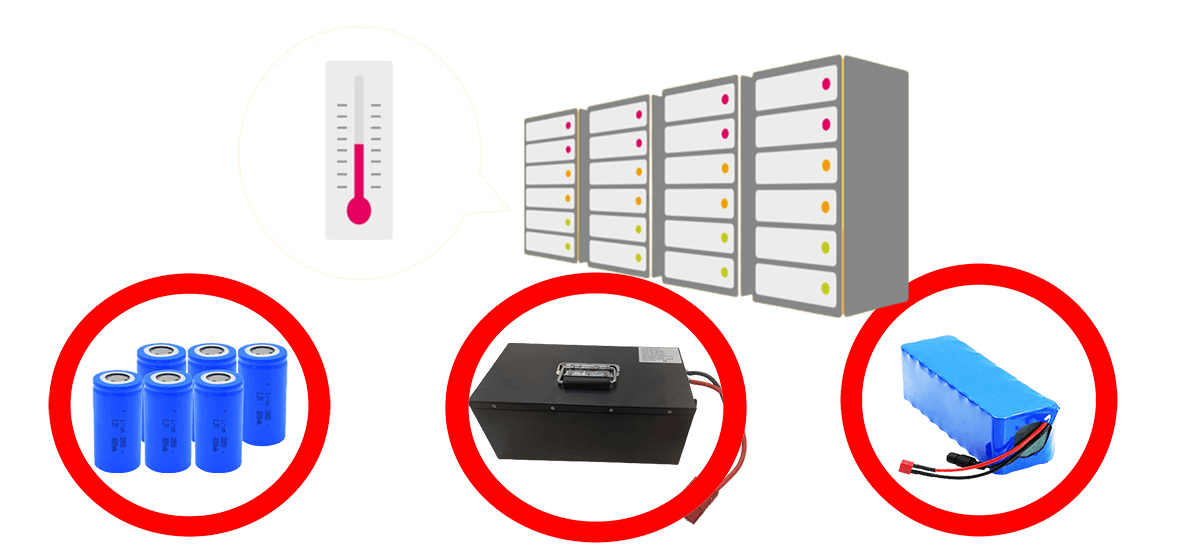
And speaking of happy batteries, there's one other crucial factor: temperature! Heat is a battery's arch-nemesis. Think of it like kryptonite for Superman. Storing a battery in a hot environment, especially when it's fully charged, can accelerate degradation. So, keep your batteries in a cool, dry place whenever possible.
Real-World Scenarios: Let's Get Practical
Okay, so how does this play out in real life? Let's say you have a power bank that you only use occasionally. Instead of keeping it plugged in and fully charged all the time, charge it to around 50-70% and then store it in a cool place. When you need it, give it a top-up. It’s like prepping a snack for later, rather than leaving it baking in the sun.

What about your phone? You don't have to become a battery control freak, but paying attention to your charging habits can help. Maybe don't leave it plugged in all night, every night. Consider using optimized charging features that many smartphones now offer, which learn your charging habits and adjust accordingly.
The Exceptions: When 100% Makes Sense
Now, there are always exceptions to the rule. For example, if you're about to embark on a long trip and need every ounce of power, then by all means, charge your devices to 100%. The small amount of degradation you might experience from that single full charge is worth the extra runtime. It's like packing that extra energy bar for a hike – you might need it!

Also, remember that modern devices have built-in safeguards to prevent overcharging. Once your device reaches 100%, it typically stops drawing power, even if it's still plugged in. However, constantly "trickle charging" to maintain that 100% can still put a slight strain on the battery over time.
The Bottom Line: Be Kind to Your Batteries!
So, there you have it! The world of lithium-ion battery storage isn't as complicated as it might seem. The key takeaway is to be mindful of how you're treating your batteries. Avoid extremes of charge and temperature, and they'll reward you with a longer lifespan. It's all about finding that sweet spot and treating your batteries with a little TLC. They power our lives, after all!
Now go forth and be battery-wise! Any other battery questions burning a hole in your brain? Let me know in the comments!