
Should Fan Switch Be Up Or Down

You know those little, everyday mysteries? Not the big ones, like "What's the meaning of life?" More like, "Which sock goes where?" or "Is ketchup a smoothie?" Today, we’re diving into a truly important, yet often overlooked, household debate. We're talking about the mighty ceiling fan switch.
Which way should it go? Should the fan switch be up? Or should it be down?
Now, I can already hear the collective gasp. "Obviously, up is on!" many of you are thinking. It's the standard, right? Like a light switch. You flip it up, and boom, there's light. It feels intuitive. It feels logical. It feels... well, a bit uninspired, if you ask me.
Must Read
I'm here today to make a bold, perhaps even scandalous, declaration. I believe, with every fiber of my being, that the fan switch should be down.
Yes, you read that correctly. Down.
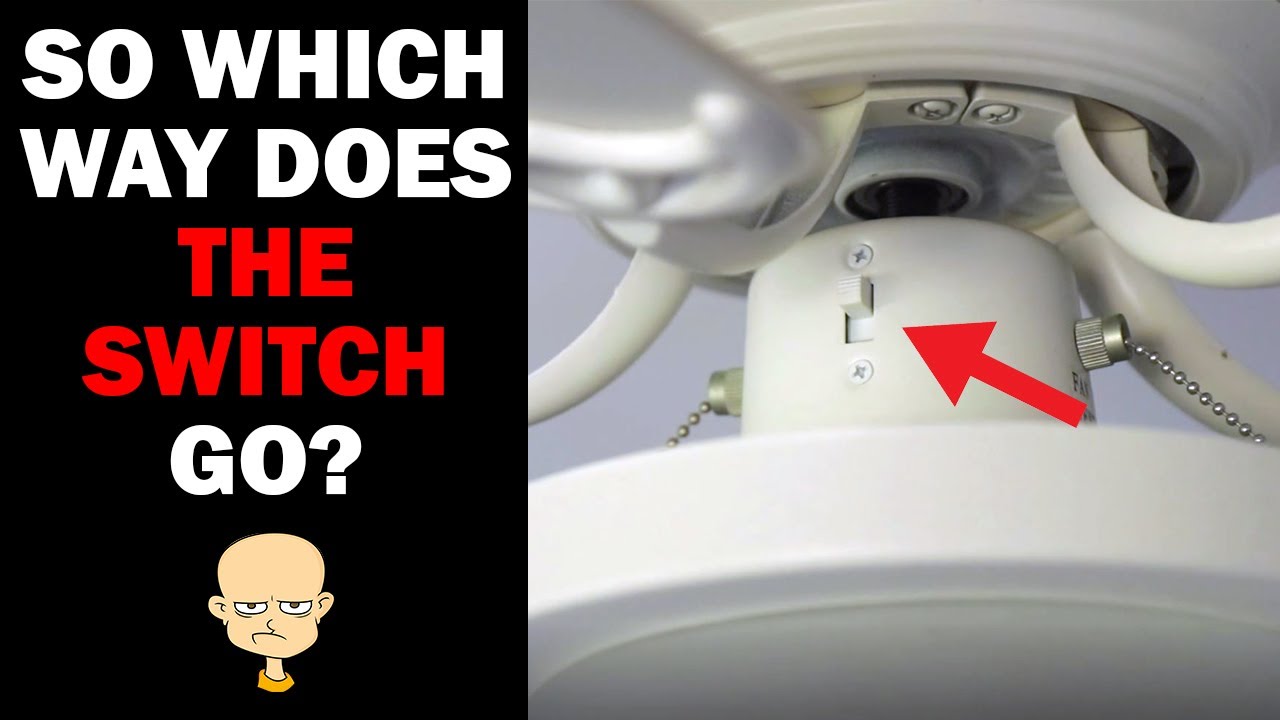
"But why?" you might cry, clutching your imaginary rulebook. "That's just not how things work!" My dear friends, allow me to enlighten you with the undeniable, gravitational truth of the downward flick.
First, let's talk about the sheer satisfaction. When you want that fan to roar to life, to send a refreshing breeze through your room, what feels more decisive? A timid push up, as if you're battling an invisible force? Or a confident, assertive pull down, bringing power into action? For me, it's the latter. It feels like you're truly engaging the mechanism, pulling it into its rightful, active state.
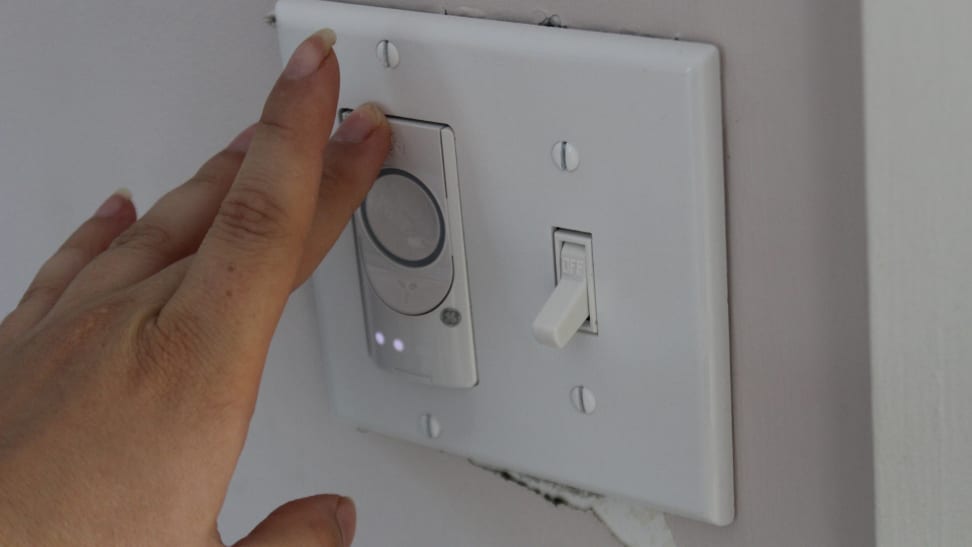
Think about it in other contexts. When you're ready for action, you might "buckle down." When you want to get serious, you "get down to business." There's a certain grounded, purposeful energy to the word down. It’s not about being less; it’s about being more. More active, more engaged, more breezy.
Consider the mighty lever. Historically, levers are pulled down to activate things. To launch. To move. Our fan switch, in its own humble way, is a miniature lever of comfort. Pull it down, and you activate the bliss. It just feels... right. It feels powerful.
And what about gravity? Everything in nature wants to settle down. When that fan is spinning, it's in motion, but it's also about creating a sense of calm, of settled air. Turning it down feels like you're encouraging it to find its stable, breezy rhythm. It's almost a zen-like approach to cooling.
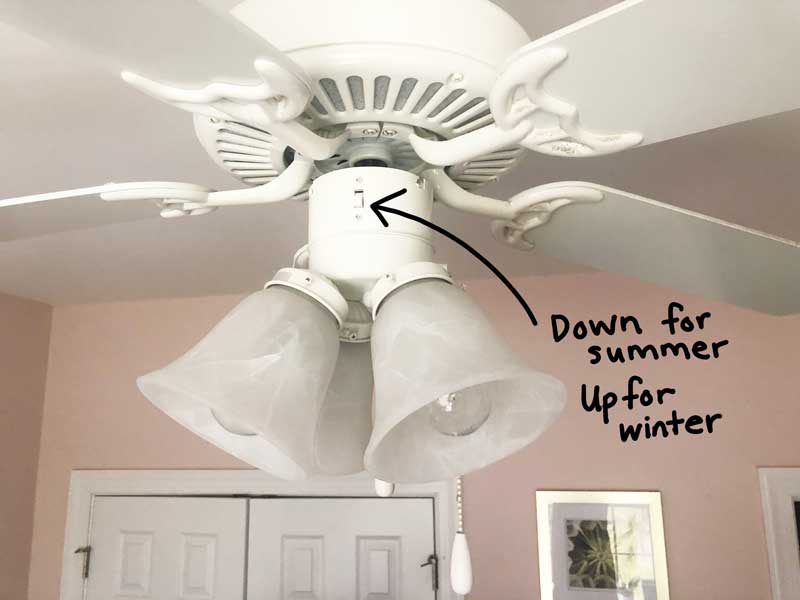
Let's also appreciate the aesthetics. An "up" switch can look a bit precarious, can't it? Like it's straining, or could easily be knocked out of place. A "down" switch, however, looks relaxed. It’s sitting comfortably, doing its job with quiet confidence. It’s saying, "I’m on, and I’m perfectly at ease with my decision."
But perhaps the best part of the down-is-on philosophy is the subtle rebellion it embodies. In a world that constantly tells us "up means on," choosing down is a quiet act of defiance. It’s a playful wink to convention. It's saying, "I appreciate your rules, but I prefer my own, slightly more whimsical, interpretation."

Imagine this scenario: a guest, unfamiliar with your perfectly sensible fan-operating system, enters your room. They feel a bit warm. They spot the switch. Naturally, they'll flick it up, expecting to turn it on. But wait! What happens? If down is on, then up is off. Or maybe, even better, up makes it go faster! A delightful, breezy surprise! It's not malicious; it's just... fun. It creates a moment. A tiny, fan-related chuckle for everyone involved.
"The best things in life are often a little bit against the grain."
So, the next time you're faced with that momentous decision, that fork in the fan-switching road, consider the humble down position. Give it a try. Embrace the gravitational pull. Embrace the slightly unconventional. You might just find that the cool breeze feels even cooler when you've chosen the path less taken.
Go on. Join the down-switch revolution. Your home, your comfort, and your sense of playful rebellion will undoubtedly thank you for it. After all, why be boring when you can be brilliantly contrary?