
Selective Laser Sintering Vs Selective Laser Melting
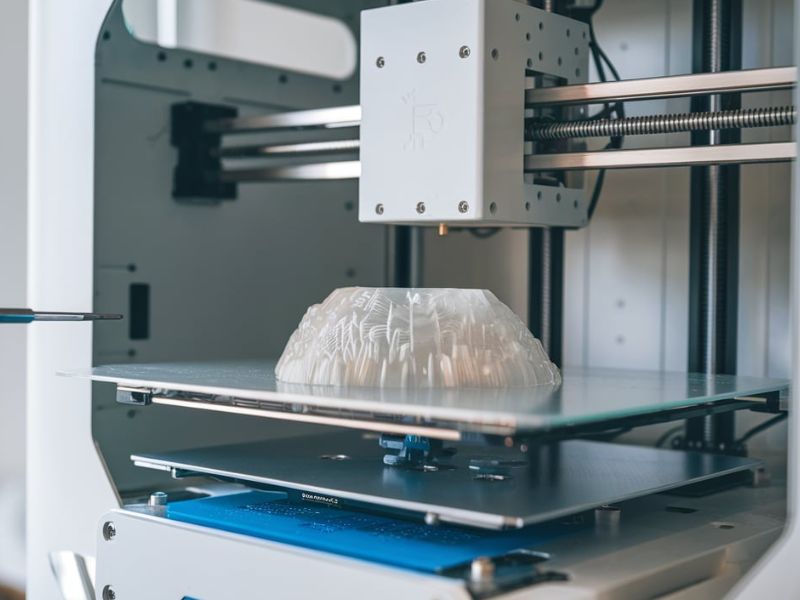
Okay, picture this: I’m at a friend’s maker space, surrounded by the usual chaos – sparks flying, 3D printers humming, and the smell of burnt plastic hanging in the air like a persistent ghost. He's wrestling with this complex gear for some crazy robot project. He’s telling me all about how he’s been trying different 3D printing methods to get the perfect part, and he casually drops the terms "SLS" and "SLM" like everyone knows what he's talking about. I just nodded along, pretending to understand. (Don’t you hate it when that happens?)
Later, when he wasn't looking, I, of course, frantically Googled it! So, for anyone else who's ever felt similarly lost in the 3D printing alphabet soup, let’s break down the difference between Selective Laser Sintering (SLS) and Selective Laser Melting (SLM). They sound incredibly similar, right? But trust me, the devil's in the details, and knowing the difference can save you a lot of headaches…and money.
The Core Difference: Bonding Basics
Both SLS and SLM fall under the umbrella of powder bed fusion. This means they both use a laser to fuse powdered materials together, layer by layer, to create a 3D object. Think of it like building a sandcastle, but instead of water holding the sand together, it's a laser doing all the work.
Must Read
The key distinction lies in how the materials are bonded. With SLS, the laser heats the powder to just below its melting point, causing the particles to sinter – basically, they fuse together at the edges. Imagine tiny, microscopic spot welds holding the powder together. This means the part is porous to some degree.
SLM, on the other hand, cranks up the heat! The laser heats the powder all the way to its melting point, causing it to fully melt and fuse together into a solid, homogenous mass. We're talking complete fusion here, folks. Think of it like welding two pieces of metal together.

Material Matters: What Can You Print?
This difference in bonding has a huge impact on the materials each process can handle. SLS is generally used with plastics (like nylon), ceramics, and sometimes certain metals in composite form. Because it doesn’t require full melting, SLS is more forgiving with materials that have a wider melting temperature range.
SLM is the go-to for pure metals like aluminum, titanium, stainless steel, and cobalt-chromium alloys. Since it achieves complete melting, it's perfect for creating strong, dense, and functional metal parts. Basically, if you need a metal part that can withstand some serious stress, SLM is your friend.

Part Properties: Strength, Density, and More
Because SLM involves full melting, parts produced through this process are generally stronger and denser than those made with SLS. They also tend to have better mechanical properties, like higher tensile strength and fatigue resistance. If you need a part for aerospace, medical implants, or high-performance automotive applications, SLM is usually the way to go.
SLS parts, while not as strong as SLM parts, still have their advantages. They can be produced faster and are often more cost-effective. Also, SLS doesn't always require support structures (since the surrounding powder supports the part during printing), which simplifies post-processing. Think prototypes or non-critical parts.

The Takeaway: Choosing the Right Process
So, which process should you choose? It really boils down to your application and priorities. If you need a strong, dense metal part for a demanding application, SLM is the clear winner. If you're working with plastics, need a prototype quickly, or are on a tighter budget, SLS might be a better fit.
Don't forget to consider other factors like surface finish, accuracy, and post-processing requirements. Both SLS and SLM require some level of post-processing, but the specific steps involved can vary depending on the material and desired outcome.
In the end, understanding the nuances of SLS and SLM can help you make informed decisions and get the most out of 3D printing technology. Now, go forth and create… just try not to set anything on fire. (Learned that one the hard way!)
