Security System That Doesn't Require Wifi

In a world where everything seems to demand an internet connection, from our smart light bulbs to our refrigerators, it's easy to assume that security systems are no different. We envision cameras constantly streaming to the cloud, accessible from anywhere with a tap on our smartphone. But what if I told you there's a whole fascinating category of security systems that say, "Thanks, but no thanks" to Wi-Fi? It sounds almost counter-intuitive in our hyper-connected age, doesn't it? Yet, exploring these offline guardians opens up a world of possibilities, proving that sometimes, the most reliable solutions are the ones that keep things local.
So, what exactly is the purpose of a non-Wi-Fi security system, and why would anyone choose one? The core benefit is clear: unwavering reliability and enhanced privacy. Imagine a power outage, or your internet service going down – a Wi-Fi dependent system might go blind, leaving your property vulnerable. Systems operating without Wi-Fi often rely on local storage, like an SD card, or use alternative communication methods such as cellular networks (like your phone's 2G/3G/4G) or dedicated radio frequencies (RF) to send alerts. This means your security isn't held hostage by your internet provider. Furthermore, with no data streaming constantly to the cloud, the risk of remote hacking and privacy breaches is significantly reduced, giving you greater control over your footage and information. It’s about creating a truly self-sufficient security bubble.
These non-Wi-Fi systems are incredibly versatile and find their niche in many practical scenarios. Think about a remote cabin or a hunting lodge nestled deep in the woods where Wi-Fi simply isn't an option. Or perhaps a detached garage, shed, or workshop that's just too far from your main router to get a reliable signal. For RV owners, boaters, or even construction sites, where locations are temporary and internet access unpredictable, these systems are a perfect fit. They're also brilliant for situations where simplicity is key, such as setting up a basic alarm system for an elderly relative who isn't tech-savvy, or in rental properties where you don't want to depend on the tenant's Wi-Fi. In an educational context, these systems are fantastic for demonstrating fundamental electronics and sensor technology. Students can learn how passive infrared (PIR) motion sensors or magnetic door contacts trigger a local siren or record footage directly, understanding security principles without the complexities of network protocols.
Must Read
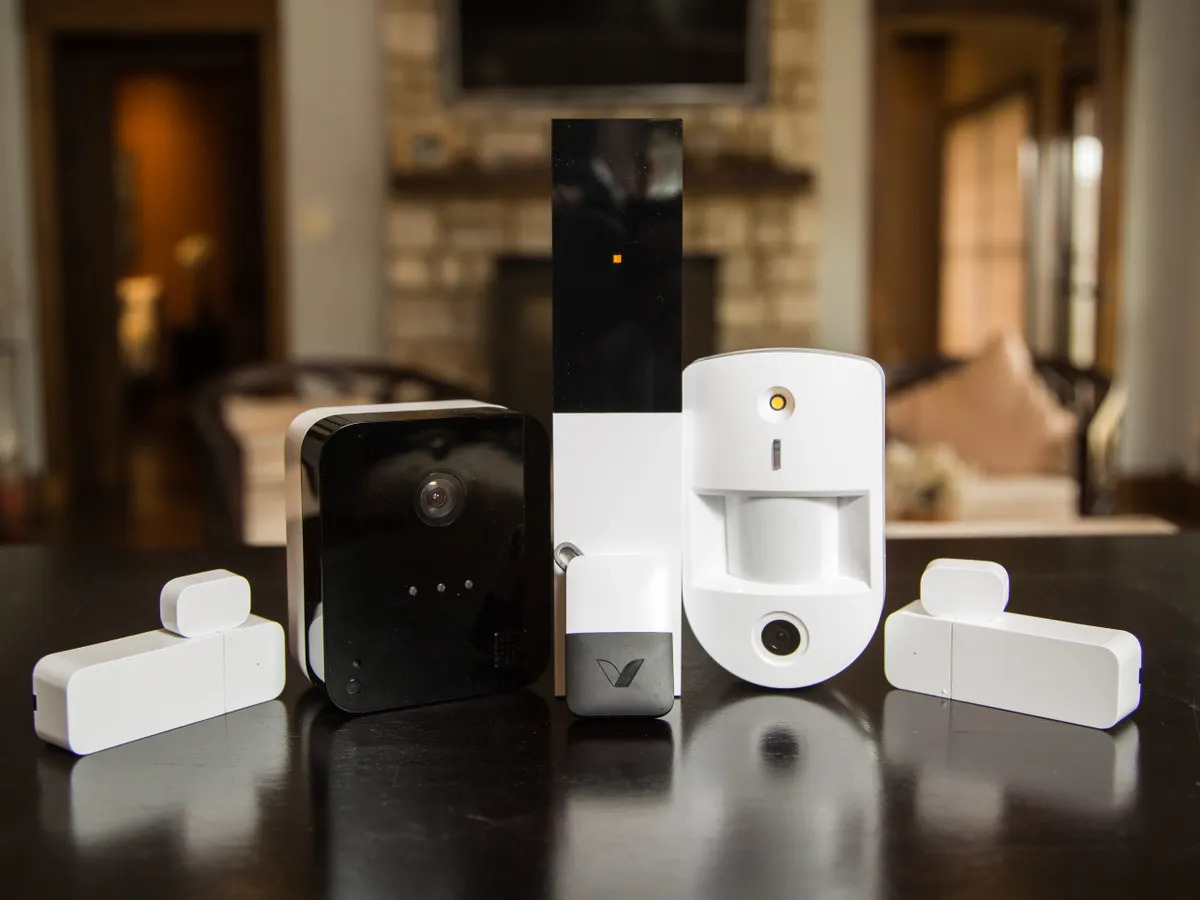
Curious to explore this independent security world further? Start by looking for terms like "local storage security camera," "cellular security system," "RF alarm panel," or even simple "standalone motion sensor alarms." You'll find many options, from basic battery-powered cameras that record to an SD card when motion is detected, to more advanced systems that use a SIM card to send you text alerts or call your phone if an alarm is triggered. Consider the components: a central hub, various sensors (door/window, motion), and a siren. Many are surprisingly affordable and incredibly simple to install. You could even dip your toes into DIY projects using platforms like Arduino or Raspberry Pi to build a basic local security setup, learning how sensors work firsthand. It’s a great way to appreciate that robust security doesn't always need the internet; sometimes, the smartest solution is the one that thinks for itself.