Secondary Liver Cancer Icd 10 Code
.png)
Okay, let's talk about something that might sound a bit scary, but we're going to keep it light and easy: Secondary Liver Cancer and its ICD-10 code. Think of it as understanding the secret handshake of the medical world – knowing the code helps doctors communicate clearly, and knowing a little about it can empower you! Why should you care? Well, stick around and you might be surprised.
What's Secondary Liver Cancer, Anyway?
Imagine your liver as the diligent filter of your body, working tirelessly to clean everything up. Primary liver cancer starts right there in the liver. Secondary liver cancer, on the other hand, is like a tourist; it originates somewhere else in the body, like the colon, breast, or lungs, and then travels to the liver. It's essentially cancer that's metastasized, meaning it's spread from its original location.
Think of it like this: you're baking a delicious apple pie (the primary cancer). Suddenly, some of the apple filling spills over onto your countertop (the liver). The countertop isn't the source of the apple filling; it just happens to be where it ended up. That spillage is secondary liver cancer.
Must Read
Why the Fuss About an ICD-10 Code?
So, what's with this fancy-sounding "ICD-10 code"? It's simply a standardized way for doctors and healthcare professionals to classify and code diagnoses. It's like a universal language that everyone in the medical field can understand. The code for secondary liver cancer helps ensure that:
* Everyone's on the same page regarding your diagnosis.
* Your treatment plan is tailored specifically to your condition.
* Insurance companies process your claims accurately.
* Data is collected to improve future treatments and research.
Without it, it would be like trying to order a coffee in Italy without knowing any Italian! You might eventually get something, but it probably wouldn't be what you expected.
 (1).png)
Decoding the Mystery: An Example
While there isn't just one single ICD-10 code that encompasses all secondary liver cancers, it usually starts with a "C" followed by other numbers, and it's important to look up what the code means. Each different type of cancer will have its own specific code, allowing medical professionals to properly identify it in order to give the patient the best course of treatment.
For instance, you might see something like "C78.7" which refers to secondary malignant neoplasm of liver and intrahepatic bile duct. Don't worry, you don't have to memorize it! The point is that the code provides precise information about the cancer's location and origin.
Why Should You Care? (It's Not as Scary as it Sounds!)
Now, you might be thinking, "Okay, that's interesting, but why should I care about this code?" Well, knowledge is power! Understanding even a little about your diagnosis, including the ICD-10 code, can empower you to:
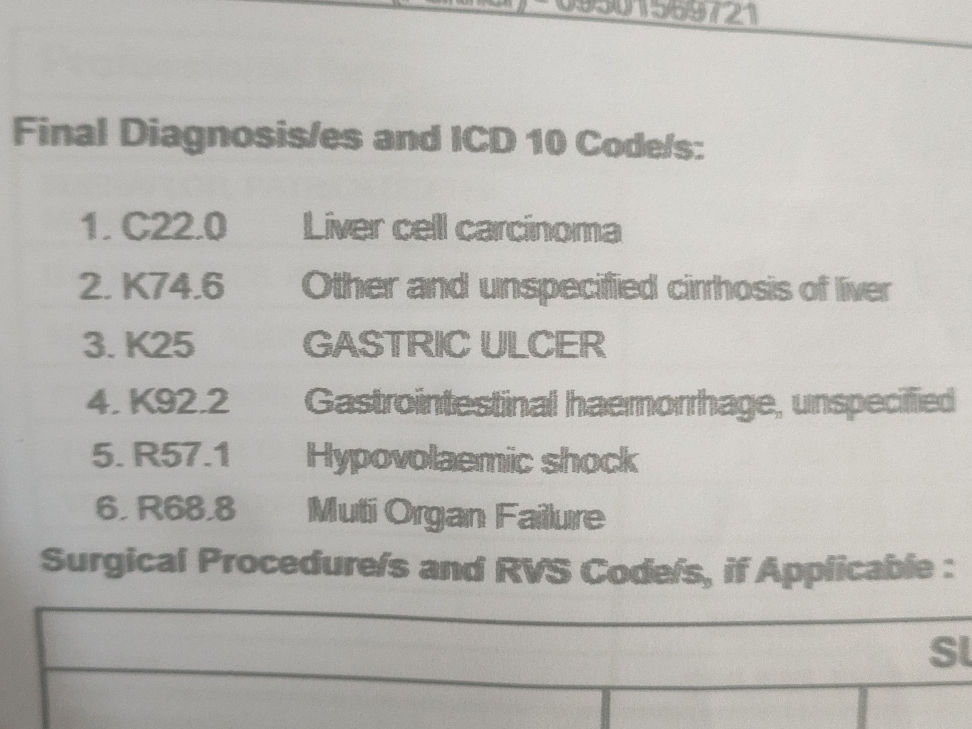
- Ask better questions to your doctor. "Doctor, what does this C78.7 code specifically mean for my treatment options?"
- Be a more active participant in your healthcare journey.
- Advocate for yourself and ensure you're receiving the best possible care.
Think of it as knowing the password to a secret club – the club of informed patients! You don't have to be fluent in medical jargon, but knowing a few key terms can make a world of difference.
Early Detection: Your Superpower
The best defense against secondary liver cancer (and any cancer, really) is early detection. Regular check-ups, age-appropriate screenings, and being aware of any changes in your body are crucial. If something feels off, don't ignore it! Talk to your doctor. It's like checking the oil in your car – preventative maintenance can save you a lot of trouble down the road.

Listen to your body. It's constantly sending you signals. Don't dismiss them. And remember, even if you're diagnosed with secondary liver cancer, it's not a death sentence. Medical advancements are happening all the time, and there are many treatment options available. Early detection and proper medical intervention provide you with better and faster treatment options!
The Takeaway
Secondary liver cancer and its ICD-10 code might sound complicated, but hopefully, this has helped demystify it a bit. It's all about understanding the language of medicine, empowering yourself to be an active participant in your healthcare, and prioritizing early detection. Don't be afraid to ask questions, be your own advocate, and remember that you're not alone on this journey.
So, go forth and be informed! And maybe treat yourself to a healthy snack – your liver will thank you!