Sea Salt Iodine Deficiency Keloid

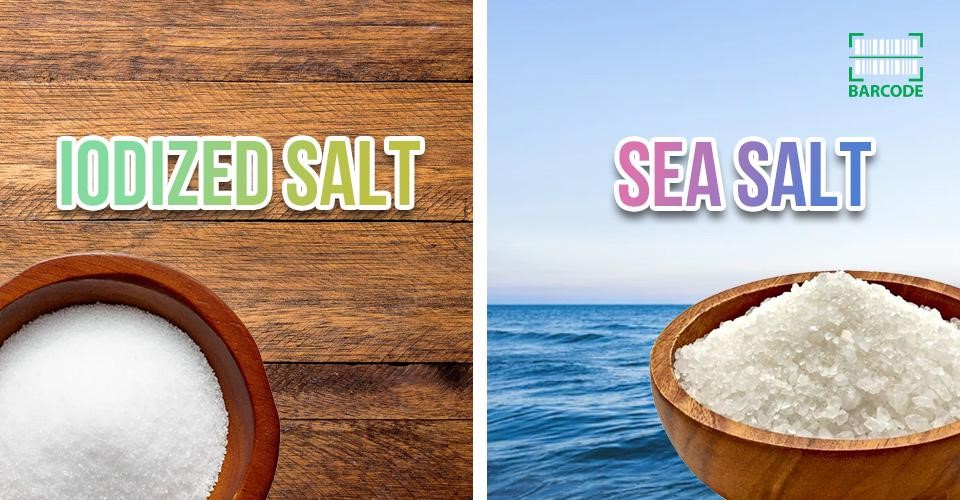
Sea salt! Just the sound of it evokes images of crashing waves, sun-kissed skin, and the subtle, briny flavor that elevates everything from chocolate chip cookies to perfectly grilled fish. Many of us have made the switch from regular table salt to sea salt, believing it to be a healthier, more natural alternative. And in some ways, it is! The flaky texture, the varying mineral content that adds a depth of flavor – it’s easy to see why sea salt has become a kitchen staple for foodies and home cooks alike.
One of the main reasons people initially turned to sea salt was the perception that it contained more beneficial minerals than regular table salt. While it’s true that sea salt can contain trace amounts of minerals like magnesium, potassium, and calcium, the amounts are often so small that they don't significantly contribute to your daily nutritional needs. Table salt, on the other hand, is often fortified with iodine, a vital nutrient that plays a crucial role in thyroid function and overall health.
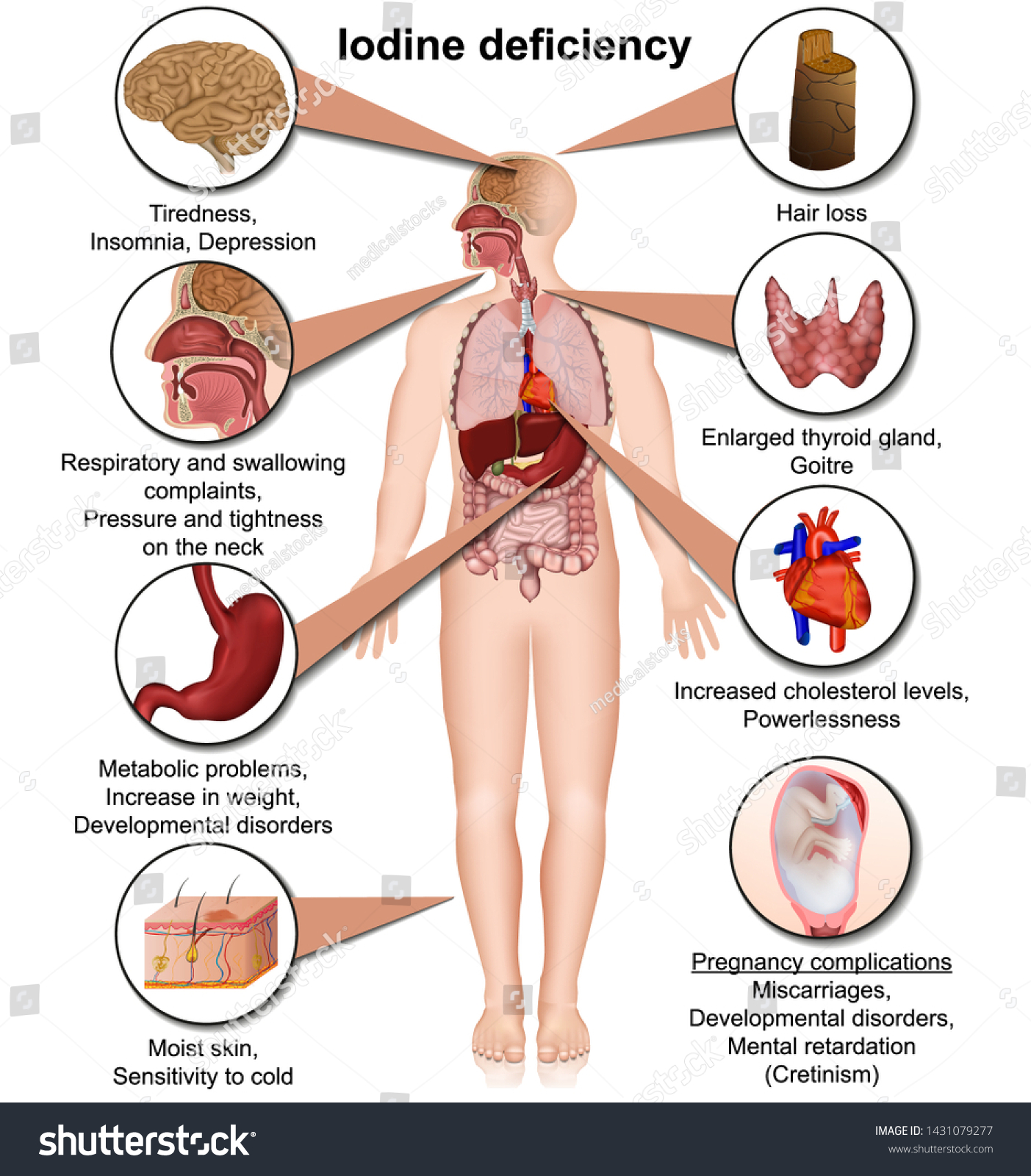
Here's where things get interesting. Our thyroid gland uses iodine to produce hormones that regulate metabolism, growth, and development. A deficiency in iodine can lead to a range of problems, including hypothyroidism (an underactive thyroid), goiter (an enlargement of the thyroid gland), and, in pregnant women, developmental issues in the fetus. In many developed countries, the addition of iodine to table salt has been a remarkably effective public health measure in preventing these deficiencies.
Must Read
Now, you might be thinking, "But I use sea salt! Am I at risk?" The answer is, maybe. Many sea salts are not iodized. This means they lack the added iodine that table salt provides. If you rely solely on uniodized sea salt for your sodium intake, you could potentially be missing out on this essential nutrient. Common examples of foods that benefit from a sprinkle of sea salt include roasted vegetables, salads, and even desserts. The coarse texture provides a satisfying crunch and enhances the flavors beautifully. However, don't let the culinary appeal overshadow the importance of iodine.
So, how can you enjoy sea salt effectively while ensuring you're getting enough iodine? Here are a few practical tips: First, read the label! Check if your sea salt is iodized. If not, consider incorporating iodized table salt into your diet occasionally. This doesn't mean you have to abandon your beloved sea salt altogether. You can use iodized salt for everyday cooking and save the sea salt for finishing touches where its texture and flavor truly shine. Another option is to include iodine-rich foods in your diet, such as seaweed, dairy products, and eggs. And finally, be aware that certain individuals, such as pregnant women and those with pre-existing thyroid conditions, may require even closer attention to their iodine intake. Consult with your doctor or a registered dietitian to determine the right approach for you.
While we're discussing skin health and mineral composition, it's worth touching upon another "sea" related topic: keloids. Keloids are raised, thickened scars that can develop after skin injuries, such as cuts, burns, or even piercings. While sea salt isn't directly related to keloid formation, it's important to remember that maintaining overall skin health through proper wound care can minimize the risk of abnormal scarring. So, enjoy your sea salt in moderation, get your iodine, and take care of your skin – inside and out!