
Sciatica Monitoring For Changes Or Improvement

Oh, sciatica, you sneaky devil! You barge into our lives like an uninvited guest, bringing pain that shoots down our leg faster than a toddler chasing an ice cream truck. But fear not, my friends! We're not going to let it win without a fight. We're going to become sciatica-monitoring ninjas!
Becoming a Sciatica Sherlock
Think of yourself as a detective, hot on the trail of… well, your own sciatic nerve. But instead of a magnifying glass and a trench coat, your tools are your senses and a healthy dose of self-awareness. Let's get this investigation rolling!
Pain: The Prime Suspect
First, let's talk about pain. It's usually the first clue that something's amiss, the siren song of sciatica trying to ruin your day. But pain isn't just a simple "yes" or "no" situation, oh no! It's a complex character with many nuances.
Must Read
Is your pain feeling like a dull ache, a sharp stab, or a burning sensation? Is it constant, or does it come and go like a flaky friend? Pinpointing the type of pain is crucial.
Where exactly is the pain located? Is it just in your lower back, or is it radiating down your leg, past your knee, and maybe even into your toes? Mapping the pain's journey is like drawing a treasure map to recovery! The more details you have, the better.
On a scale of 1 to 10, with 1 being "barely there" and 10 being "I need to be airlifted to the nearest hospital," how would you rate your pain? Keeping track of the pain intensity over time is key. Writing it down in a journal is helpful.
The Mobility Mission
Next up: Mobility! Can you bend over and touch your toes (or even get close without wincing)? Can you walk around the block without feeling like you're walking on shards of glass? Let's put those body parts to the test.
Try a simple hamstring stretch. Sit on the floor with your legs straight out and reach for your toes. Can you feel a nice, gentle stretch, or does it send a jolt of pain down your leg? Note the difference.
Go for a short walk. Pay attention to how far you can walk before the pain becomes unbearable. Are you shuffling like a penguin, or can you maintain a normal stride? Every step counts!

Can you easily twist at the waist? Do you have trouble bending sideways? Any limitation in your movements are things you need to monitor. The freedom of movement shows how much sciatic nerve is affected.
Sensation Sleuthing
Sciatica can also mess with your senses. You might experience numbness, tingling, or even a pins-and-needles sensation in your leg or foot. It's like your leg is telling you a very strange story, written in code.
Can you feel the difference between hot and cold on your skin? Test it out with a warm (not scalding!) compress and an ice pack. Does everything feel normal, or is your leg playing tricks on you?
Try gently poking your leg and foot with your finger. Can you feel the touch, or is it dulled or absent? Pay attention to any changes in sensation, no matter how subtle.
Are you suddenly tripping over things more often? Are your feet feeling clumsy or uncoordinated? This could be a sign of nerve weakness, so don't ignore it!
The Bowel and Bladder Brouhaha (Let's Hope Not!)
Okay, let's get real for a second. In rare (but serious) cases, sciatica can affect bowel and bladder control. This is a medical emergency, so listen up!
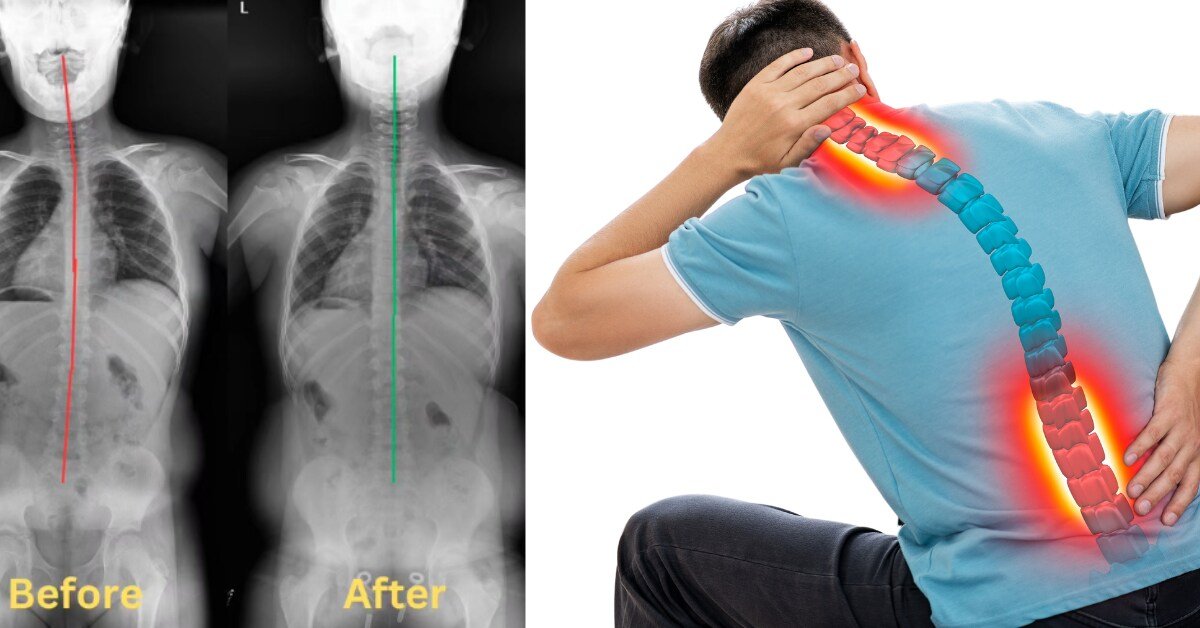
If you're experiencing any difficulty with urination or bowel movements, don't delay! Get yourself to a doctor ASAP! This is not a wait-and-see situation.
We're talking about things like incontinence, difficulty starting or stopping urination, or loss of sensation when you need to go. If anything feels "off" down there, get it checked out! Remember, the sciatic nerve can affect many areas.
The Diary of a Sciatica Warrior
Now that you're armed with your monitoring tools, it's time to create a record of your sciatica saga. Grab a notebook, download a tracking app, or create a spreadsheet. Whatever works for you!
Every day (or as often as you can), jot down your pain levels, mobility limitations, sensory changes, and any other relevant observations. Be as detailed as possible. The more information you have, the better you can track your progress.
Note any activities that seem to trigger your sciatica. Did you spend too long sitting at your desk? Did you lift something heavy? Identifying your triggers can help you avoid them in the future.
Also, track any treatments you're trying. Are you doing physical therapy? Taking medication? Using heat or ice? Note how these treatments are affecting your symptoms. This is your treatment journal.
Interpreting the Clues: Is It Getting Better or Worse?
After a few weeks of diligent monitoring, you should start to see a pattern emerge. Is your sciatica improving, staying the same, or getting worse? Let's analyze the evidence!
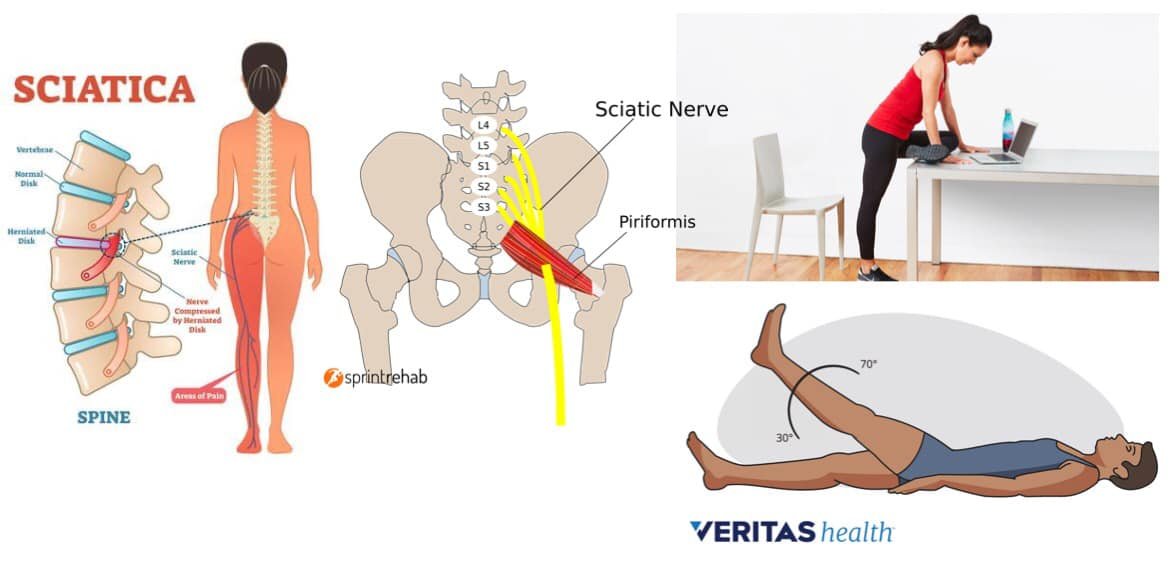
If your pain levels are decreasing, your mobility is improving, and your sensory changes are resolving, congratulations! You're on the right track. Keep doing what you're doing!
If your symptoms are staying the same, it might be time to tweak your treatment plan. Talk to your doctor or physical therapist about other options. Don't give up hope!
If your sciatica is getting worse, don't panic! It's important to seek medical advice. Your doctor can help you figure out what's going on and adjust your treatment accordingly. You need an accurate diagnosis!
When to Call in the Professionals
While self-monitoring is great, it's not a substitute for professional medical care. There are times when you need to call in the experts.
If you're experiencing severe pain that doesn't respond to over-the-counter pain relievers, don't suffer in silence. Seek medical attention right away. The pain assessment is critical.
If you're experiencing any new or worsening neurological symptoms, such as weakness, numbness, or tingling, get it checked out. These could be signs of nerve damage.

And as we discussed earlier, if you're experiencing any bowel or bladder problems, seek immediate medical attention. This is a red flag that needs to be addressed right away. There are some serious symptoms you cannot ignore.
The Power of Positive Thinking (and Action!)
Living with sciatica can be a real pain in the… well, you know. But it's important to stay positive and proactive. Remember, you're not alone, and there are things you can do to manage your symptoms and improve your quality of life.
Stay active, but listen to your body. Don't push yourself too hard, but don't become a couch potato either. Find activities that you enjoy and that don't aggravate your sciatica. Try swimming, walking, or yoga. You should get a proper exercise plan.
Practice good posture. Sit up straight, stand tall, and avoid slouching. Good posture can help take pressure off your sciatic nerve. Also, make sure that you sleep properly.
Maintain a healthy weight. Excess weight can put extra strain on your spine and sciatic nerve. Eat a balanced diet and exercise regularly to maintain a healthy weight. You need a healthy lifestyle!
And most importantly, don't be afraid to ask for help. Talk to your doctor, physical therapist, or a trusted friend or family member. Sharing your experiences and getting support can make a big difference.
So there you have it! You're now equipped to become a sciatica-monitoring master. Go forth, observe, record, and conquer your sciatica! Remember, you've got this!