
Safest Place To Raise A Family
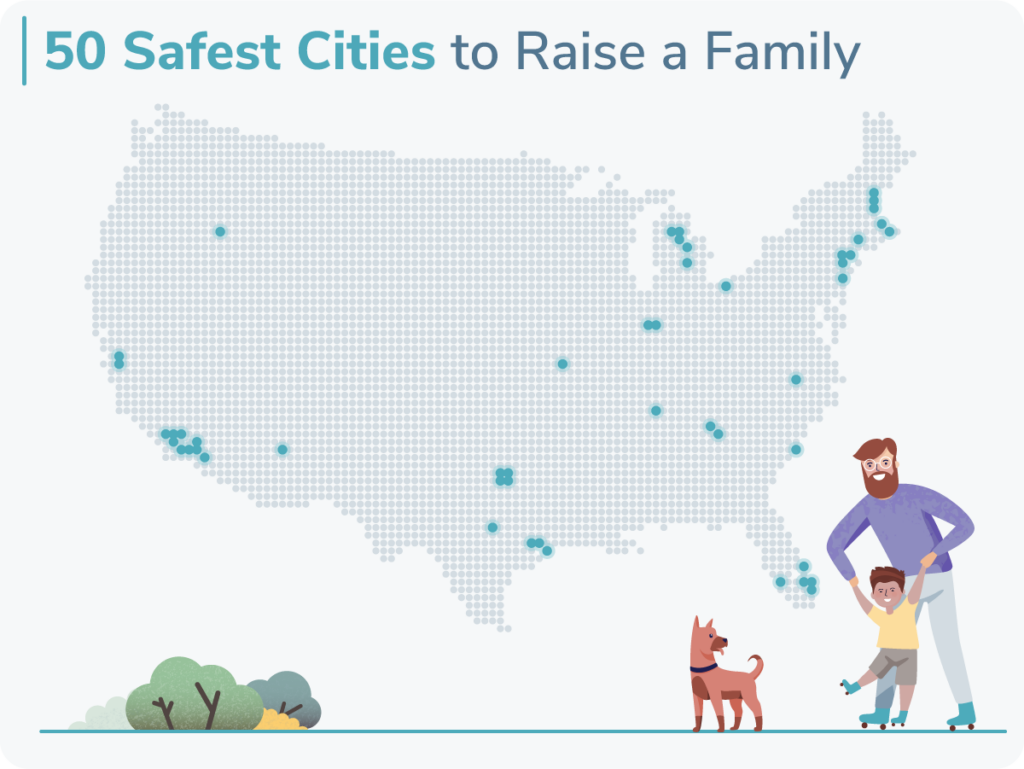
Hey there! Ever found yourself scrolling through endless articles, maybe sipping your morning coffee, and a thought just pops into your head: "Where’s the absolute safest place to raise a family?" It's a question that probably crosses every parent's mind, or even those just dreaming of a future family. And honestly, it’s a pretty fascinating rabbit hole to tumble down!
You might immediately think of places with super low crime rates, right? Like some quaint little village where everyone knows everyone, and the biggest drama is a missing garden gnome. And sure, that’s a huge piece of the puzzle. But when we talk about "safest," it’s so much more than just what the police blotter says. It’s like trying to define "delicious" – it’s different for everyone, and there are so many ingredients!
Beyond Just Low Crime: What Does "Safe" Really Mean?
Think about it. Is a place safe if it has zero crime but no decent schools or healthcare? Or if the air is thick with pollution? Or if there are no green spaces for kids to run wild and explore? Suddenly, our definition of safety expands like a balloon. It’s not just about avoiding bad things, but about being surrounded by good things too.
Must Read
It’s about peace of mind. That feeling when you know your kids can ride their bikes down the street without you hovering like a helicopter. It’s about the community fabric – are people looking out for each other? Does a lost dog find its way home quickly because neighbors are connected? These are the little things that weave together to create that undeniable feeling of security.
The Power of Community Vibe
Imagine a place where the local grocer knows your name, and your kids' names, and maybe even remembers what kind of juice they like. Where neighbors organize impromptu potlucks in the park, and everyone pitches in to help if someone’s fence blows down in a storm. That’s a powerful kind of safety, isn't it?
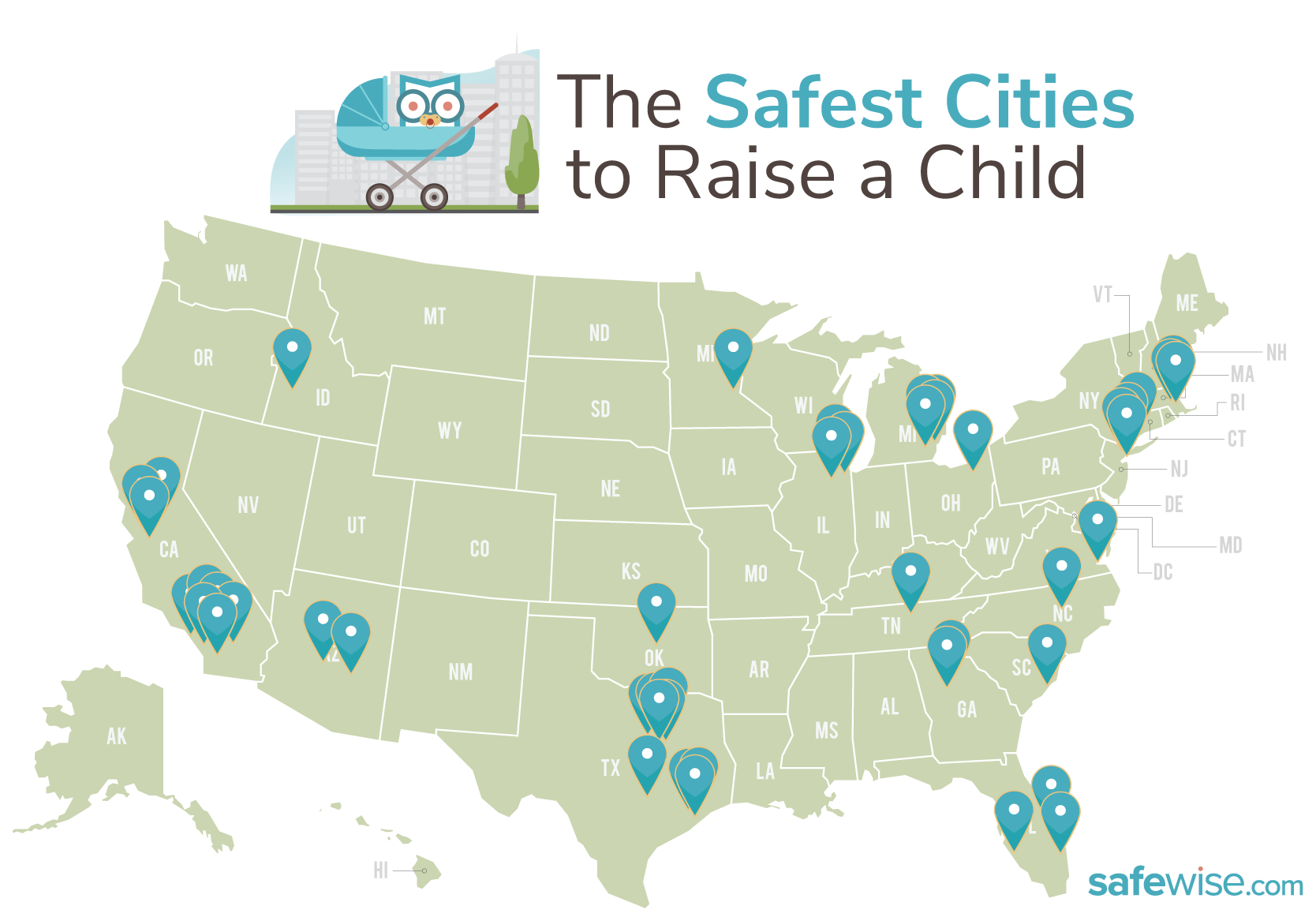
This "social capital" is often overlooked. When a community has strong bonds, a sense of shared responsibility, and a culture of mutual support, it creates an invisible shield. It's like having hundreds of extra eyes and helping hands, making it a truly resilient and caring environment for families.
Nature's Nurture and Environmental Safety
What about the air your kids breathe, or the water they drink? Environmental safety is a massive factor. We're talking about places with clean air and water, access to nature, and maybe even a low risk of natural disasters. Nobody wants to constantly worry about wildfires, hurricanes, or floods, right?
Picture sprawling parks, nature trails, and clean rivers. These aren't just pretty backdrops; they're essential for a child's development and overall well-being. A place where kids can truly be kids, exploring the outdoors without a cloud of smog or a threat of a major weather event looming, feels inherently safer and healthier.
The Pillars of Support: Healthcare and Education
Okay, so your community is great, the air is fresh. But what happens if someone gets sick, or needs a really good school? Access to top-notch healthcare and excellent educational opportunities is another non-negotiable for many families seeking safety. Knowing that quality doctors, hospitals, and emergency services are readily available provides an immense sense of security.
And schools? They’re not just places for learning ABCs. They’re centers for social development, fostering friendships, and providing a stable routine. A school system that prioritizes student well-being, offers engaging programs, and has dedicated teachers contributes hugely to a child’s sense of safety and belonging. It's about nurturing their minds and their spirits.

Economic Stability and Stress-Free Living
Here’s a factor we don't always consider: economic stability. When families aren't constantly stressed about making ends meet, when there are good job opportunities, and housing is affordable, the overall stress levels go down. And a less stressed family is often a happier and, yes, safer family.
Think about it: financial worries can trickle down and affect everything, from mental health to family dynamics. So, a place that offers economic stability acts like a warm blanket, providing another layer of comfort and security. It means more time for family, less worry about the future, and more resources to invest in those little joys that make life rich.
So, Where IS This Utopia? (Spoiler: It's Complicated!)
By now, you might be thinking, "Okay, spill it! Where is this magical place?" And here's the slightly frustrating, but wonderfully human, truth: there’s no single, one-size-fits-all answer. What feels safe to one family might feel stifling to another. A bustling city might offer incredible opportunities and diversity, while a quiet rural town might offer unparalleled peace.

Some folks might find their paradise in Northern Europe, known for its incredible social safety nets and low crime rates. Others might choose a small town in the American Midwest, where community values run deep. Some might even create their own safe haven in a thriving suburb, balancing urban amenities with family-friendly vibes.
Ultimately, the "safest place" isn't just about statistics or accolades. It's about finding that unique blend of factors that resonates with your family's values and needs. It's about feeling connected, supported, and free to grow without constant worry. It’s a feeling, a network, a specific set of circumstances that come together to create that beautiful sense of "We're home, and we're safe."
So, instead of just searching for "safest cities," maybe start asking, "What does safety truly mean to us?" The answer might just lead you to your perfect family haven, wherever that may be.