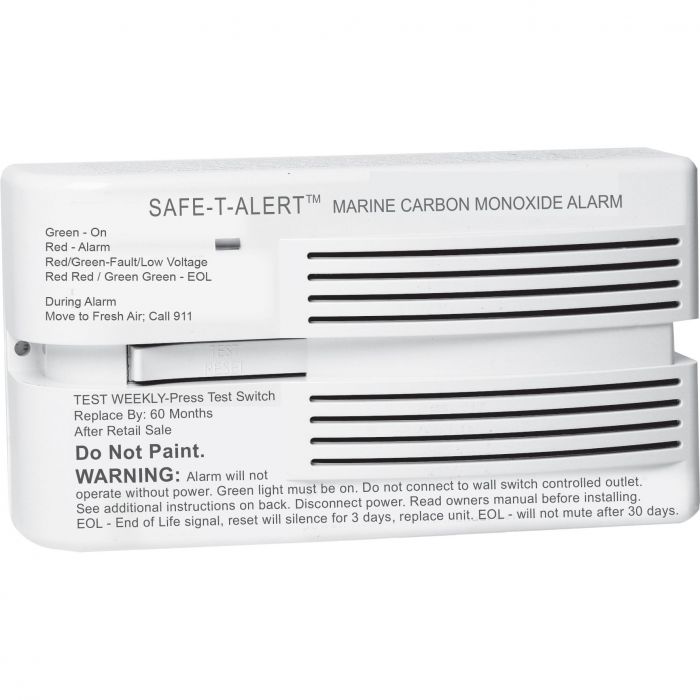
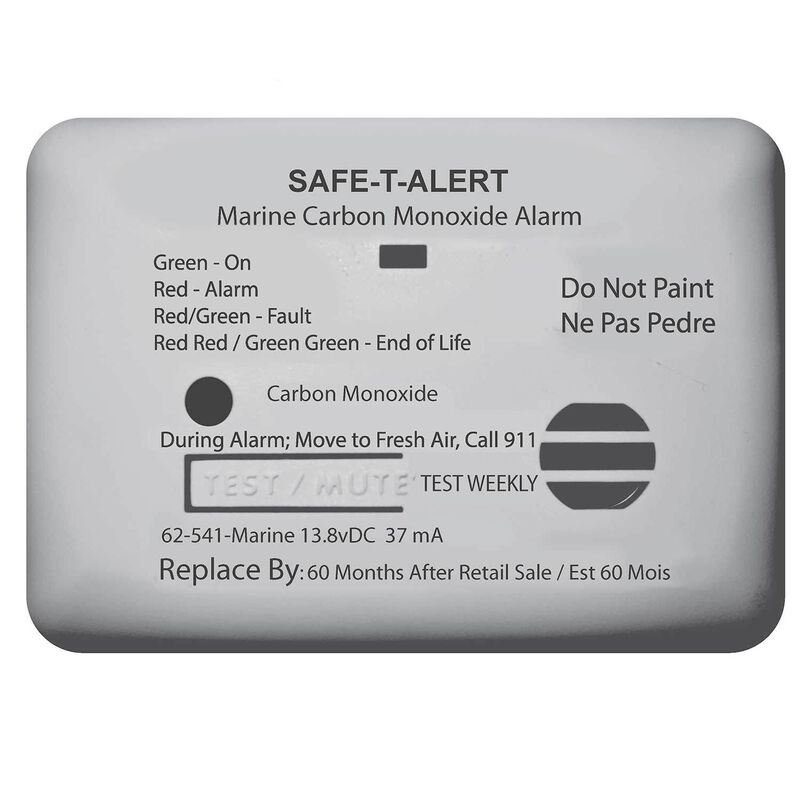
Safe T Alert Carbon Monoxide Detector
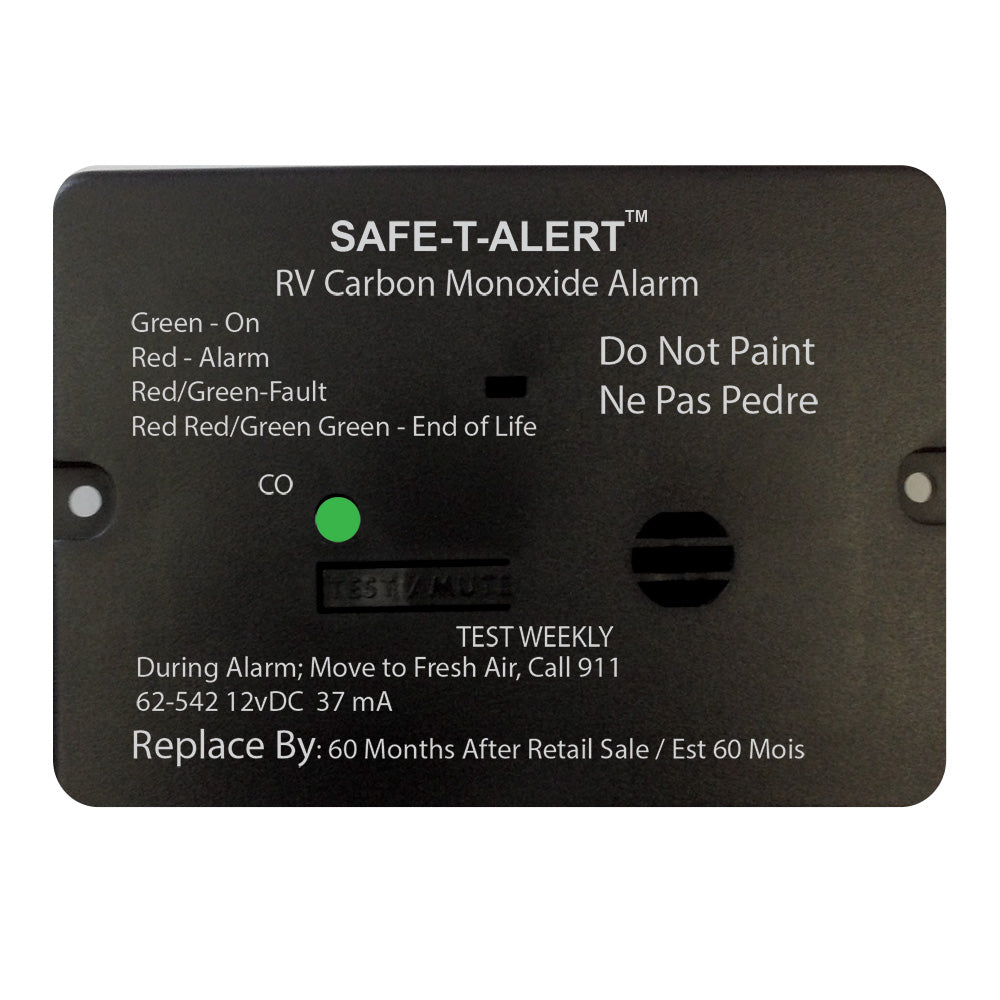
There's a special kind of comfort that comes from knowing you've got everything covered. Whether it's the cozy feeling of your home on a chilly evening, the thrill of hitting the open road in your RV, or the serene calm of a day out on the water, we all cherish these moments of peace and adventure. What if we told you there's a silent guardian that helps preserve these precious experiences, ensuring your safety without you ever having to lift a finger? We're talking about the unsung hero of home and travel safety: your Safe T Alert Carbon Monoxide Detector.
Most of us adore the warmth of a fireplace, the convenience of a gas stove, or the quiet hum of a furnace. But these modern marvels, along with generators, water heaters, and even marine engines, can produce a truly insidious byproduct: carbon monoxide (CO). This gas is a master of disguise—it’s colorless, odorless, and tasteless, making it the ultimate invisible killer. This is precisely where your Safe T Alert steps in, acting as your ever-vigigilant sentinel. Its primary purpose is simple yet profoundly vital: to detect the presence of CO gas and alert you with a piercing alarm long before it can harm you or your loved ones. It’s not just a gadget; it’s a promise of safety, a beacon of peace of mind that lets you breathe easy.
You’ll find these crucial devices safeguarding a myriad of spaces where fuel-burning appliances are present. In homes, they’re typically mounted near sleeping areas or living spaces, silently watching over your family. For the adventurous spirits, Safe T Alert detectors are an absolute must-have in RVs, travel trailers, and motorhomes, where ventilation can be unique and appliances are compact. Boaters, too, rely heavily on them, especially in cabins and sleeping berths, protecting against exhaust fumes that can accumulate. Anytime you're in an enclosed space with a potential CO source, a Safe T Alert is your crucial first line of defense, ensuring your leisure isn’t interrupted by a preventable tragedy.
Must Read
So, how can you truly "enjoy" this vital piece of equipment more effectively and maximize the security it offers? First, understand its proper placement. For homes, place them on every level and near sleeping areas. In RVs and boats, follow the manufacturer's instructions carefully, often meaning near sleeping areas but away from air vents or cooking fumes. Second, and perhaps most important, is regular maintenance. Make it a habit to press that test button at least once a month. This simple action confirms the alarm and batteries (if applicable) are working. Remember that CO detectors have a limited lifespan, usually 5-7 years from the date of manufacture. Check the back of your unit for this date and replace it accordingly, even if it seems to be working. An expired detector might not offer reliable protection. Finally, educate everyone in your household or travel party about the sound of the alarm and the immediate action plan: evacuate immediately to fresh air and then call for help. By taking these simple steps, you're not just owning a detector; you're actively embracing a safer lifestyle, ensuring your adventures and downtime remain worry-free, exactly as they should be.