
Royal Canin Prescription Dog Food Urinary

Okay, so picture this: you're enjoying a lovely Sunday morning, sipping your coffee, maybe reading the paper (or, let's be real, scrolling through Instagram). Suddenly, Fido starts acting… weird. Like, really weird. He’s squatting more than a competitive powerlifter, whining, and leaving, shall we say, very small puddles. Not exactly the picture of canine bliss, is it?
Chances are, your furry pal might be dealing with urinary issues. And while I’m no vet (unless binge-watching ER counts), that’s where Royal Canin Prescription Dog Food Urinary comes barking into the picture. Think of it as the knight in shining kibble, swooping in to save the day… and your carpets.
What’s the Deal with Doggy Pee Problems?
Alright, let's get a little science-y, but I promise to keep it shorter than a chihuahua's attention span. Urinary problems in dogs, like bladder stones or crystals, can happen for a bunch of reasons. It's like the canine version of a bad office potluck – too much of one thing, not enough of another, and suddenly everyone's regretting their life choices. Breed, diet, even hydration can play a role. Some breeds, like Dalmatians, are just naturally more prone to crystal formation. They're basically the divas of the dog world, requiring extra special treatment. Don't tell my mutt I said that.
Must Read
These little mineral formations can irritate the bladder, making it painful for your dog to pee (hence the squatting and whining). In some cases, they can even block the urethra, which is a full-blown emergency! Imagine trying to squeeze a watermelon through a garden hose. Not fun, right? Definitely worth a vet visit!
Royal Canin Urinary: More Than Just a Fancy Name
So, what makes Royal Canin Urinary food so special? It's not just regular dog food with a royal seal of approval (though that would be pretty cool). It’s carefully formulated to address those pesky urinary problems.
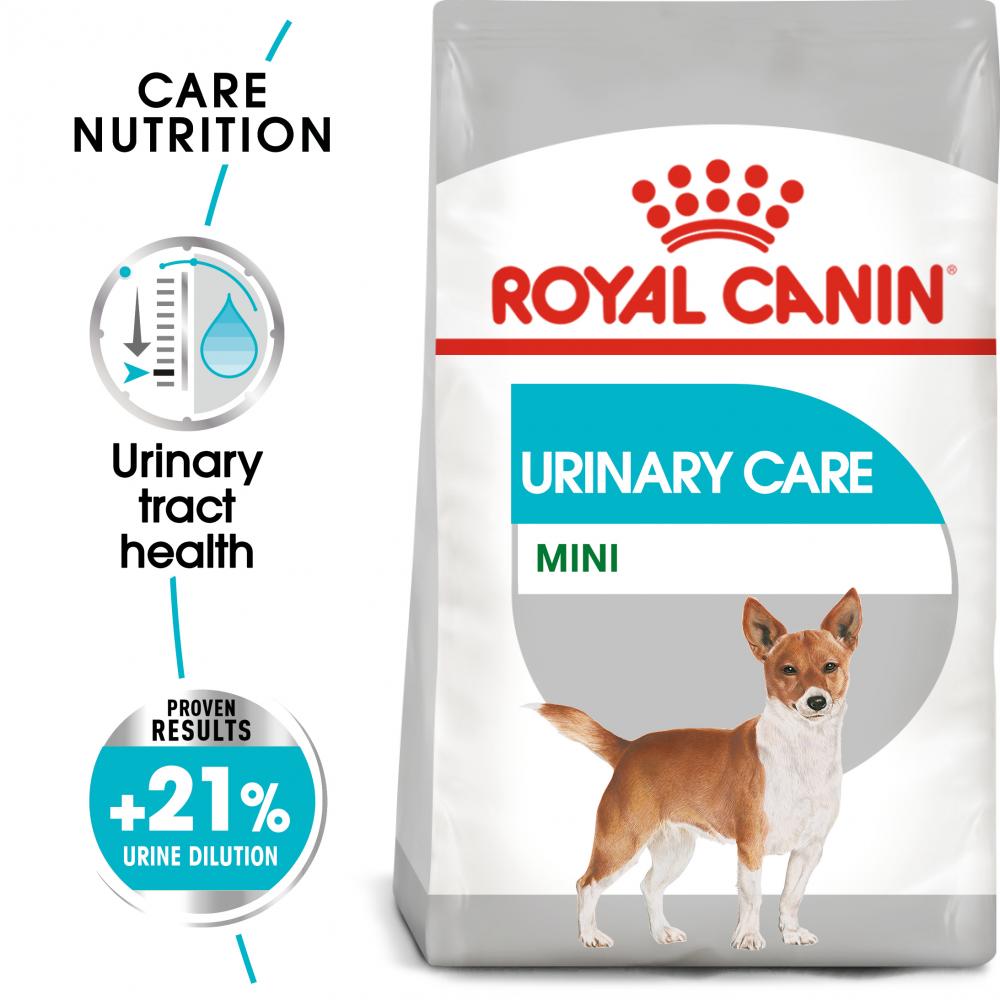
One of the key things it does is control the minerals in your dog's urine. Think of it like a bouncer at a VIP club for minerals. It lets the good ones in (the ones your dog needs) and keeps the troublemakers (the ones that form crystals) out. It does this by moderating the levels of minerals like magnesium, phosphorus, and calcium.
Another clever trick is that it helps to increase urine volume. Basically, it encourages your dog to drink more water, which dilutes the urine and makes it harder for crystals to form. It's like adding extra water to your juice – less concentrated and less likely to cause a sticky mess. Plus, who doesn't love a well-hydrated pooch? They’re practically glowing with health!
Some formulations also help to acidify the urine. Certain types of crystals thrive in alkaline environments, so lowering the pH can dissolve existing stones and prevent new ones from forming. It’s like turning the tables on those pesky crystals – they’re no longer in their element!

Important Caveats (aka The Fine Print)
Now, before you rush out and buy a truckload of Royal Canin Urinary food, there are a few things you need to know. First and foremost: This is prescription food. That means you need a vet's approval. Don't try to self-diagnose and treat your dog. It's like trying to perform surgery after watching a YouTube video – it’s probably not going to end well. Always consult your veterinarian for proper diagnosis and treatment.
Also, Royal Canin Urinary food is designed to manage urinary issues, not necessarily cure them. It's like managing a chronic condition – you can control the symptoms and improve your dog's quality of life, but it may require long-term dietary management.

And finally, this food is not a one-size-fits-all solution. Different types of urinary problems require different approaches. Your vet will determine the best type of food and treatment plan for your dog's specific needs. Think of it as tailoring a suit – you want something that fits perfectly and addresses your individual needs.
Making the Switch: A Gradual Approach
So, your vet has prescribed Royal Canin Urinary food. Great! Now, how do you get your dog to actually eat it? Some dogs are picky eaters, and switching their food cold turkey can lead to digestive upset (think canine tummy rumbles). The best approach is to gradually transition your dog to the new food over a period of 5-7 days. Start by mixing a small amount of the new food with their old food, gradually increasing the proportion of the new food each day.
It’s like introducing your friend to your weird hobbies. You don’t just throw them into a Dungeons & Dragons game without any warning. You ease them in with a little explanation and maybe some character creation. Same with dog food. Gradual introduction is key!
![5 Royal Canin Urinary SO Dog Food Alternatives [2023]](https://dogfoodpoint.com/wp-content/uploads/2023/02/royal-canin-urinary-so-social.jpg)
Remember to always provide fresh, clean water for your dog. Hydration is crucial for urinary health, especially when they're eating a special diet. Think of it as the ultimate power-up in the fight against urinary problems. Water is your friend!
The Bottom Line: A Happy Bladder, A Happy Dog
Dealing with urinary issues in your dog can be stressful, but with the right diagnosis, treatment, and dietary management, you can help your furry friend live a happy and comfortable life. Royal Canin Prescription Dog Food Urinary can be a valuable tool in managing these issues, but it's important to work closely with your veterinarian to determine the best course of action.
So, here's to happy peeing, fewer accidents, and a dog who's back to their old, playful self. And maybe, just maybe, fewer awkward conversations with your carpet cleaner. Cheers to that!