Required Locations For Smoke Detectors
In our homes, we often celebrate grand design, clever decor, and vibrant personal touches. But what about the unsung heroes, the elements that provide the very foundation for all that joy and creativity? Today, we're shining a light on one such hero: the humble smoke detector. Far from being a boring necessity, understanding
Think of it as the ultimate home protection plan, a guardian that ensures your personal sanctuary remains just that. The benefits of knowing and implementing proper smoke detector placement extend far beyond mere compliance. For anyone who cherishes their living space and the people within it, this knowledge is invaluable. It’s about being proactive, intelligent, and deeply caring. It allows you to sleep soundly, knowing you've taken a crucial step to safeguard your loved ones, your cherished memories, and everything you’ve worked hard for.
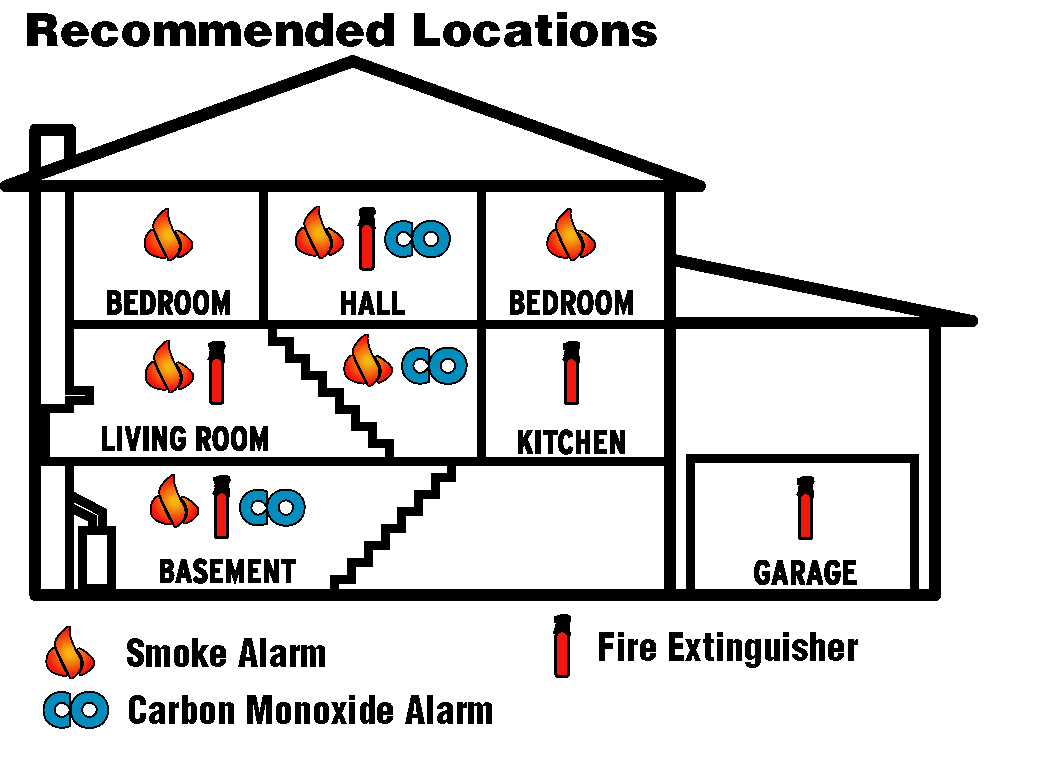
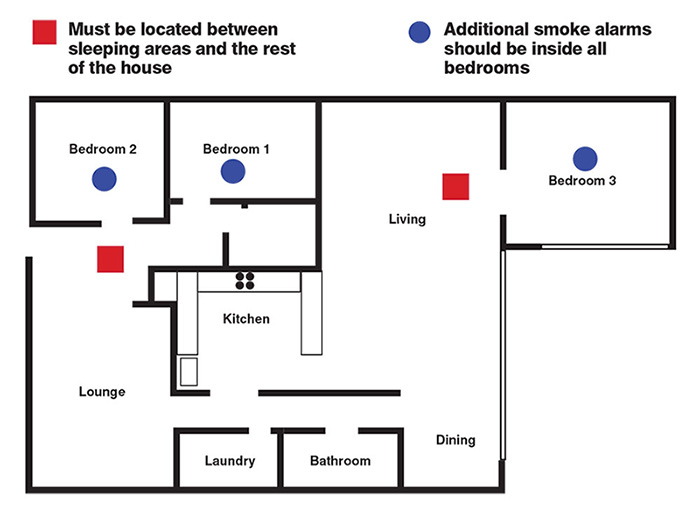
So, where do these silent sentinels need to stand guard? The general rule is simple yet critical: you need smoke detectors on every level of your home, including the basement. But let's get a bit more specific. First, ensure they are outside every sleeping area. Imagine a hallway connecting bedrooms – that's a prime spot. Second, for optimal protection, it's now widely recommended to have a smoke detector inside every individual bedroom. This offers localized detection, especially crucial if a fire starts while the door is closed. Third, don't forget areas near potential fire sources. While you generally want to avoid placing a detector directly over a stove where nuisance alarms might occur, having one in the dining room or living room adjacent to the kitchen is highly advisable. Similarly, near stairways or in large common areas, these devices provide early warning, giving you precious time to react.
Must Read
Ready to try your hand at becoming a home safety connoisseur? It's incredibly straightforward! Your first tip: read the manufacturer's instructions that come with your specific detector, as placement recommendations can vary slightly. Always mount them on ceilings or high on walls (within 6 to 12 inches of the ceiling). Avoid corners, which can create "dead air" spaces. Test your smoke detectors monthly by pressing the test button – it’s a quick two-second check that could save lives. If your detectors use replaceable batteries, change them at least once a year, perhaps when you change your clocks for daylight saving time. And remember, smoke detectors don't last forever; most have a lifespan of ten years before needing complete replacement. Consider interconnected alarms where one alarm triggers all others in the house, ensuring everyone gets the message, no matter where they are.
In a world full of complex challenges, isn't it wonderful when a vital task is also incredibly simple and profoundly rewarding? Ensuring your home has correctly placed smoke detectors is more than just a chore; it’s an act of love and a smart investment in your family's future. The enjoyment comes from the deep satisfaction of knowing you’ve done everything you can to create a truly safe and secure haven – a home where memories can be made without worry.