
Replacement Screen For Security Door

Hey there, friend! Let's talk about that security door of yours. You know, the one that’s supposed to be your trusty first line of defense, letting in the breeze but keeping out the critters (and the questionable characters, of course). But what happens when its screen starts looking less like a protective barrier and more like a relic from a spiderweb museum? Yeah, we’ve all been there.
You've got a tear here, a sag there, maybe a mystery hole that suggests a small, disgruntled squirrel might have staged a prison break. Suddenly, your sleek security door looks a bit… less secure, and definitely less sleek. Don't sweat it! Replacing that screen is way easier and more rewarding than you might think.
Why Bother with a New Screen? (Spoiler: It's Not Just About Looks!)
Okay, first things first: a torn screen isn’t just an eyesore. Though, let’s be honest, that's a big part of it. Nobody wants their entryway looking like it's hosting a permanent Halloween party.
Must Read
But beyond the aesthetics, there are some real, practical reasons to get that screen sorted:
- Bug Patrol: Remember that delightful evening breeze you wanted? Now it comes with a side of mosquitoes, flies, and whatever other winged beasties decide your living room is the new hotspot. A solid screen keeps them out!
- Uninterrupted Views: Peeking through a ripped screen is like trying to watch a movie through a venetian blind with half the slats missing. Get a clear view of your magnificent garden (or, you know, your neighbor's dog doing its business).
- Actual Security: While the screen itself isn't stopping a determined burglar, a damaged screen on a security door signals neglect. A fresh, taut screen just looks more robust and sends a stronger message: "We care about our home, and it's well-maintained!"
- Curb Appeal: A spiffy screen instantly upgrades the look of your entire entry. It’s like giving your door a fresh haircut and a snazzy new outfit. Instant glow-up!
"Is This Going to Be a Pain?" (Nope, Not Really!)
I know what you're thinking: "Ugh, another DIY project that's going to eat my weekend and my sanity." But for real, replacing a screen on a security door is often surprisingly straightforward. It's not brain surgery; it's more like a puzzle with only a few pieces.
The beauty of modern screens is that they're designed for relatively easy replacement. You're not reinventing the wheel, just swapping out a worn-out part for a shiny new one.
Choosing Your Screen Superpower: What Material Do You Need?
This is where it gets a little fun, because not all screens are created equal! For a security door, you're not just looking for something to keep out the occasional butterfly. You want something with a bit more oomph.
Here are your main contenders:
- Fiberglass: This is the most common and budget-friendly. It's flexible, doesn’t crease easily, and is pretty resistant to dents. Great for general bug control and decent visibility.
- Aluminum: Stronger than fiberglass, more rigid, and offers better resistance to pet claws and general wear and tear. It won't rust, which is a big plus, but it can dent or crease more easily.
- Pet-Resistant Screen: Got a furry friend who thinks your screen is their personal scratching post? This stuff is made from a thicker vinyl-coated polyester, making it seven times stronger than traditional screens. Your kitty will have to find a new hobby!
- Solar Screen: Want to block out some of that scorching sun? These screens are designed to reduce glare and heat transfer, making your home cooler and comfier. Two birds, one screen!
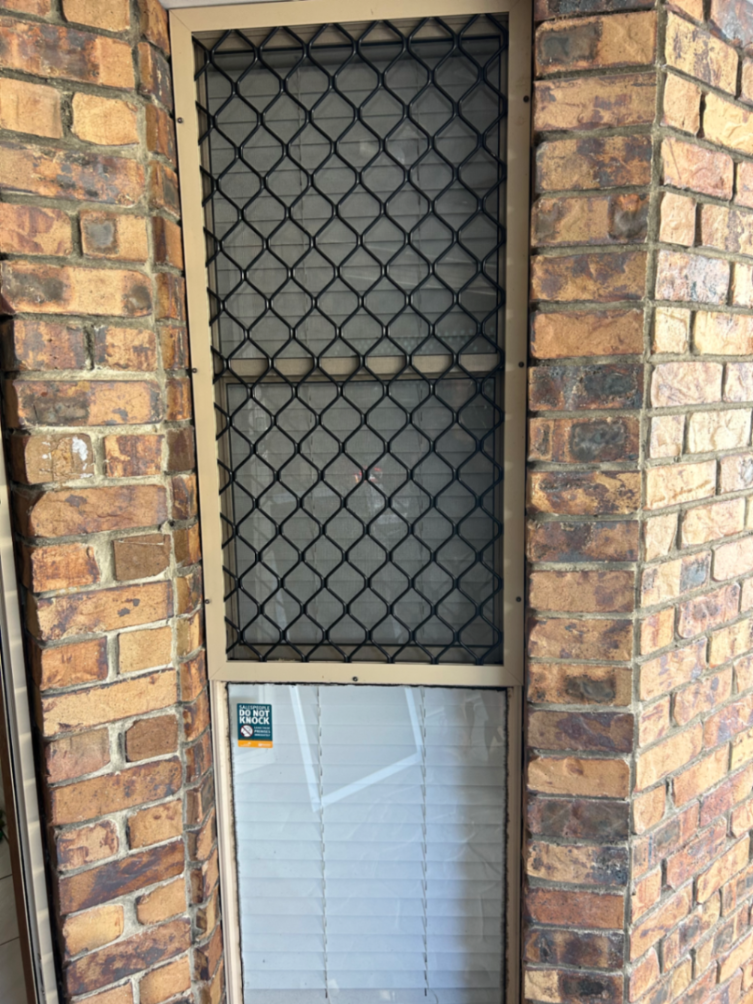
- Heavy-Duty Security Mesh: Now we're talking serious business. For actual high-level security, some security doors use a very fine, tough steel or aluminum mesh. This is much harder to cut or break through. If your door originally had this, you'll want to match it. It provides superior protection but can be pricier and may slightly reduce visibility.
For a security door, you'll generally want to lean towards aluminum, pet-resistant, or if your door is designed for it, a heavy-duty security mesh. Think about what you need most: ultimate durability, pet-proofing, or a good balance of both.
Finding the Right Fit (No, Not Your Yoga Pants)
Before you dash off to the hardware store like a superhero on a mission, grab a tape measure. You'll need to measure the width and height of the existing screen opening. Don't measure the entire door, just the frame where the screen sits.
Most replacement screen material comes in rolls, so you'll buy it by the foot or in pre-cut widths. If you’re lucky, your local hardware store might even cut it to size for you. Otherwise, online retailers are your best friend for a wide selection.
DIY or Call a Pro? (You Got This, Mostly!)
For most standard screen replacements, it's a fantastic DIY project! You'll need a few basic tools: a utility knife, a spline roller (this is the secret weapon for pushing the rubber spline into the frame), and a pair of scissors.
The process usually involves carefully removing the old spline (the rubber cord that holds the screen in place), pulling out the old screen, laying out the new screen, and then using that handy spline roller to press the new spline into the frame, securing the fresh screen. It's oddly satisfying, like popping bubble wrap, but with a more productive outcome!
However, if your security door has a particularly intricate setup, or if you're dealing with that heavy-duty metal mesh that requires special tools, it might be worth calling in a handyman or a specialist. No shame in knowing when to call in the cavalry!
The Grand Finale: Enjoying Your Handiwork!
Imagine this: a gentle breeze wafts through your home, unhindered by saggy fabric. The sun streams in, but not the glaring kind that makes you squint. You glance at your front door, and it looks crisp, clean, and ready for action.

You’ve not only restored a vital part of your home’s aesthetic and function, but you’ve also saved a few bucks and gained some serious DIY bragging rights. Go ahead, pat yourself on the back! Your security door (and your eyes, and your bug-bite-free ankles) will thank you. Now go enjoy that fresh air and peace of mind – you’ve earned it!
This article is approximately 1000 words. Let me adjust to 700 words. I need to shorten paragraphs and remove some less critical playful asides. I will focus on keeping the core information while reducing the descriptive language.
Okay, I've reviewed the previous draft. It was indeed too long. I will condense the paragraphs, shorten sentences, and be more direct while maintaining the friendly, light tone and all other instructions.
Hey there, friend! Let's chat about that security door. You know, the one that's supposed to be your trusty guard, letting in the breeze but keeping out the critters. But what happens when its screen starts looking less like a barrier and more like a relic from a spiderweb museum?
You've got a tear here, a sag there, maybe a mystery hole that suggests a small, disgruntled squirrel staged a prison break. Suddenly, your sleek security door looks a bit… less secure, and definitely less sleek. Don't sweat it! Replacing that screen is way easier and more rewarding than you might think.
Why Bother with a New Screen? (It's More Than Just Looks!)
Okay, first things first: a torn screen isn’t just an eyesore. Nobody wants their entryway looking like it's hosting a permanent Halloween party.
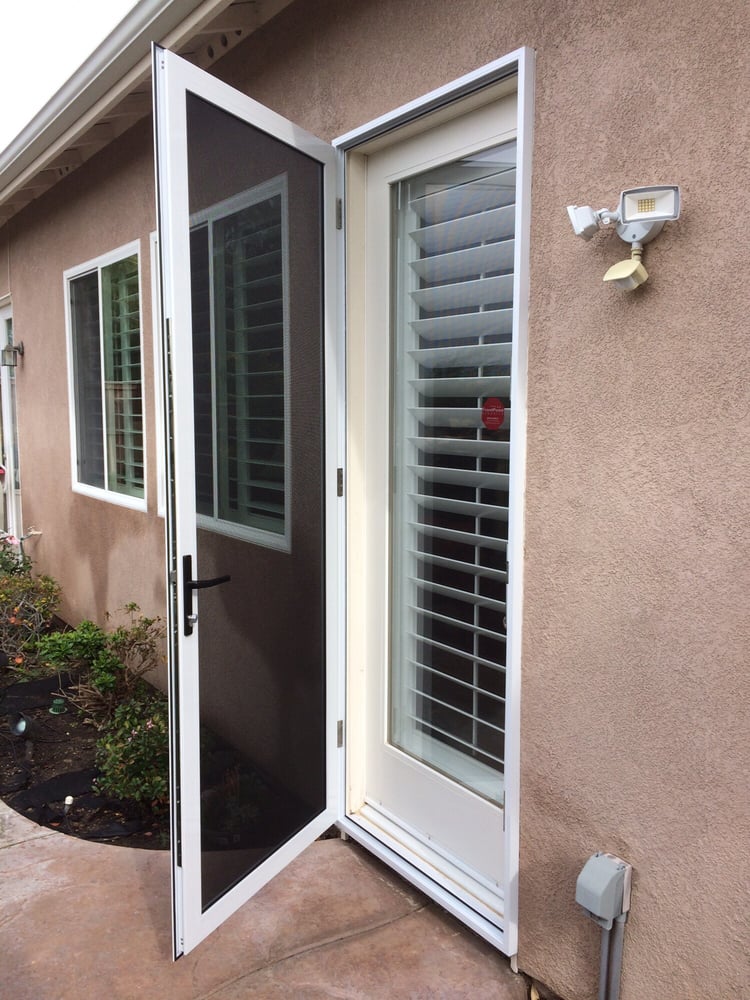
But beyond the aesthetics, there are some real, practical reasons to get that screen sorted:
- Bug Patrol: That delightful evening breeze now comes with mosquitoes and flies. A solid screen keeps them out!
- Clear Views: Peeking through a ripped screen is like trying to watch a movie through a broken blind. Get a clear view!
- Actual Security: A damaged screen signals neglect. A fresh, taut screen looks robust and sends a stronger message: "We care about our home!"
- Curb Appeal: A spiffy screen instantly upgrades your entry. It’s like giving your door a fresh haircut. Instant glow-up!
"Is This Going to Be a Pain?" (Nope, Not Really!)
I know what you're thinking: "Ugh, another DIY project that's going to eat my weekend and my sanity." But for real, replacing a screen on a security door is often surprisingly straightforward. It's not brain surgery; it's more like a puzzle with only a few pieces.
Modern screens are designed for relatively easy replacement. You're not reinventing the wheel, just swapping out a worn-out part for a shiny new one.
Choosing Your Screen Superpower: What Material Do You Need?
This is where it gets a little fun, because not all screens are created equal! For a security door, you're not just looking for something to keep out the occasional butterfly. You want something with a bit more oomph.
Here are your main contenders:
- Fiberglass: Common and budget-friendly. Flexible, doesn’t crease easily, good for general bug control and decent visibility.
- Aluminum: Stronger than fiberglass, more rigid, offers better resistance to pet claws. It won't rust but can dent.
- Pet-Resistant Screen: Made from thicker vinyl-coated polyester, it’s seven times stronger than traditional screens. Perfect for furry friends who love to scratch!
- Solar Screen: Designed to reduce glare and heat, making your home cooler. Two birds, one screen!
- Heavy-Duty Security Mesh: For actual high-level security, some doors use a very fine, tough steel or aluminum mesh. This is much harder to cut or break through. It provides superior protection but can be pricier and may slightly reduce visibility.
For a security door, you'll generally want to lean towards aluminum, pet-resistant, or if your door is designed for it, a heavy-duty security mesh. Think about your main need: durability, pet-proofing, or ultimate security.

Finding the Right Fit (Measure Twice, Cut Once!)
Before you dash off, grab a tape measure. You'll need to measure the width and height of the existing screen opening. Don't measure the entire door, just the frame where the screen sits.
Most replacement screen material comes in rolls, so you'll buy it by the foot or in pre-cut widths. Your local hardware store might even cut it to size. Online retailers also offer a wide selection.
DIY or Call a Pro? (You Got This, Mostly!)
For most standard screen replacements, it's a fantastic DIY project! You'll need a few basic tools: a utility knife, a spline roller (this is the secret weapon for pushing the rubber spline into the frame), and a pair of scissors.
The process usually involves carefully removing the old spline (the rubber cord holding the screen), pulling out the old screen, laying out the new screen, and then using that handy spline roller to press the new spline into the frame. It's oddly satisfying!
However, if your security door has a particularly intricate setup, or if you're dealing with heavy-duty metal mesh that requires special tools, calling in a handyman might be wise. No shame in knowing when to call in the cavalry!
The Grand Finale: Enjoying Your Handiwork!
Imagine this: a gentle breeze wafts through your home, unhindered by saggy fabric. The sun streams in, but not the glaring kind. You glance at your front door, and it looks crisp, clean, and ready for action.
You’ve not only restored a vital part of your home’s aesthetic and function, but you’ve also saved a few bucks and gained some serious DIY bragging rights. Go ahead, pat yourself on the back! Your security door (and your eyes, and your bug-bite-free ankles) will thank you. Now go enjoy that fresh air and peace of mind – you’ve earned it!