
Replace Carbon Monoxide Alarm Battery

Ever woken up to that
mysterious, insistent chirp?
You know the one. It’s not your phone. It’s not a smoke alarm (thank goodness!). It’s a rhythmic, high-pitched "beep… beep… beep" that seems to echo through the quiet of your home, usually at the most inconvenient times, like 3 AM. It’s annoying, sure, but what if I told you that little sound is actually a secret signal from one of your home’s unsung heroes, asking for a little bit of love?Meet Your Invisible Guardian
We’re talking about your carbon monoxide alarm. That unassuming little box on your wall or ceiling? It’s basically a silent guardian, a miniature superhero standing watch over your family. And when it chirps, it’s not just being rude; it’s telling you something super important: “Hey, I’m running low on juice!”
Must Read
Think about it. We rely on so many gadgets to keep us safe and comfortable, but how often do we actually stop to appreciate them? Your CO alarm is one of those fantastic bits of tech that works tirelessly in the background, detecting something you absolutely cannot. It’s a real feat of engineering, isn’t it?
What Even Is Carbon Monoxide?
This is where it gets a little bit mysterious, and frankly, quite fascinating. Carbon monoxide (CO) is often called the “silent killer” because it’s a gas that has no smell, no taste, and no color. You literally can’t detect it with your own senses. It’s like an invisible, odorless ninja trying to sneak into your home and mess things up. Pretty wild to think about, right?
It’s produced whenever fuels burn – things like gas from your furnace, your stove, your car in the garage (don't run it there!), or even a fireplace. Most of the time, everything vents properly, and you’re totally fine. But sometimes, things go awry. A blocked flue, a faulty appliance, or even a power outage causing your generator to vent improperly. That’s where our little hero, the CO alarm, steps in.
It’s constantly sniffing the air, running complex algorithms, and doing its best to alert you if those invisible molecules start to build up. It’s like having a microscopic, highly sensitive bloodhound on duty 24/7, searching for something you’d never know was there. If that’s not cool, I don’t know what is!
The Chirp: A Hero's Hungry Tummy
So, when your CO alarm starts chirping, it’s not a complaint; it’s a plea. It’s the sound of your personal detective running on fumes. "Feed me, human! I need energy to keep protecting you!" Imagine your phone at 1% battery, desperately trying to send one last text. That’s your CO alarm. It’s down to its last bit of power, but it’s still trying to do its job, even as it signals for help.

This clever design feature is actually quite brilliant. Instead of just dying silently and leaving you unprotected, it demands your attention. It forces you to engage with its critical role. It’s like the alarm saying, "Don't forget about me! I'm important!"
The Super Simple Power-Up
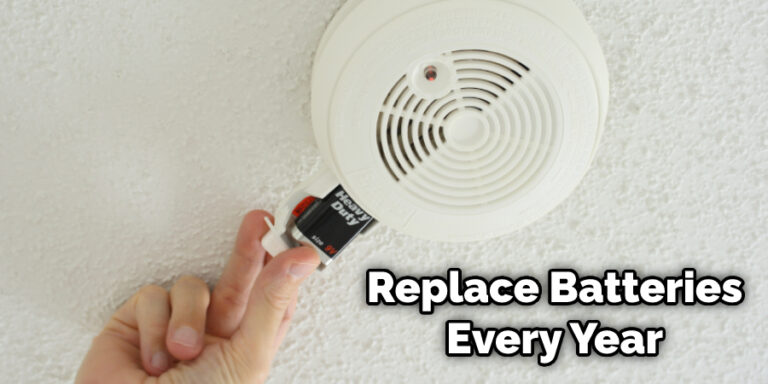
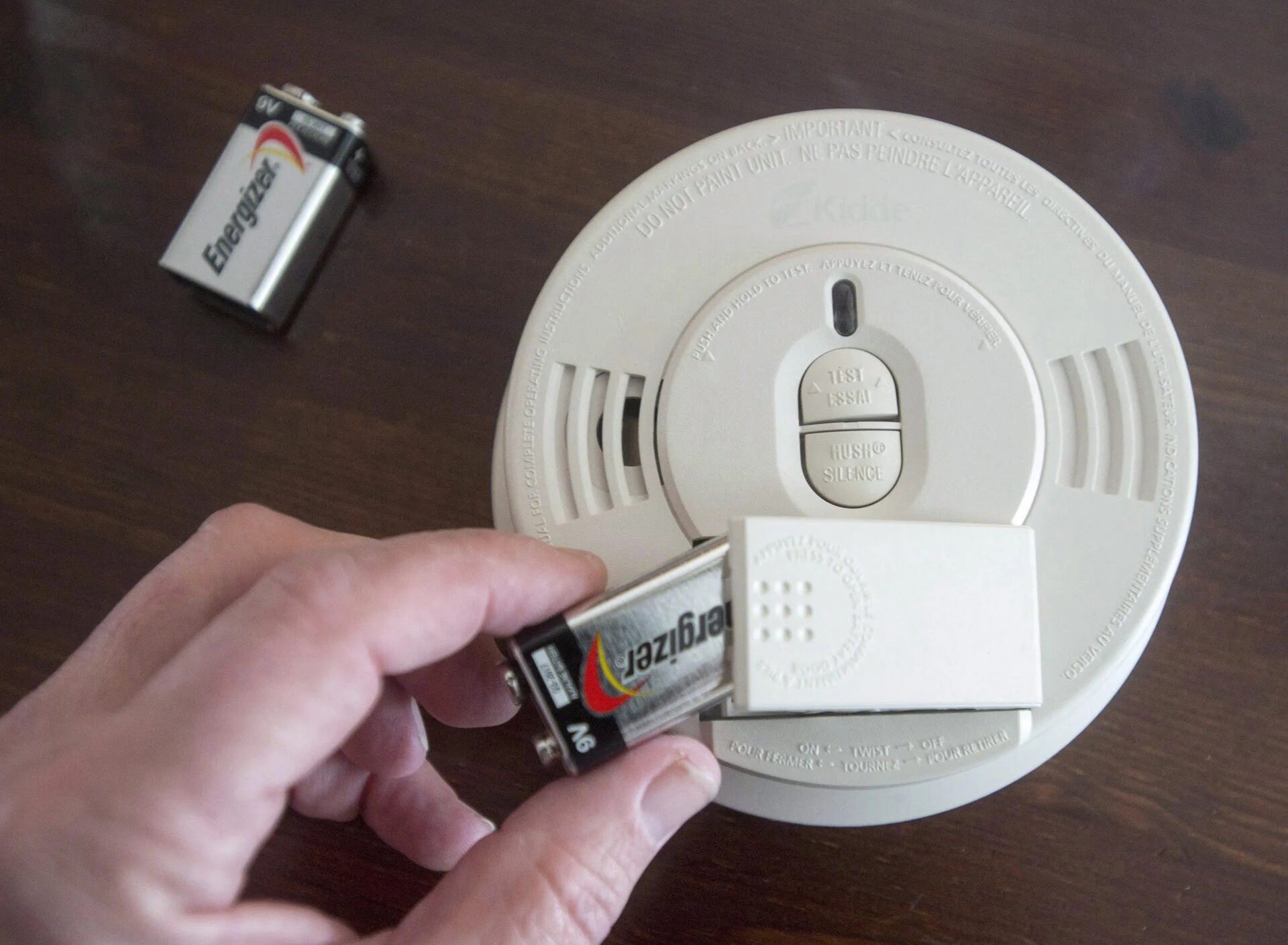
Changing the battery in your carbon monoxide alarm is one of the quickest, easiest, and most impactful things you can do for your home’s safety. It usually just involves sliding open a small compartment, popping out the old 9-volt battery (yes, often that classic rectangular one!), and snapping in a fresh one. Sometimes it's a couple of AAAs. Easy peasy!

It takes literally minutes. Less time than it takes to brew a cup of coffee. Less time than scrolling through five Instagram posts. And yet, in those few minutes, you’re doing something incredibly profound. You’re not just swapping a battery; you’re re-energizing your family’s safety net.
You’re giving your invisible guardian its strength back, so it can continue to stand watch against that sneaky, undetectable threat. It’s a small act with a massive payoff: peace of mind.
The Satisfying Silence
Ah, the silence! After the incessant chirping, that moment when you snap in the new battery and the alarm tests itself with a reassuring, full-powered "BEEP!" (not the low-battery kind), followed by silence, is truly glorious. It’s a moment of accomplishment. A small win for the day.
You’ve conquered the chirp. You’ve maintained your home's vital defense system. You’ve empowered your little hero. And all it cost was a few minutes and a couple of bucks. Pretty cool, right?
So, the next time that insistent chirp breaks the silence, don't just groan. Take a moment to appreciate the amazing technology and the critical job that little box is doing. It’s not just annoying; it’s a clever, persistent reminder that your home’s guardian needs a snack. Go ahead, give it that fresh battery. Your peace of mind (and your household's safety) will thank you.
Maybe even take a quick look around your home. When was the last time you checked your smoke alarms too? They often use the same battery types and could probably use a refresh! It's all part of keeping your personal sanctuary, well, sanctuary-like.