
Renewable Resources And Nonrenewable Resources List
Hey everyone! Ever wonder where all the stuff we use comes from? Like, seriously, EVERYTHING? From the electricity powering your phone to the plastic in your toothbrush – it all originates somewhere. And that "somewhere" usually involves resources, the goodies our planet provides. But not all goodies are created equal, right?
Renewable vs. Nonrenewable: The Great Resource Showdown
So, let's break it down. We've got two main categories: Renewable resources and Nonrenewable resources. What's the big difference? Well, it's all about how quickly they bounce back.
Think of it like this: imagine you have a jar of cookies. Renewable resources are like a magical jar that refills itself overnight. Nonrenewable resources? That's your standard cookie jar. Once they're gone, they're GONE...or at least, they'll take millions of years to replenish!
Must Read
Renewable Resources: The Sustainable Superstars
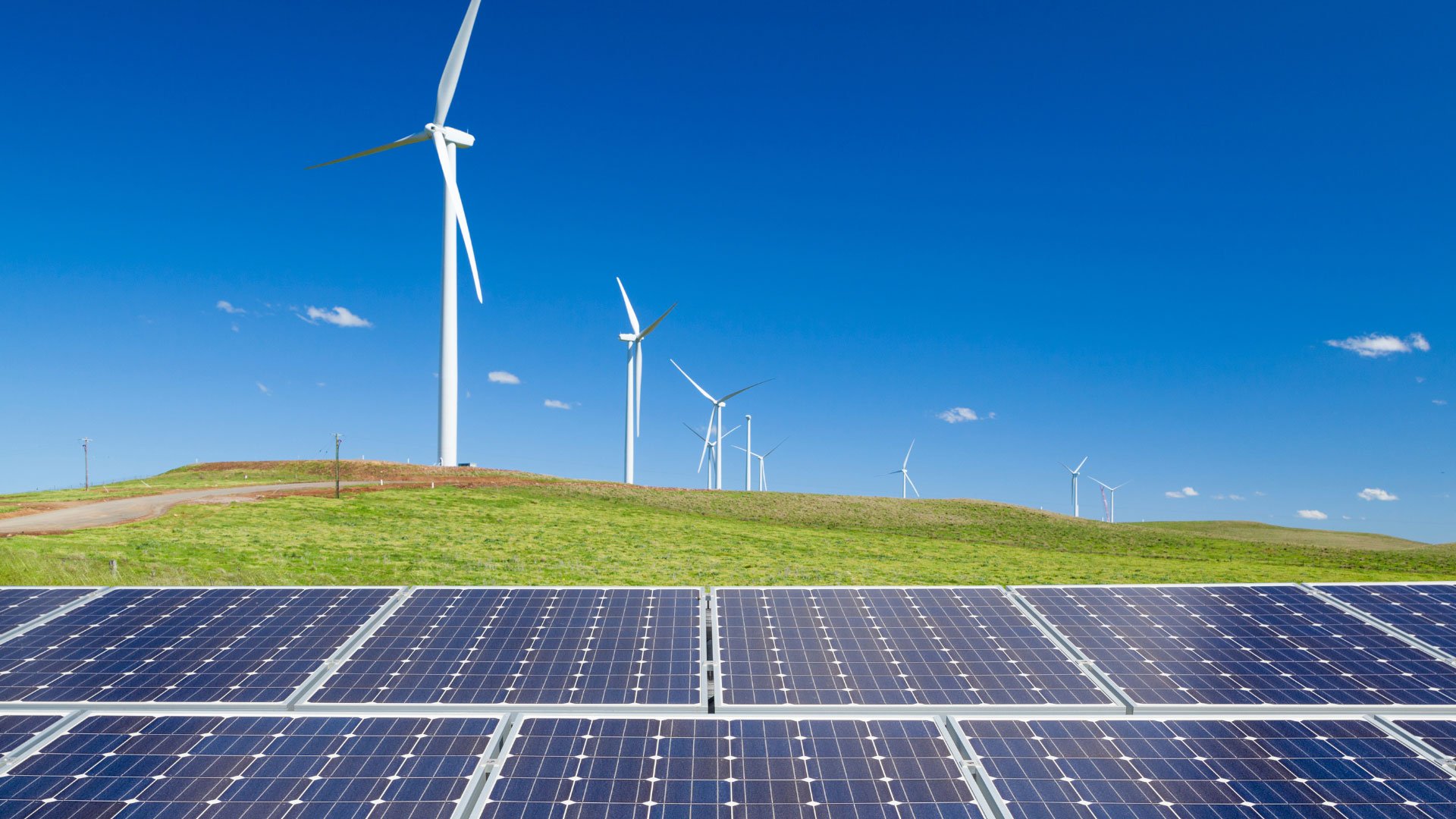
Okay, let's dive into the realm of renewable resources. These are the rockstars of the resource world. They replenish themselves naturally, at a rate comparable to our consumption. Pretty cool, huh? Think of them as Earth's endless supply… with a few caveats, of course.
Here's a quick list of some renewable resource champs:
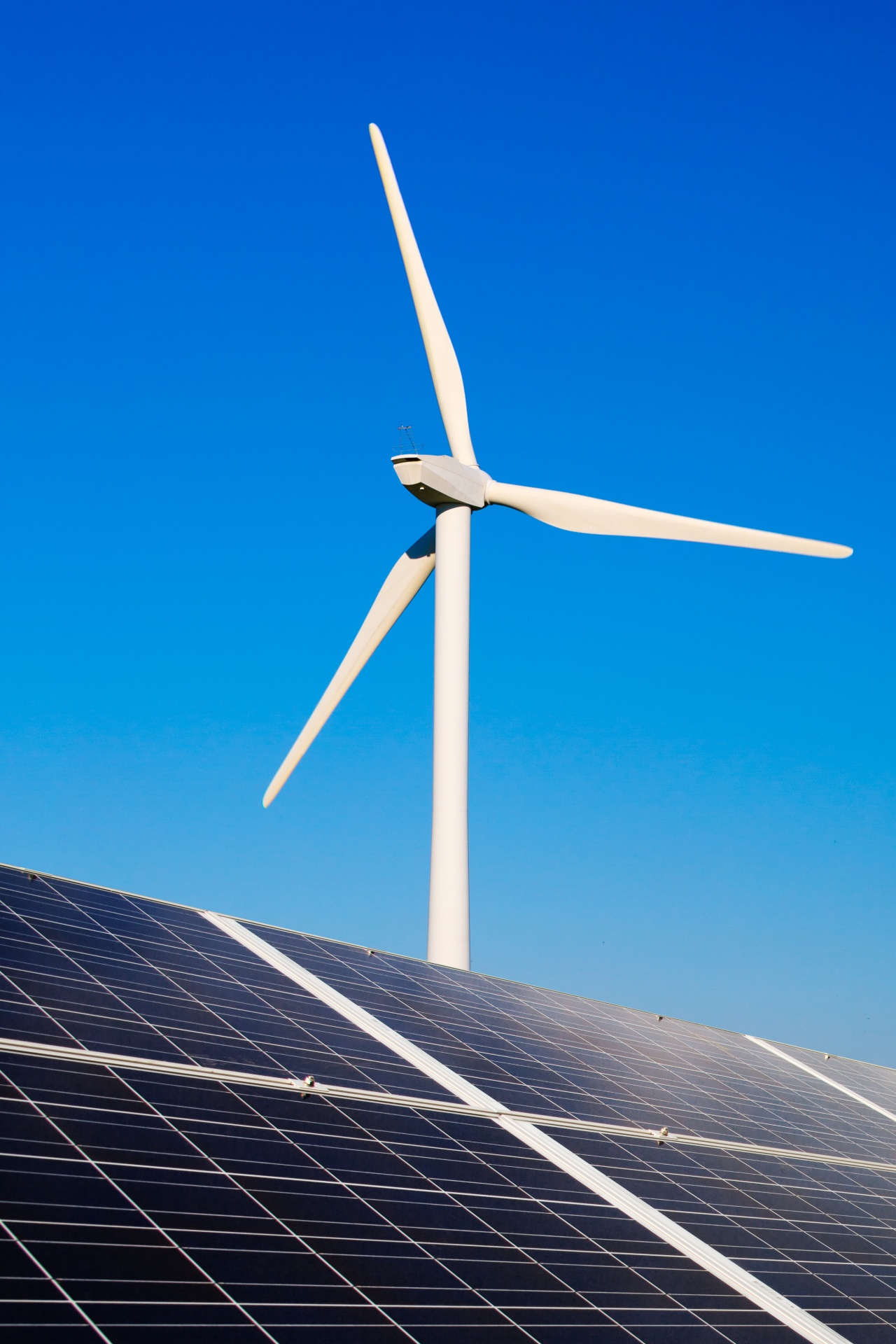
- Solar Energy: Harnessing the power of the sun. It’s literally a giant nuclear reactor in the sky!
- Wind Energy: Turning wind into electricity. Think windmills, but much bigger and more sophisticated.
- Hydropower: Using the energy of flowing water. Dams are the classic example.
- Geothermal Energy: Tapping into the Earth's internal heat. It's like having a giant radiator under our feet.
- Biomass Energy: Burning organic matter (like wood, crops, or even waste). Kinda old-school, but still viable.
These resources are awesome because they’re (relatively) sustainable. That means we can use them without completely depleting them. However, even renewable resources have their drawbacks. Solar panels and wind turbines require land and materials to build. Hydropower can impact ecosystems. It's all about finding the right balance, isn’t it?
The coolest part? These resources are getting cheaper and more efficient all the time! Talk about a win-win.
Nonrenewable Resources: The Finite Fellas
Now, let’s shift gears to nonrenewable resources. These are the ones we need to be a bit more careful with. Why? Because once they're used up, they're gone (at least within a human timeframe). They take geological timescales to form – think millions of years!
Here’s a roster of the nonrenewable resource regulars:
- Fossil Fuels (Coal, Oil, and Natural Gas): These are the energy giants, formed from the remains of ancient plants and animals.
- Nuclear Fuels (Uranium): Used in nuclear power plants to generate electricity.
- Minerals (Gold, Silver, Copper, Iron): Essential for everything from electronics to construction.
These resources have powered our world for centuries, fueling industries and driving technological advancements. They're incredibly energy-dense and relatively easy to extract (at least, some of them are). But here's the catch: burning fossil fuels releases greenhouse gases, contributing to climate change. Mining can damage ecosystems. It's a complex issue with no easy answers.
Think of it like this: using nonrenewable resources is like spending your savings account. You can enjoy the benefits now, but eventually, the money runs out. What happens then?
Why Should We Care?
So, why does all this matter? Why should we care about renewable vs. nonrenewable resources? Well, it's simple: our future depends on it! Sustainable living is the name of the game. If we continue to rely heavily on nonrenewable resources, we risk depleting them and causing irreparable damage to our planet.
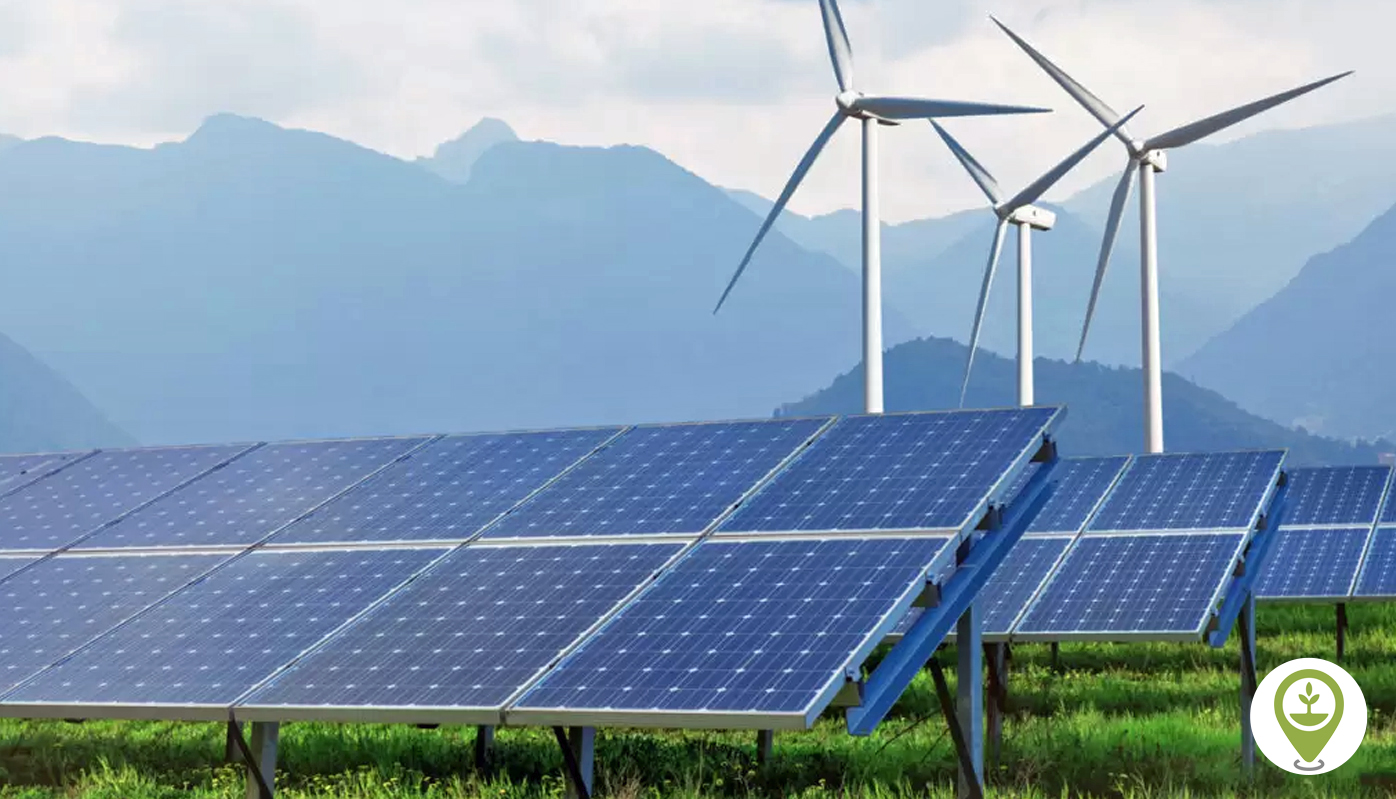
Switching to renewable energy sources, conserving resources, and developing innovative technologies are crucial steps towards a more sustainable future. It’s not just about saving the planet (although that’s a pretty big deal!), it’s also about creating a more secure and prosperous future for generations to come.
Think about it: investing in renewable energy is like planting a tree that will bear fruit for years to come. Using up nonrenewable resources is like cutting down that tree for a quick burst of energy. Which option sounds more appealing in the long run?
So, the next time you flip a light switch, drive your car, or use any product, take a moment to think about where it came from. Understanding the difference between renewable and nonrenewable resources is the first step towards making informed choices and building a more sustainable world. We all have a part to play!