
Remote Monitoring Systems For Seniors
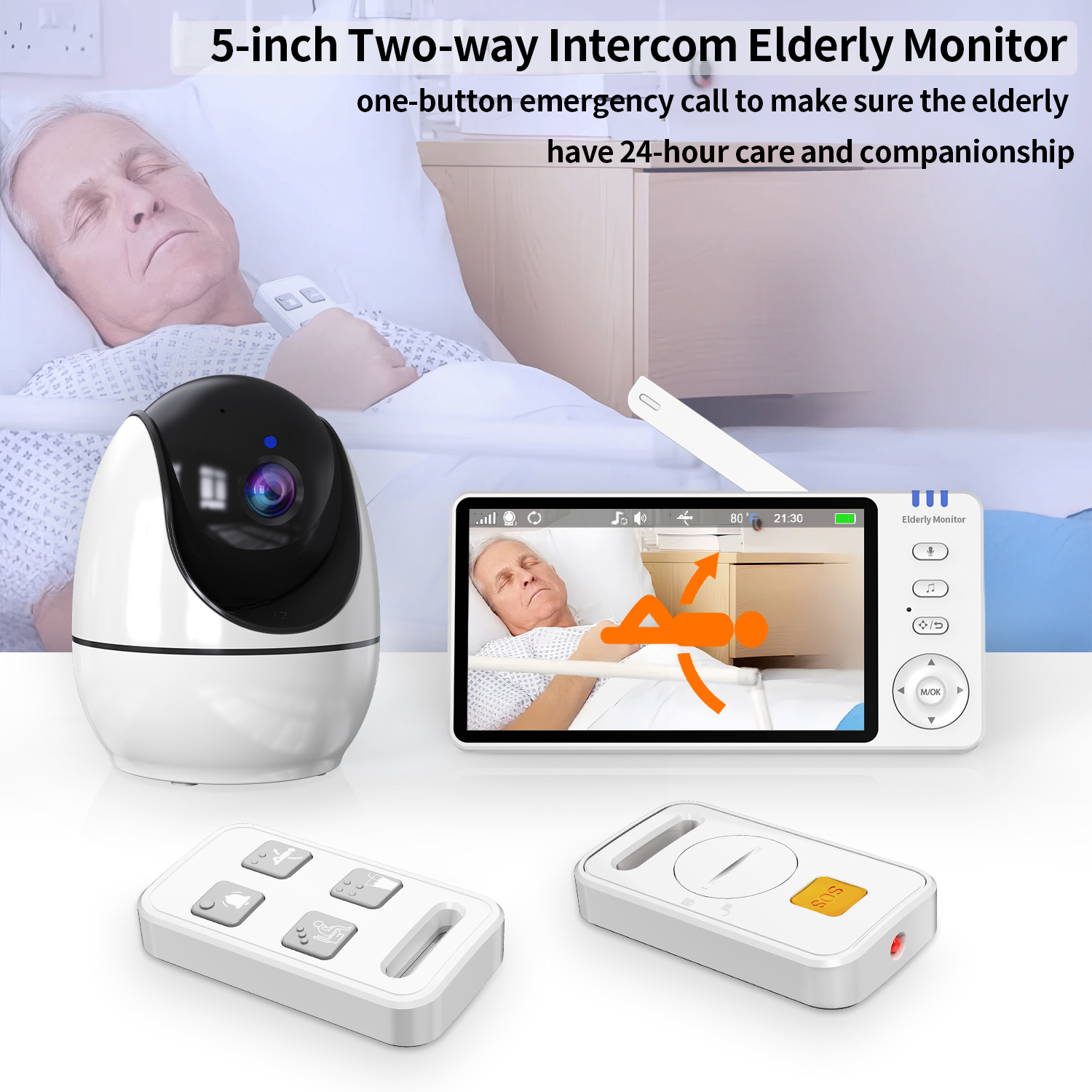
Alright, settle in, grab your imaginary latte, because we're about to talk about something that sounds like it came straight out of a James Bond movie, but for a much nobler cause than world domination: Remote Monitoring Systems for Seniors.
Now, before you picture tiny spy cameras in Grandma's fruit bowl or laser grids protecting the biscuit tin, let's clear the air. We're not talking about turning your beloved elders into contestants on a permanent reality TV show. This is about peace of mind, a little digital guardian angel, and frankly, some pretty clever tech that lets our seniors keep their independence while we keep our sanity.
Think about it. We all worry. Did Dad remember his meds? Is Mom okay after her fall last week? Did Aunt Carol really just decide to take up competitive skateboarding at 3 AM? (Okay, maybe not that last one, but the worry is real, right?)
Must Read
What Are These Gadgets, Anyway? (And No, They're Not Mind-Reading Hats)
At its heart, a remote monitoring system (RMS) for seniors is a collection of smart, often invisible, sensors designed to keep an eye on things without being intrusive. Imagine little digital sentinels, not with binoculars, but with algorithms. They're usually tiny devices placed strategically around the house – often on walls, doors, or even in worn paths – that detect motion, temperature, open doors, and even falls.
One of the coolest, and frankly, most surprising facts about these systems is that many of them are non-visual. That's right. No cameras! We’re talking about sophisticated motion sensors that detect patterns, not people. It’s like having a highly observant, super-polite butler who notices if you haven't been to the kitchen for your usual cuppa by noon, but never actually sees you in your pajamas. Glorious, isn't it?

These systems are clever clogs. They can tell if a door has been opened unexpectedly, if there’s been a significant change in activity levels (say, if Grandpa usually ambles about but suddenly hasn't moved for hours), or – and this is a big one – if a fall has occurred. And here’s the kicker: they then send an alert, usually to your smartphone. It’s like getting a text that says, "Hey, your dad just achieved Level 10 couch potato status for an unusually long period, might wanna check in!"
The Magic of "Normal" and The Case of the Disappearing Biscuit
Many advanced RMS learn the senior’s typical routines over time. This is where the real magic happens. It's not about constant surveillance; it's about detecting deviations from the norm. If your grandma always makes tea at 7 AM, the system learns that. If one day she hasn't by 10 AM, it might gently nudge you. It's less "Big Brother" and more "Helpful Cousin AI."

Take motion sensors, for instance. They can be placed in high-traffic areas. If Mom usually walks to the kitchen several times a day but hasn't moved much from the living room since breakfast, the system flags it. It's not tracking her every step like a bloodhound after a biscuit thief, but noticing a significant change that might indicate an issue. No more calling every hour to ask, "Did you remember to eat?" only to get a gruff, "Yes, dear, for the fifteenth time!"
And then there's fall detection. This isn't just a panic button (though those are great too!). Some systems use subtle sensors to detect the impact and pattern of a fall, differentiating it from, say, dropping the remote control or doing an impromptu yoga pose. Imagine the relief: instead of finding out hours later, you get an immediate alert. It’s like having an invisible safety net, only without the embarrassing circus costume.
Why We Love Them (Beyond the High-Tech Coolness)
First off, peace of mind. For family caregivers, this is gold. You don't have to be physically present 24/7 or constantly calling, feeling like you're pestering. The system acts as your extra set of eyes and ears, silently advocating for your loved one's safety.

Secondly, increased independence for seniors. This is huge! Knowing there's a safety net allows them to stay in their own homes longer, with dignity and confidence. They're not being constantly checked up on; they're being supported. It means fewer forced moves to assisted living facilities simply because of safety concerns.
And let's not forget the early detection of issues. Whether it's a fall, an unusual change in routine that signals illness, or even an open door late at night, early alerts can make all the difference, potentially preventing more serious problems or ensuring quicker intervention.

There are even systems that monitor environmental factors! Imagine one that detects extreme temperature changes, alerting you if the heating fails in winter or the AC dies in summer. It’s not just about Uncle Fred wandering off; it’s about making sure his environment isn’t trying to turn him into a human icicle or a permanent resident of a sauna.
So, Is It Like Having a Robot Butler Who Doesn't Judge Your Snack Choices?
Pretty much! These systems are not about invasion; they're about innovation that fosters a better quality of life for seniors and reduces stress for their families. They empower our elders to live independently, knowing that if something unexpected happens, help is just an alert away.
It's about transforming worry into watchful care, allowing our loved ones to enjoy their golden years with a bit more freedom, and us to enjoy our coffee with a bit less anxiety. So, the next time you're fretting, remember these clever little digital helpers. They're like that wonderfully discreet friend who always has your back, even when you're trying to figure out if your grandma finally downloaded TikTok.