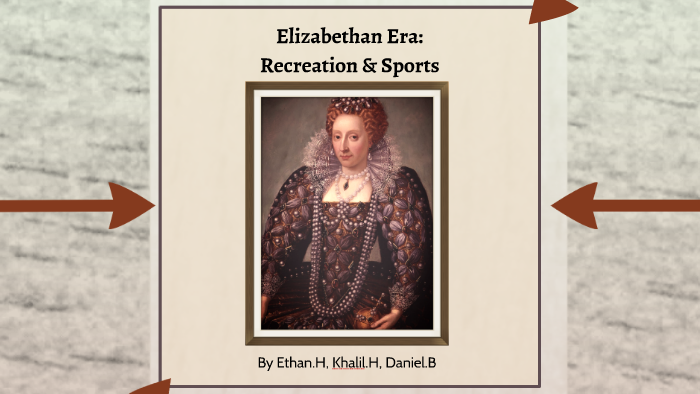
Recreation And Sports In The Elizabethan Era
Okay, picture this: it's a Saturday afternoon, late 1500s. You're dodging mud puddles in London, trying to avoid the stench of, well, everything. Suddenly, a crowd roars. You peek around a corner and see… bear-baiting. Yeah, you heard me right. A bear chained to a post, being attacked by dogs. Charming, isn't it? That, my friends, was recreation in the Elizabethan era. A far cry from Netflix and chill, wouldn't you say?
So, let’s dive into the world of Elizabethan recreation and sports. It wasn’t all bear-baiting (thank goodness!), but it definitely offers a fascinating glimpse into their lives and values. Prepare for some surprises! (And maybe a little bit of mild horror.)
The Social Divide: Games for the Rich and the Poor
The type of recreation you enjoyed depended heavily on your social standing. No surprise there, right? Life was really different depending on whether you were sipping wine in a manor or scrubbing floors in a tavern.
Must Read
The nobility had time and money on their hands. Think horseback riding, hunting (especially deer hunting – very posh!), hawking, and fencing. They also enjoyed more intellectual pursuits like reading, playing musical instruments (lutes were all the rage), and dancing. Oh, and let's not forget about the elaborate courtly entertainments – plays, masques, and tournaments, usually put on to impress visiting dignitaries or celebrate special occasions. Basically, a lot of showing off!
The lower classes had to make do with much simpler (and often rougher) activities. Things like football (a far cry from the modern game – think more chaotic brawl), wrestling, skittles (like bowling), and cockfighting were popular. These activities often involved a lot of drinking and gambling, which, let’s be honest, probably made the whole mud and stench thing a little more bearable. Side note: Did you know gambling was a widespread obsession, regardless of social class? Everyone was betting on something.

Popular Pastimes and Spectator Sports
Bear-baiting, as we’ve already established, was a hugely popular spectator sport. Seriously, people flocked to these events. It seems unbelievably cruel now, but it was considered perfectly normal back then. You can't judge the past with today's morals, I guess.
Cockfighting was another crowd-pleaser. Again, not exactly animal-friendly. It involved two roosters fitted with metal spurs battling to the death. Cheerful stuff.
But it wasn’t all blood and guts! Theater was incredibly popular across all social classes. Shakespeare, Marlowe, Jonson – these were the rock stars of their day. The Globe Theatre was a buzzing hub of entertainment, with people from all walks of life crammed together to watch the latest plays. Imagine the mingling! (And the smells...)
Games and Activities: More Than Just Fun
Recreation wasn't just about having a good time (although that was definitely part of it!). Many activities served a practical purpose. For example, archery was not only a recreational pursuit but also a crucial skill for defense. Men were expected to practice archery regularly, just in case England needed to fend off another invasion.
Hunting, for the nobility, was also a way to maintain their physical fitness and display their prowess. Plus, it provided them with food, obviously! See? Practical AND fun.
Changes and Influences
The Elizabethan era was a time of significant social and cultural change, and these changes influenced recreational activities. The rise of the merchant class meant that more people had access to leisure time and money. This led to a greater demand for entertainment and a wider variety of recreational options. The growing influence of the Renaissance also brought about a renewed interest in classical learning and the arts, which, as noted previously, was predominantly practiced by the upper classes.
So, there you have it: a whirlwind tour of recreation and sports in the Elizabethan era. From the gruesome (bear-baiting) to the glorious (Shakespeare), it was a time of stark contrasts and surprising similarities to our own entertainment landscape. Maybe next time you're bored, skip the streaming service and try… well, maybe not bear-baiting. But perhaps a game of skittles? Or a little lute music? Okay, maybe just stick with the streaming service. But at least you'll have a new appreciation for how good we have it!