
Ramos Et Al V Zoominfo Technologies

Ever heard of ZoomInfo? Maybe you’ve gotten an email from someone trying to sell you something, and you noticed their company uses it. It's basically a massive database of business contacts and information. But have you heard about the lawsuit, Ramos et al v. ZoomInfo Technologies? Don't worry, you're not alone! It sounds intimidating, right? But stick with me, because there’s some seriously interesting stuff going on here, and it touches on things that affect practically everyone online.
So, what's the deal? In a nutshell, this lawsuit is about data privacy. Remember that whole Cambridge Analytica/Facebook thing a few years back? Think of this as… well, maybe not quite that dramatic, but definitely in the same ballpark. It revolves around the question: how much information can companies collect about us without our permission? And what can they do with that information?
The Heart of the Matter: Data, Data Everywhere
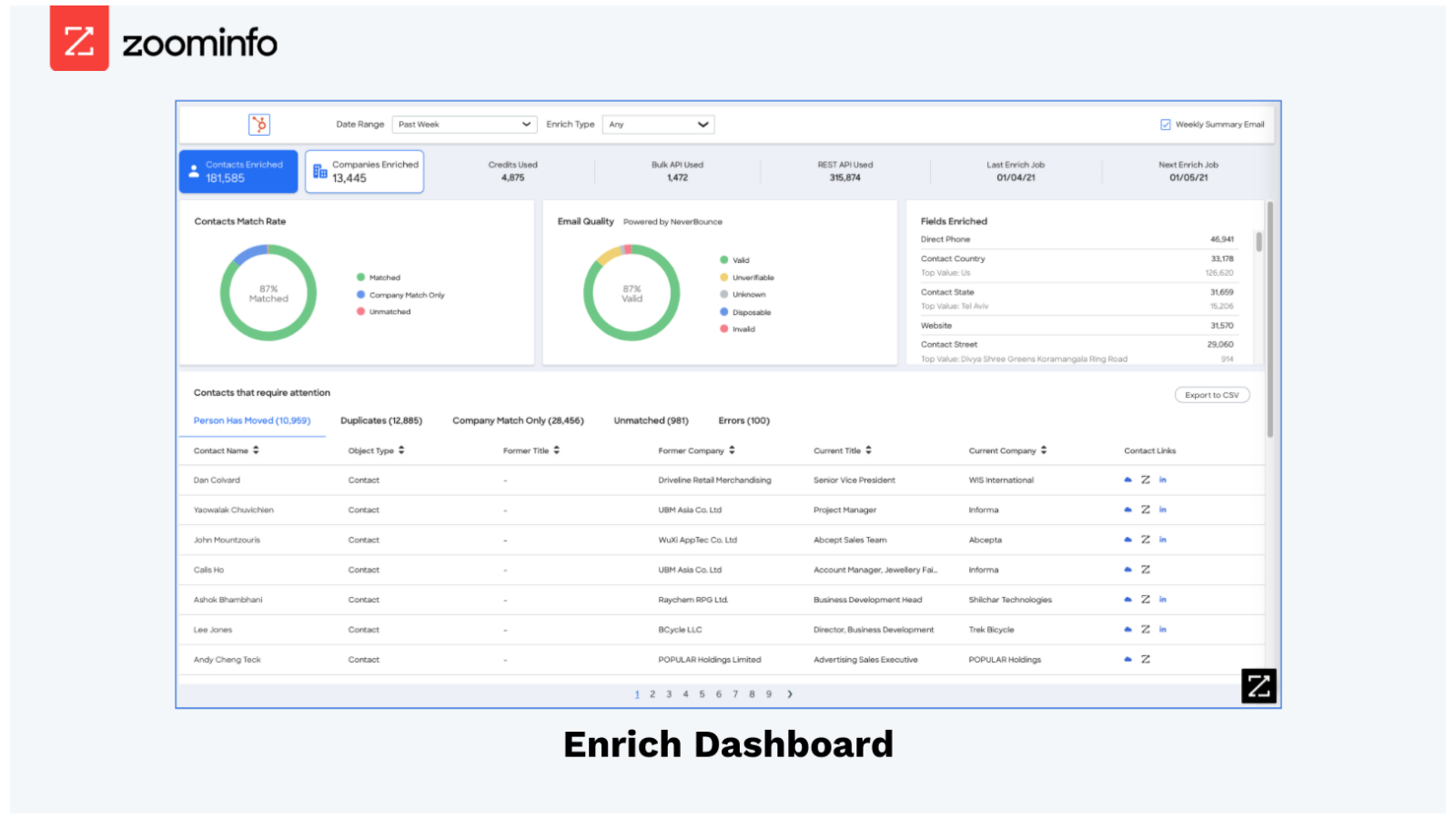
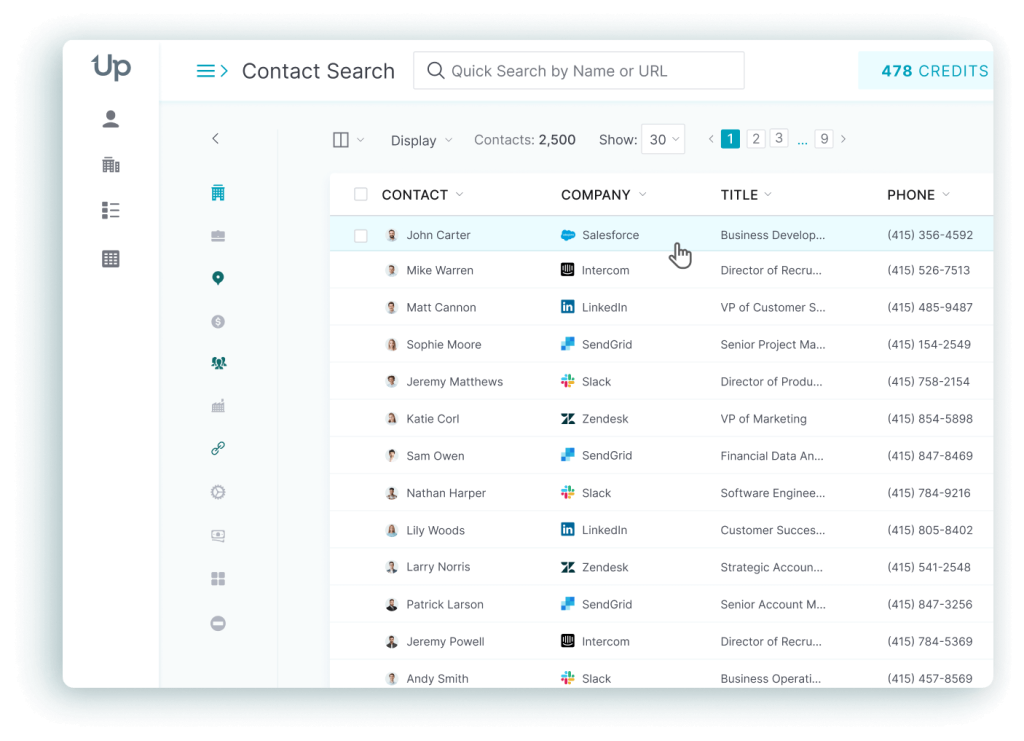
ZoomInfo collects a TON of data. We’re talking names, job titles, email addresses, phone numbers, even information about your skills and experience. They scrape it from all over the internet – websites, social media, and more. The plaintiffs in this case, Ramos et al, are essentially saying, "Hey, you can't just grab all this information about me and use it without asking!" It's like if someone went through your trash, built a profile on you, and then started selling that profile to marketing companies. Creepy, right?
Must Read
Why should we care? Well, consider this: every time you update your LinkedIn profile, write a blog post, or even just have your company website listed online, you’re potentially feeding the data beast. ZoomInfo and similar companies use this information to build detailed profiles that they then sell to businesses looking for leads. Think of it as a massive, constantly updating Rolodex – but instead of physical cards, it’s all digital, and it knows way more about you than your old Rolodex ever did.
Why is This Interesting? Beyond the Legal Jargon
Okay, legal battles can be dry. But this case is fascinating because it highlights the fundamental tension between innovation and privacy in the digital age. On one hand, companies like ZoomInfo argue they're providing a valuable service by connecting businesses and making it easier to find potential customers. They're boosting efficiency, driving sales, and fueling the economy, right?
On the other hand, individuals have a right to privacy. Do we really want companies collecting and selling our personal information without our consent? Where do we draw the line? It’s a tricky question, and Ramos et al v. ZoomInfo Technologies is helping to define that line.
It’s like that old saying: "With great power comes great responsibility." Companies that wield the power of big data have a responsibility to use that power ethically and responsibly. Should they be able to create a complete profile of you just from your public online presence? Where does "convenient business intelligence" end and "invasion of privacy" begin?

The Bigger Picture: Data Privacy in the 21st Century
This lawsuit isn't just about ZoomInfo. It's about the broader debate over data privacy in the 21st century. We're constantly generating data, and companies are constantly finding new ways to collect and use it. From targeted ads to personalized recommendations, our data is shaping our online experiences in ways we may not even realize.
Cases like Ramos et al v. ZoomInfo Technologies force us to confront these questions head-on. What are our rights when it comes to our personal data? How can we protect ourselves from unwanted data collection? And what role should the government play in regulating the data economy?
Think about it: are you comfortable with the amount of information that companies have about you? Do you know how that information is being used? This case, regardless of the outcome, is a wake-up call. It encourages us to be more mindful of our digital footprint and to demand greater transparency and control over our personal data.
So, next time you get an email from someone using ZoomInfo, maybe take a moment to think about the bigger picture. Think about the data that's being collected, the profiles that are being built, and the implications for your privacy. It’s a complex issue, but it’s one that’s worth paying attention to. Because in the digital age, data is power. And it’s important to know who has it, and how they’re using it.
