Pumping Out A Septic Tank

Alright, let's talk about a topic that might not be the typical dinner conversation starter, but is absolutely essential for anyone living with a septic system: pumping out that septic tank. Now, I know what you're thinking – "Fun? Useful? Popular?" Yes, to all three, in a certain light! While it’s definitely not a day at the beach, understanding and managing your septic system is incredibly useful, provides immense peace of mind, and is popular in the sense that millions of homeowners rely on these underground workhorses every single day. Think of it as a vital, behind-the-scenes operation that keeps your home running smoothly, quietly, and most importantly, without any nasty surprises. There's a real satisfaction in being a responsible homeowner, and this is a big part of it!
So, who benefits from knowing about this subterranean wonder? For beginners and new homeowners, wrapping your head around your septic system is a crucial step in understanding your property. It prevents costly emergencies and helps maintain your home's value. It’s part of the adulting journey for many! Families, in particular, gain tremendously by ensuring a healthy, hygienic living environment. Regular pumping prevents unsanitary backups into your home or yard, protecting your loved ones from potential health hazards and saving you from a major headache (and bill!). Even for the more proactive homeowner who loves to understand every inch of their property, knowing the ins and outs of septic maintenance means being prepared, self-sufficient, and ultimately, saving money in the long run by extending the life of your system.
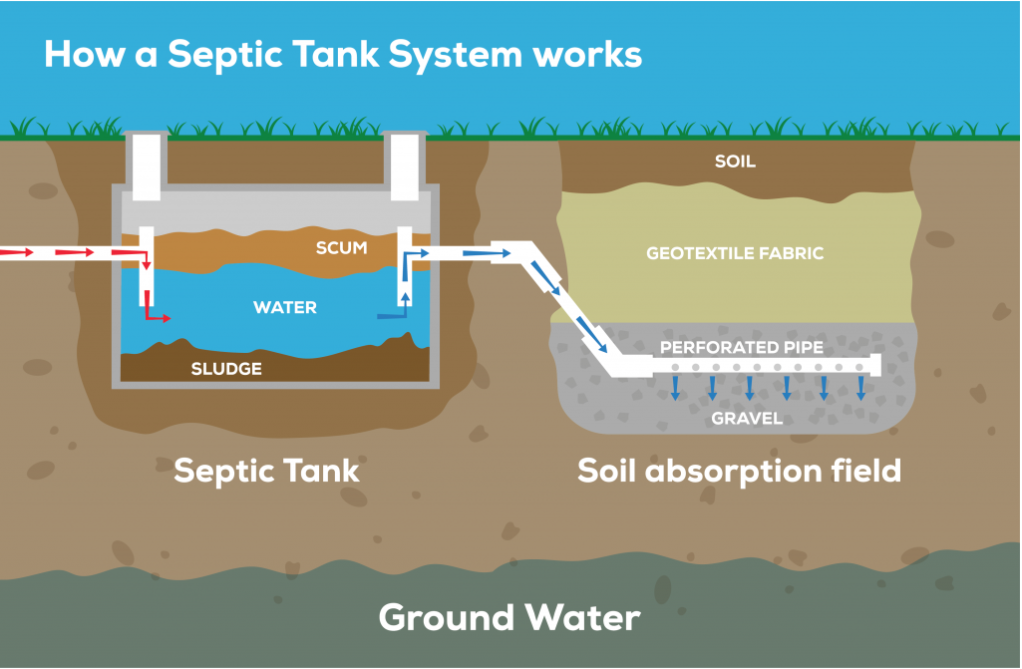
While the core act of pumping is usually handled by professionals, there are variations in how you approach the overall maintenance. For instance, the frequency of pumping depends heavily on factors like your tank's size, the number of people in your household, and your water usage habits (hello, garbage disposal!). Some systems might need attention every 3 years, while others can go 5 or more. Understanding these variables allows you to tailor a maintenance schedule that fits your specific needs. You might also encounter different types of systems – conventional, aerobic, mound systems – each with its own nuances, though the fundamental need for sludge removal remains constant. The key is knowing what kind of system you have and listening to its needs, often indicated by the professionals who service it.
Must Read
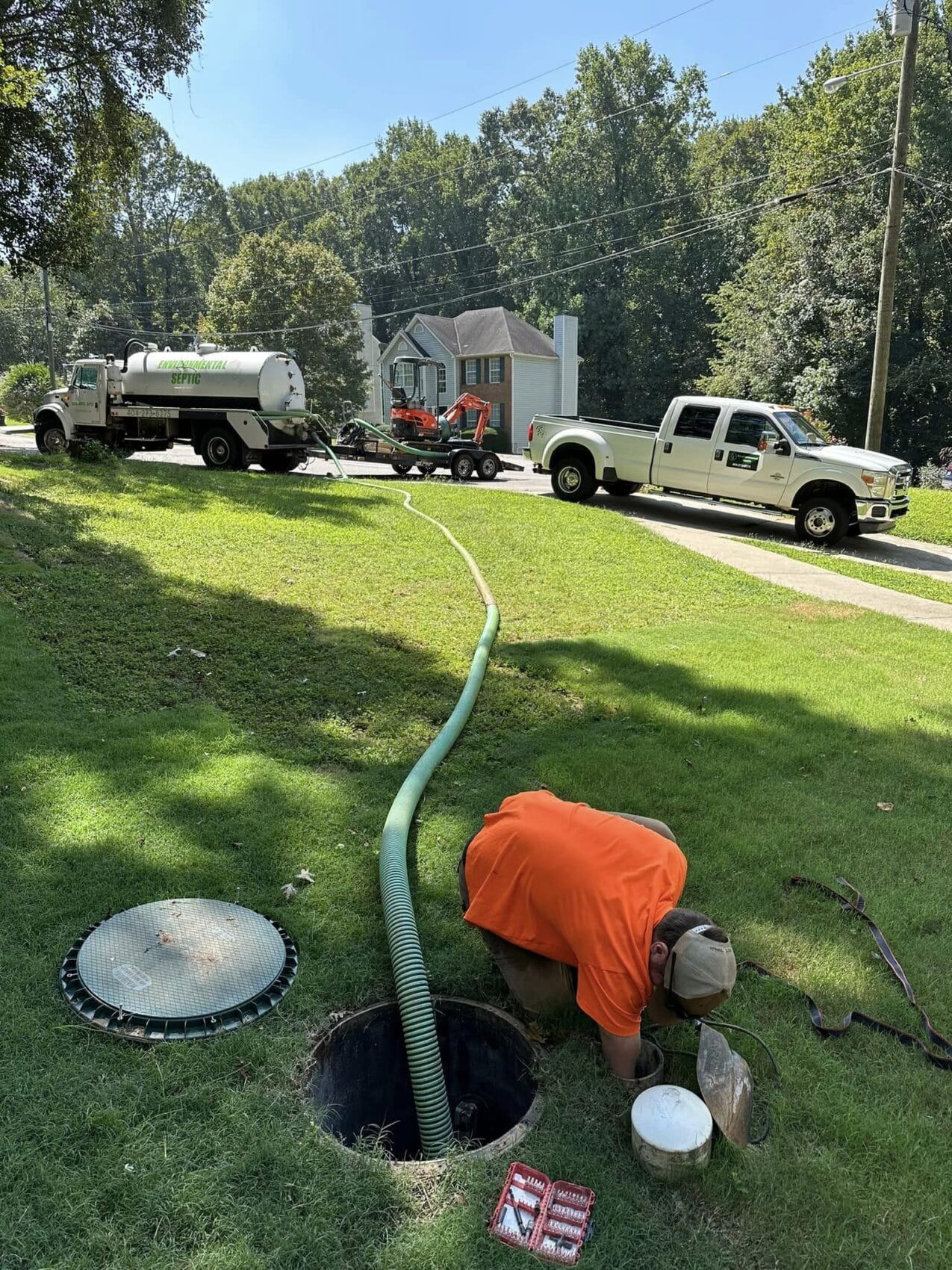
Ready to get started on your septic journey? Here are some simple, practical tips. First and foremost, do NOT attempt to pump your septic tank yourself unless you are a licensed professional. This is a job for experts due to safety and environmental regulations. Your first step should be to locate your tank and its access lid(s), if you don't already know. Then, find a reputable local septic pumping company. Ask for recommendations, check reviews, and get a quote. Schedule regular maintenance – typically every 3-5 years is a good starting point, but your pumper can advise based on their inspection. Finally, be mindful of what goes down your drains: avoid harsh chemicals, "flushable" wipes (they aren't!), excessive grease, and non-biodegradable items. This mindful approach will significantly extend the life of your system and the time between pumps!
So, while pumping out a septic tank might not be glamorous, embracing this aspect of homeownership is incredibly valuable. It’s about proactive care, financial wisdom, and maintaining a healthy living space. There's a quiet satisfaction in knowing you're keeping things running smoothly below the surface, ensuring your home remains a comfortable and trouble-free sanctuary for years to come. Cheers to responsible septic stewardship!