Pros And Cons To Wave Energy
There's something undeniably captivating about the ocean, isn't there? From gentle lapping shores to the colossal roar of a storm surge, the sheer, relentless power of waves has inspired poets, mesmerized beachcombers, and now, it's piqued the interest of ingenious minds looking for our next great energy source. Imagine harnessing that endless, rhythmic push and pull! It’s not just a pipe dream; it’s a vibrant field of innovation, and understanding it is a fascinating journey for anyone, whether you're an armchair enthusiast or just curious about the future.
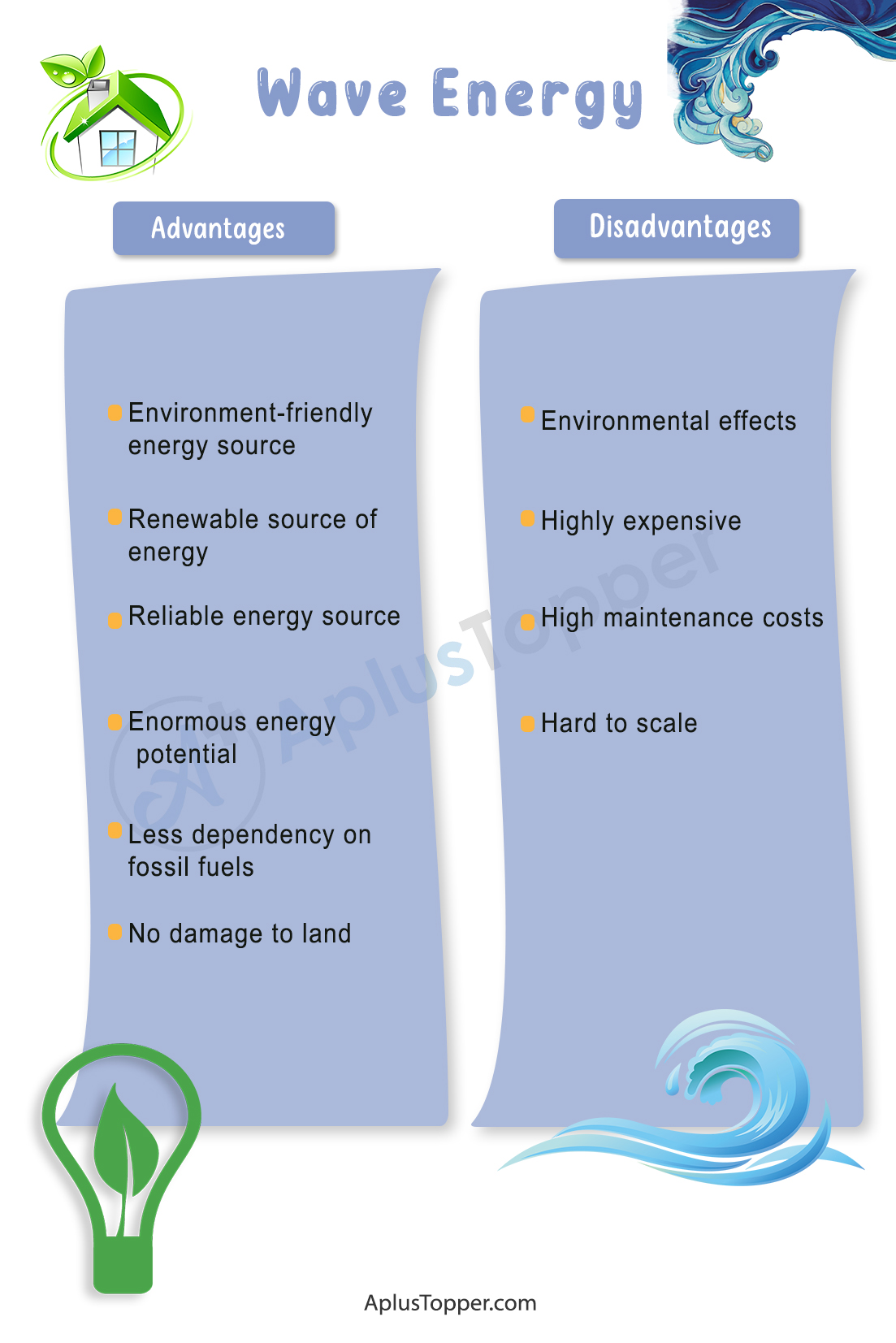
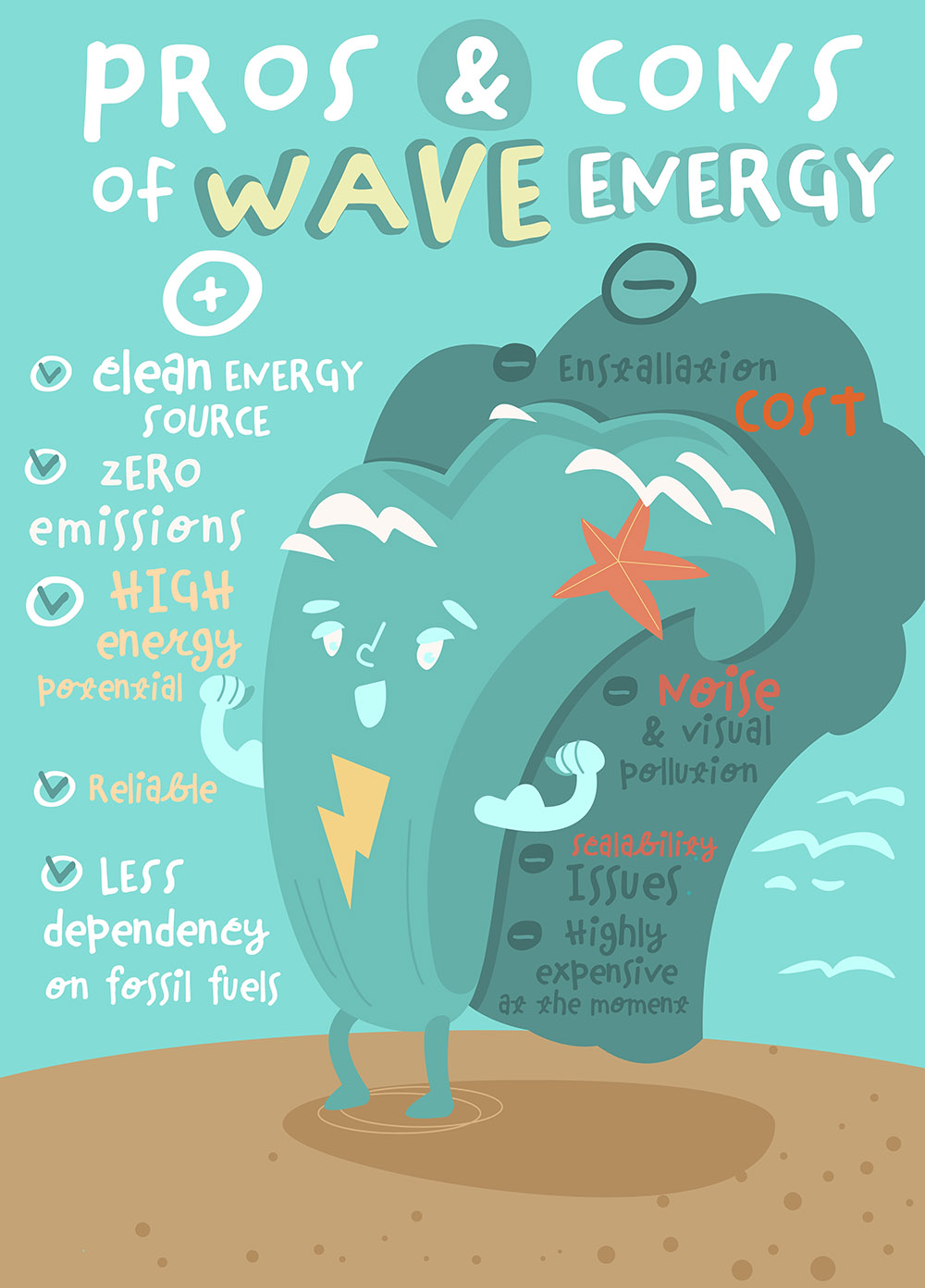
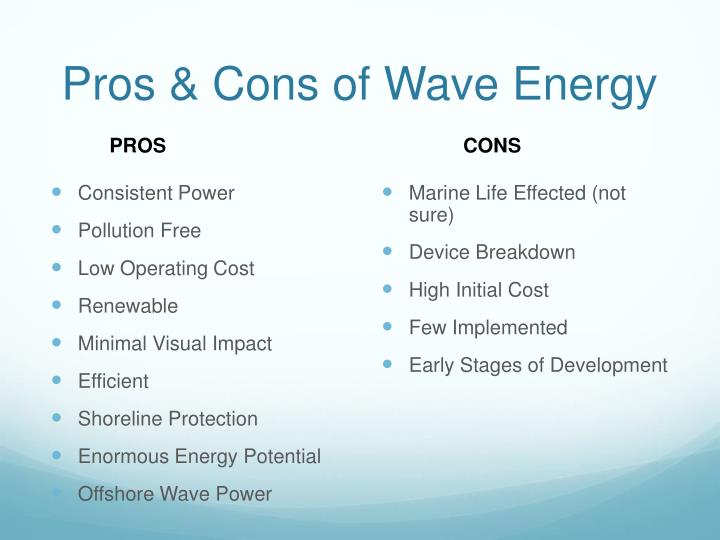
So, what are the waves of possibility, and what are the choppy waters we need to navigate? Let's dive into the pros and cons of wave energy. On the bright side, wave power is incredibly appealing. Firstly, it's an absolutely clean, renewable energy source. Unlike fossil fuels, it doesn't pollute our atmosphere or contribute to climate change. Plus, waves are remarkably predictable; we can often forecast wave heights and energy output days in advance, offering a more consistent power supply compared to the intermittent nature of solar or wind. For the artist or hobbyist, the very concept of capturing the ocean’s breath can be a wellspring of inspiration – from designing futuristic ocean cities to crafting kinetic sculptures that mimic wave action. For the casual learner, it's a chance to explore marine engineering, physics, and ecology all at once!
However, no journey is without its challenges. The cons of wave energy are significant and require clever solutions. One major hurdle is the harsh marine environment itself. Saltwater is notoriously corrosive, and powerful storms can easily damage delicate machinery. This translates to high construction, maintenance, and repair costs, making wave energy currently more expensive than established renewables. There's also the potential impact on marine ecosystems and navigation. Designing devices that don't harm marine life or interfere with shipping lanes is crucial. You might see devices like "point absorbers" that bob like buoys, "oscillating water columns" that trap air with rising and falling water, or "overtopping devices" that funnel waves into reservoirs – each with its own set of environmental considerations and engineering complexities.
Must Read
Thinking about how you can explore this at home? While building a full-scale wave farm might be a bit ambitious for your living room, there are plenty of ways to engage! For the budding engineer, try building a simple model in a bathtub or kiddie pool using a small motor and a bobbing float to simulate energy generation. For the artist, let the ocean's patterns inspire your next painting or sculpture, or delve into photography of coastal landscapes. For the curious learner, dedicated websites and documentaries offer a fantastic deep dive into the technology. Even a trip to the coast, observing the sheer power and rhythm of the waves, can be an incredibly insightful and inspiring experience.
Ultimately, exploring wave energy is immensely enjoyable because it taps into our innate curiosity about nature's power and our desire for a sustainable future. It's about seeing the ocean not just as a beautiful backdrop, but as a dynamic partner in powering our world. The journey to fully harness its potential is ongoing, filled with challenges and triumphs, offering endless opportunities for learning, creativity, and a hopeful glimpse into what our world could become.