
Pros And Cons Of The Paris Climate Agreement
-800x447.png)
Hey there, earthlings! Ever feel like you're stuck in a never-ending rom-com with the planet? Will we or won't we commit to saving the environment? Well, let's talk about a pretty important plot point: the Paris Climate Agreement. It's a big deal, but don't worry, we'll break it down without the doom and gloom. Think of it as your climate cliff notes – fun, informative, and maybe even a little inspiring!
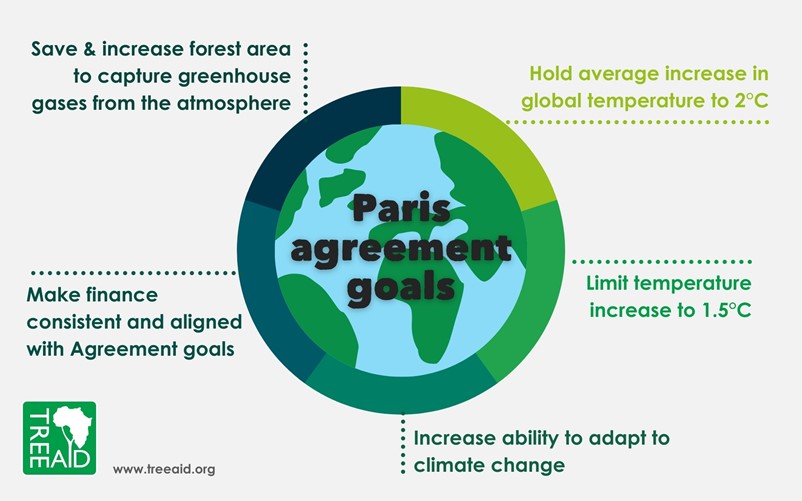
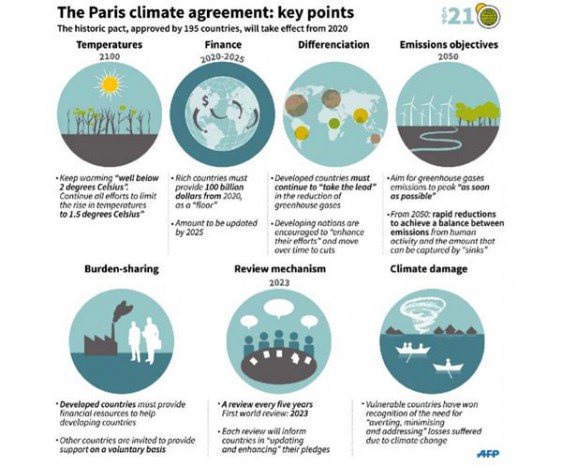
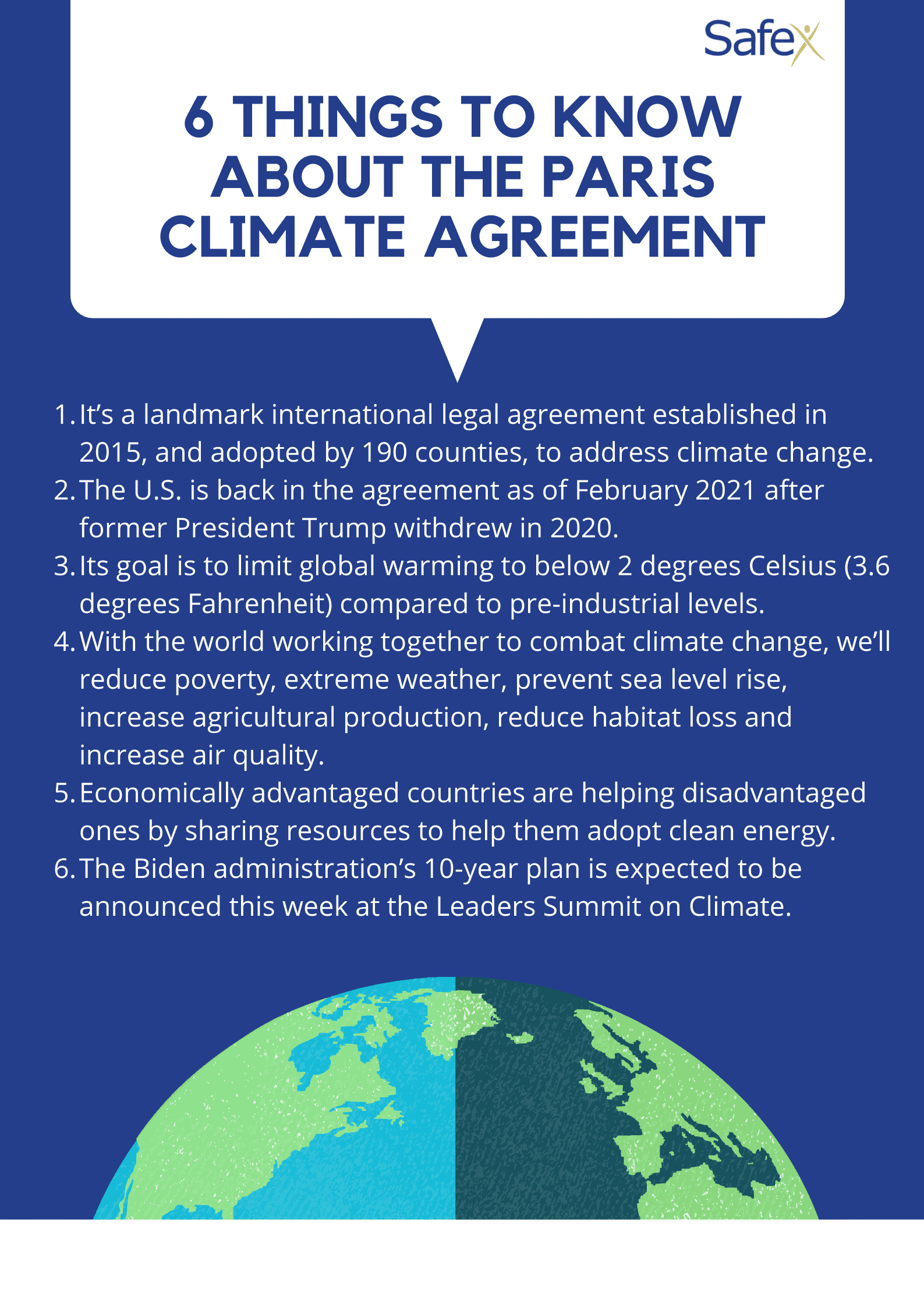
So, what exactly is this agreement? In a nutshell, it's a legally binding international treaty on climate change. Nearly every nation on Earth (with a few notable exceptions at times – you know, drama!) agreed to try and limit global warming to well below 2 degrees Celsius, preferably to 1.5 degrees Celsius, compared to pre-industrial levels. Ambition! Goals! The stuff of heroes, right?
The Good Stuff: Pros of the Paris Agreement
Let's start with the sunshine and rainbows, shall we?
Must Read
A United Front: One of the biggest wins is simply the agreement itself. Think about it: almost every country on the planet saying, "Hey, this climate thing is serious, and we need to work together!" That's a powerful statement. It creates a framework for global cooperation and accountability. Imagine trying to bake a cake with everyone using a different recipe – chaos! The Paris Agreement provides a (mostly) unified recipe.
National Contributions: Each country gets to determine its own "Nationally Determined Contributions" (NDCs). That sounds complicated, but it just means each country sets its own goals for reducing emissions, based on its own capabilities and circumstances. This allows for flexibility and acknowledges that not everyone starts from the same place. It's like a global talent show where everyone brings their unique climate-fighting skill!
Technology and Innovation: The agreement encourages the development and sharing of clean technologies. Think solar power that's cheaper than fossil fuels, super-efficient electric cars, and maybe even those flying cars we were promised (okay, maybe not the flying cars, but you get the idea!). This drives innovation and creates new economic opportunities. Who doesn't love a little technological wizardry to solve our problems?

Increased Awareness: The Paris Agreement has definitely raised awareness about climate change. It's no longer a fringe issue; it's front and center in political discussions, business strategies, and even everyday conversations. And awareness is the first step towards action! You're reading this article, aren't you? Proof positive!
Financial Assistance: Developed countries pledged to mobilize $100 billion per year by 2020 to help developing countries adapt to climate change and transition to cleaner energy sources. While the actual delivery of these funds has been… a work in progress (more on that later!), the commitment is a crucial step towards climate justice.
Okay, Let's Be Real: Cons of the Paris Agreement
Now for the not-so-sunny side. No agreement is perfect, and the Paris Agreement has its critics. Let's put on our slightly more cynical hats for a moment (but don't worry, we'll ditch them soon!).
Non-Binding Targets: While the agreement is legally binding, the specific emissions reduction targets are not. This means countries aren't legally obligated to meet their NDCs. It's like promising to clean your room but not having your mom actually check. Oops! This lack of enforcement power is a major concern for some.
Insufficient Ambition: Even if all countries met their current NDCs, it's widely believed that it wouldn't be enough to limit warming to 1.5 degrees Celsius. We need more ambitious goals, faster action, and a lot more effort. Think of it as needing to sprint a marathon – not just jog!
Financial Shortcomings: The $100 billion pledge hasn't always materialized as quickly or effectively as promised. Developing countries need financial assistance to transition to clean energy and adapt to the impacts of climate change, and delays in funding can hinder their progress.
Country Withdrawal: The possibility of countries withdrawing from the agreement (like the US briefly did) undermines its effectiveness and sends a negative signal to the rest of the world. It's like one person dropping out of a team project at the last minute – frustrating for everyone else!
Implementation Challenges: Turning pledges into concrete actions is hard work. It requires policy changes, technological innovation, and a willingness to disrupt the status quo. And, well, change is never easy, is it?
So, What Now?
Okay, we've navigated the good, the bad, and the slightly complicated. The Paris Climate Agreement is a starting point, not the finish line. It's a framework for international cooperation, but it requires constant improvement, increased ambition, and unwavering commitment.
It's like planting a seed. The agreement is the seed, but it needs water, sunlight, and fertile ground (that's us!) to grow into something strong and impactful.
Don't feel overwhelmed! You don't have to solve climate change single-handedly. But you can make a difference. Learn more, talk to your friends and family, support businesses and policies that promote sustainability, and let your voice be heard. Even small actions, when multiplied by millions, can create a tidal wave of change!
Ready to dive deeper? There are tons of resources out there – websites, books, documentaries, and more. Educate yourself, stay informed, and get involved. The future of our planet (and all those epic rom-com plot twists) depends on it! Go forth and be awesome!