Pros And Cons Of Hydroelectric Power Energy

Okay, let's talk about hydroelectric power! You might be thinking, "Electricity? Dams? Sounds boring!" But trust me, understanding where our energy comes from is actually pretty fascinating, and knowing the pros and cons of different sources helps us make informed decisions about the future. Plus, hydroelectric power is a big player in the energy world, so understanding it is super useful, especially if you're curious about sustainable energy.
So, what's the deal? Hydroelectric power, or hydropower, uses the energy of moving water to generate electricity. Think of it like a giant water wheel, but instead of grinding grain, it spins a turbine that's connected to a generator. Simple, right? Now, let's dive into the good stuff.
For beginners, the most important thing to understand is that hydropower is a renewable energy source. The water cycle constantly replenishes rivers and lakes, so we won't run out of the "fuel" anytime soon. It's also relatively clean compared to fossil fuels like coal and oil. That means less pollution and a smaller impact on climate change. Plus, hydropower plants can start up and shut down quickly, making them valuable for balancing the grid when demand fluctuates.
Must Read
For families, think of the recreational opportunities dams create! Many reservoirs offer boating, fishing, and swimming. Dams can also help with flood control and irrigation, benefiting local communities. However, it's also important to understand the environmental impact. Dams can disrupt fish migration, alter river ecosystems, and displace communities when reservoirs are created. It's a balancing act!
For hobbyists, you might be interested in micro-hydro systems. These small-scale power plants can generate electricity for a single home or small community, using the natural flow of a stream or river. It's a great way to become more energy independent and learn about renewable energy firsthand.
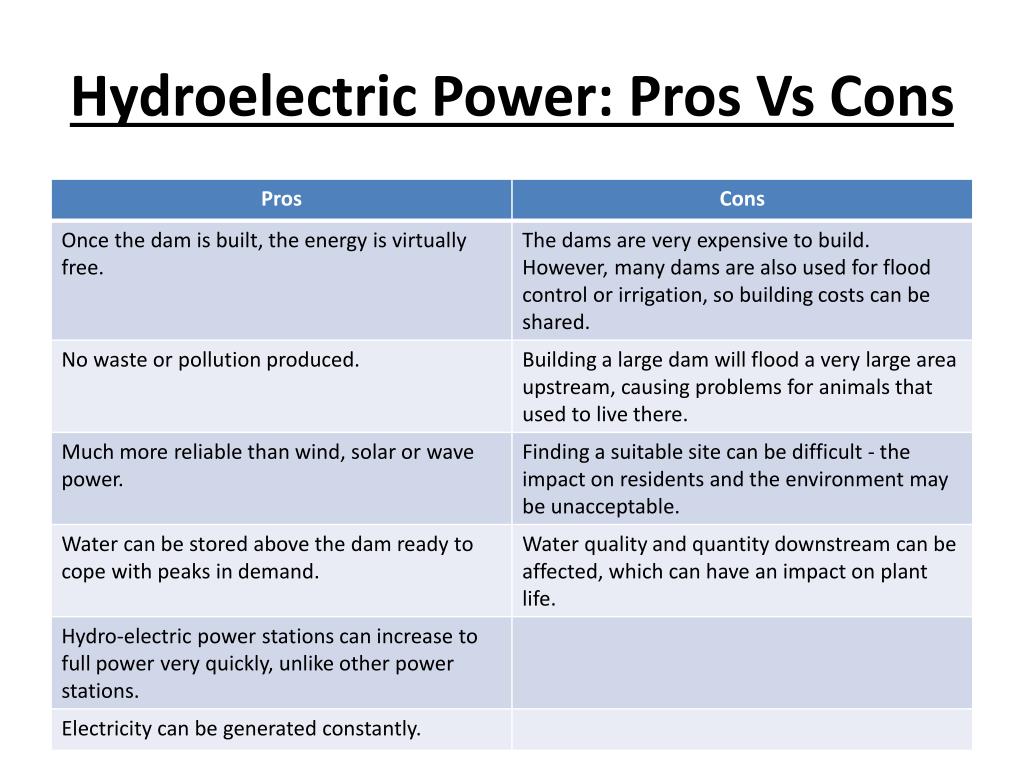
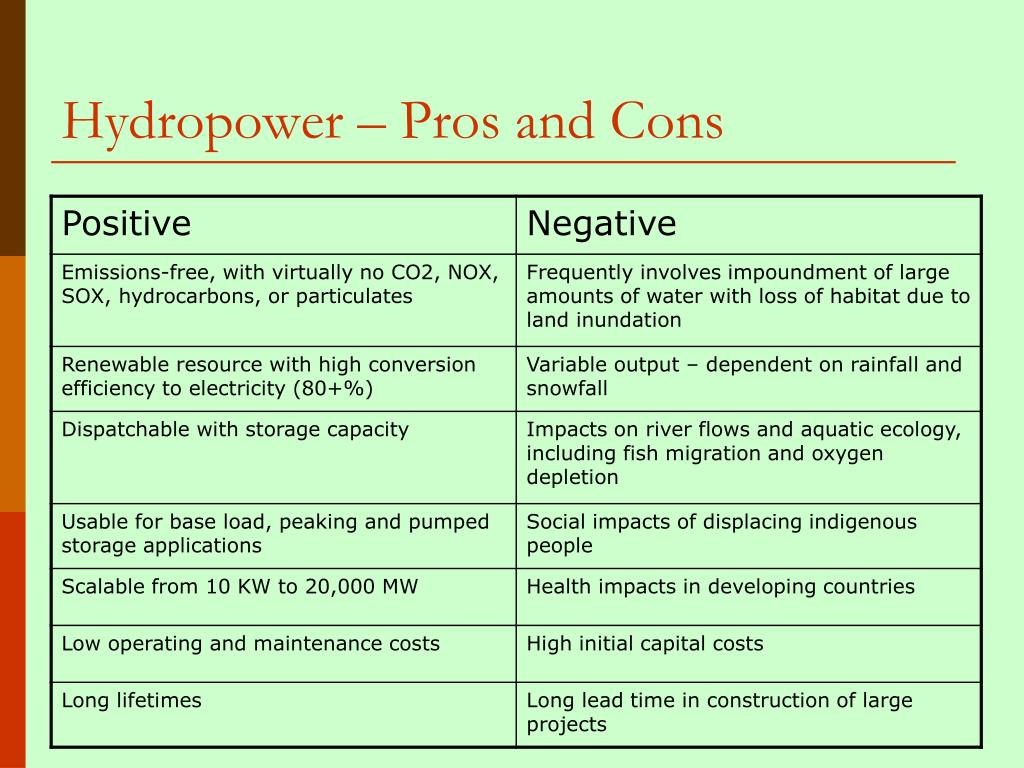
Now, let's break down the pros and cons:
Pros:
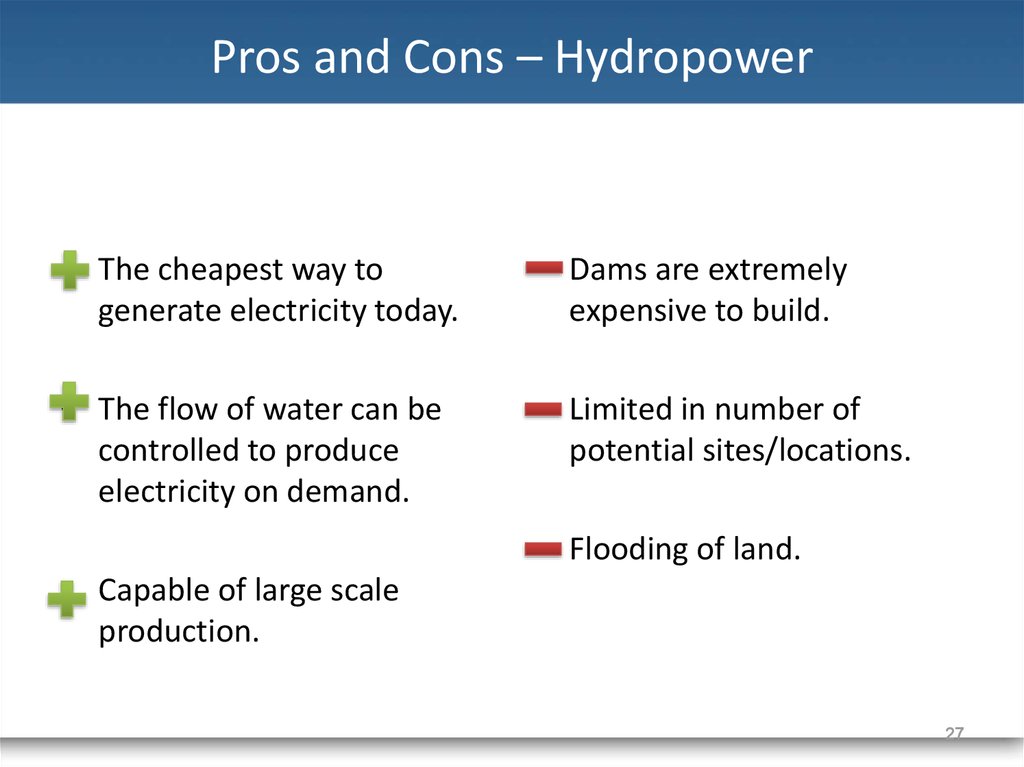
- Renewable: Water is constantly replenished.
- Clean: Produces little to no air pollution.
- Reliable: Can provide a consistent source of power.
- Flood Control: Dams can help prevent flooding.
- Reservoir Recreation: Lakes offer opportunities for recreation.
Cons:
- Environmental Impact: Dams can disrupt ecosystems and fish migration.
- High Initial Cost: Building dams is expensive.
- Location Dependent: Requires suitable rivers and topography.
- Displacement of Communities: Reservoir creation can force people to relocate.
- Sedimentation: Dams can trap sediment, affecting downstream ecosystems.
Examples: Think of the Hoover Dam in the US, one of the most iconic hydroelectric power plants. Or the Three Gorges Dam in China, the world's largest. These are massive projects, but remember that hydropower comes in all shapes and sizes, from these giants to small community micro-hydro setups.

Getting Started: If you're curious about micro-hydro, start by researching the water resources in your area. Are there streams or rivers that could potentially power a small system? Talk to local experts and consider joining a renewable energy association. Even simply visiting a local dam and learning about its operation can be a great first step.
Understanding the pros and cons of hydroelectric power allows us to have a more informed conversation about energy. It's not a perfect solution, but it's a valuable tool in the fight against climate change and the quest for a sustainable energy future. The key is to weigh the benefits against the environmental impact and strive for responsible development. Exploring the nuances is pretty cool, right?