
Pros And Cons Of Carbon Capture And Storage
Okay, picture this: the Earth is like a giant, slightly overheated pizza oven. We've been cranking up the temperature for years, and the pizza (aka, our climate) is starting to get a little… crispy.
One of the proposed solutions? Carbon Capture and Storage (CCS)! It's like a superhero swooping in to save the pizza from burning.
The Amazing Upsides of CCS (Hooray for Heroes!)
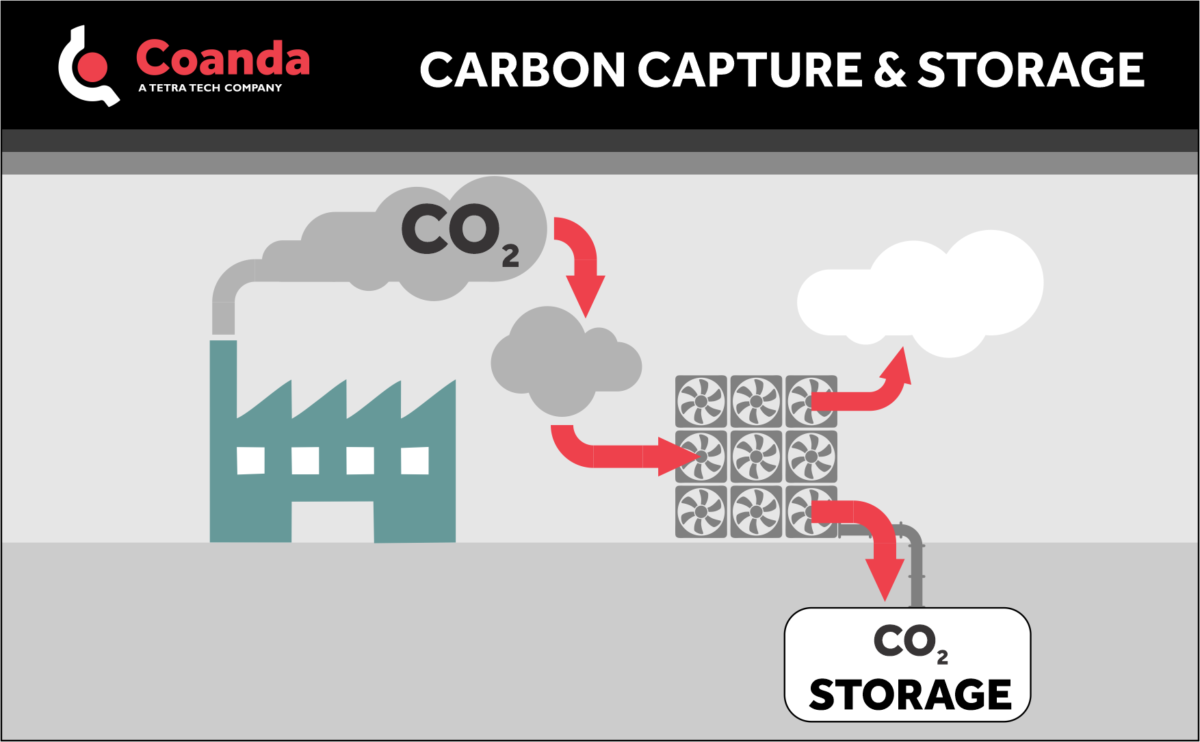
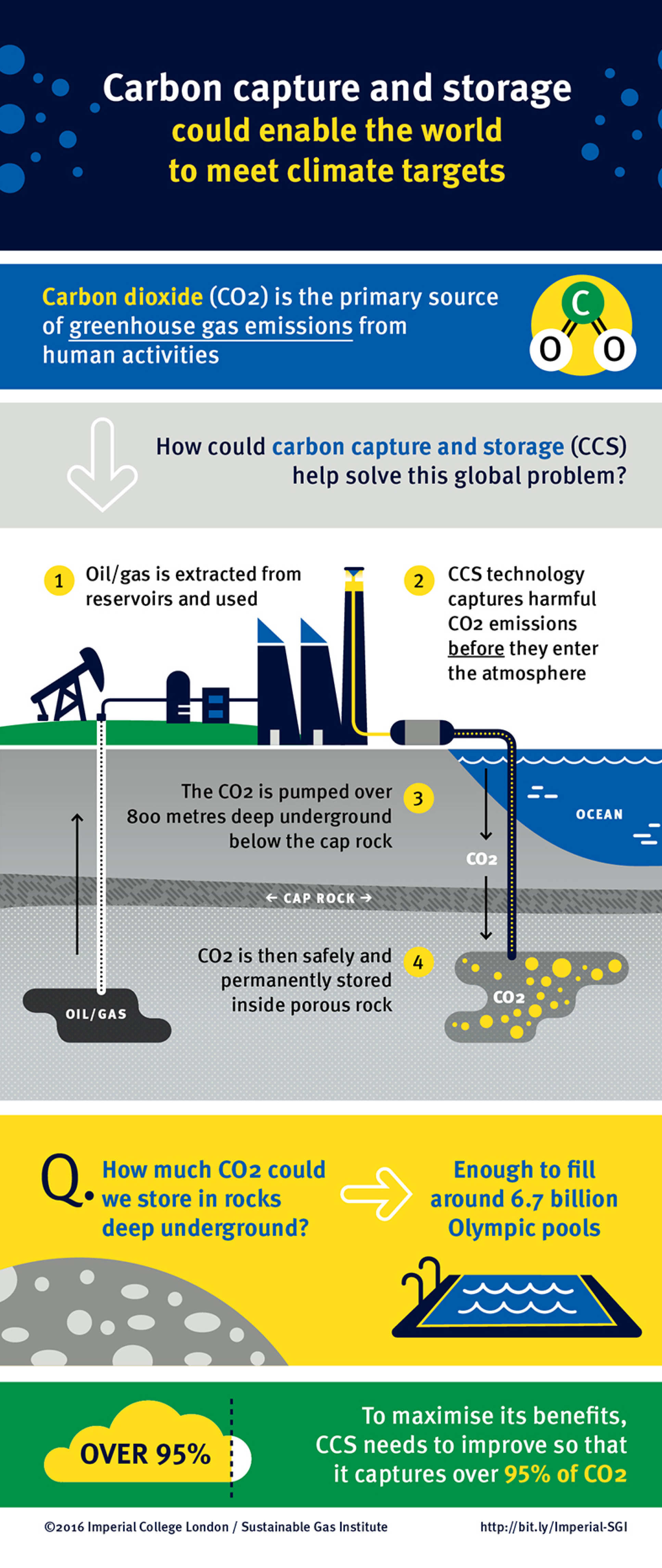
Let's dive into why CCS is being hailed as a potential climate champion. Think of it as a giant vacuum cleaner, but instead of sucking up dust bunnies, it gobbles up carbon dioxide (CO2) – the main culprit behind our overheated pizza oven.
Must Read
Less CO2 in the Atmosphere
This is the big one! CCS aims to prevent CO2 from power plants and other industrial sources from ever reaching the atmosphere. Less CO2 means less warming, potentially slowing down climate change.
Imagine a power plant pumping out pollution. Instead of going into the air, it's captured, squished, and safely stored away. Ta-da! Cleaner air, happier planet.
Keeps Fossil Fuels in the Game (For Now!)
Okay, controversial point alert! CCS allows us to continue using fossil fuels, like coal and natural gas, without releasing all that nasty CO2. Think of it as having your cake and eating it too…sort of.
This could be a bridge to a cleaner energy future. It gives us time to develop renewable energy sources and transition our economies.
New Jobs and Industries
Building and operating CCS facilities creates jobs! Think engineers, technicians, geologists... It's like a whole new industry sprouting up to fight climate change.
Plus, it could lead to innovation in other areas. Who knows what amazing technologies will be developed along the way?
The Not-So-Amazing Downsides of CCS (Uh Oh, Kryptonite!)
Now, let's not get carried away. Every superhero has a weakness, and CCS is no exception. There are some serious drawbacks to consider.
It's Expensive!
Building and operating CCS facilities is seriously pricey. We're talking billions of dollars! Think of it as trying to build a rocket ship to Mars… for every power plant.
That money could potentially be used for other climate solutions, like renewable energy projects. It's a question of priorities.
Storage Concerns
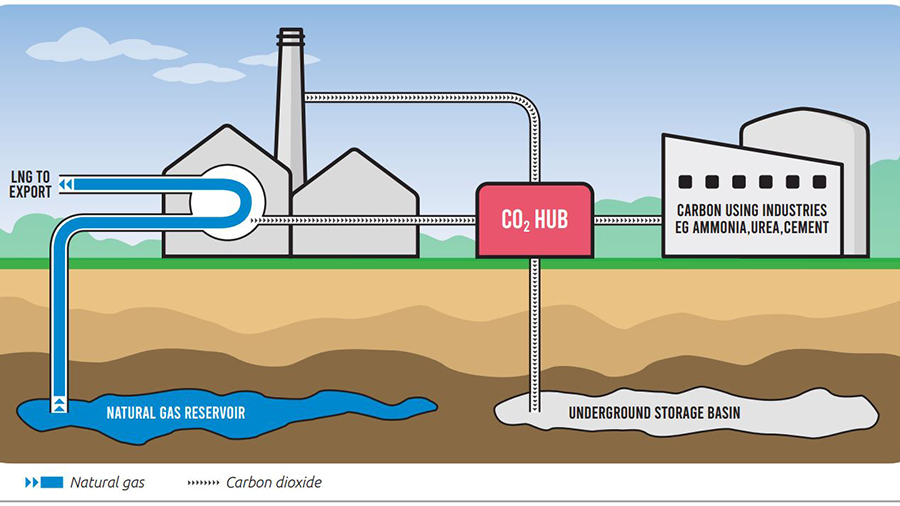
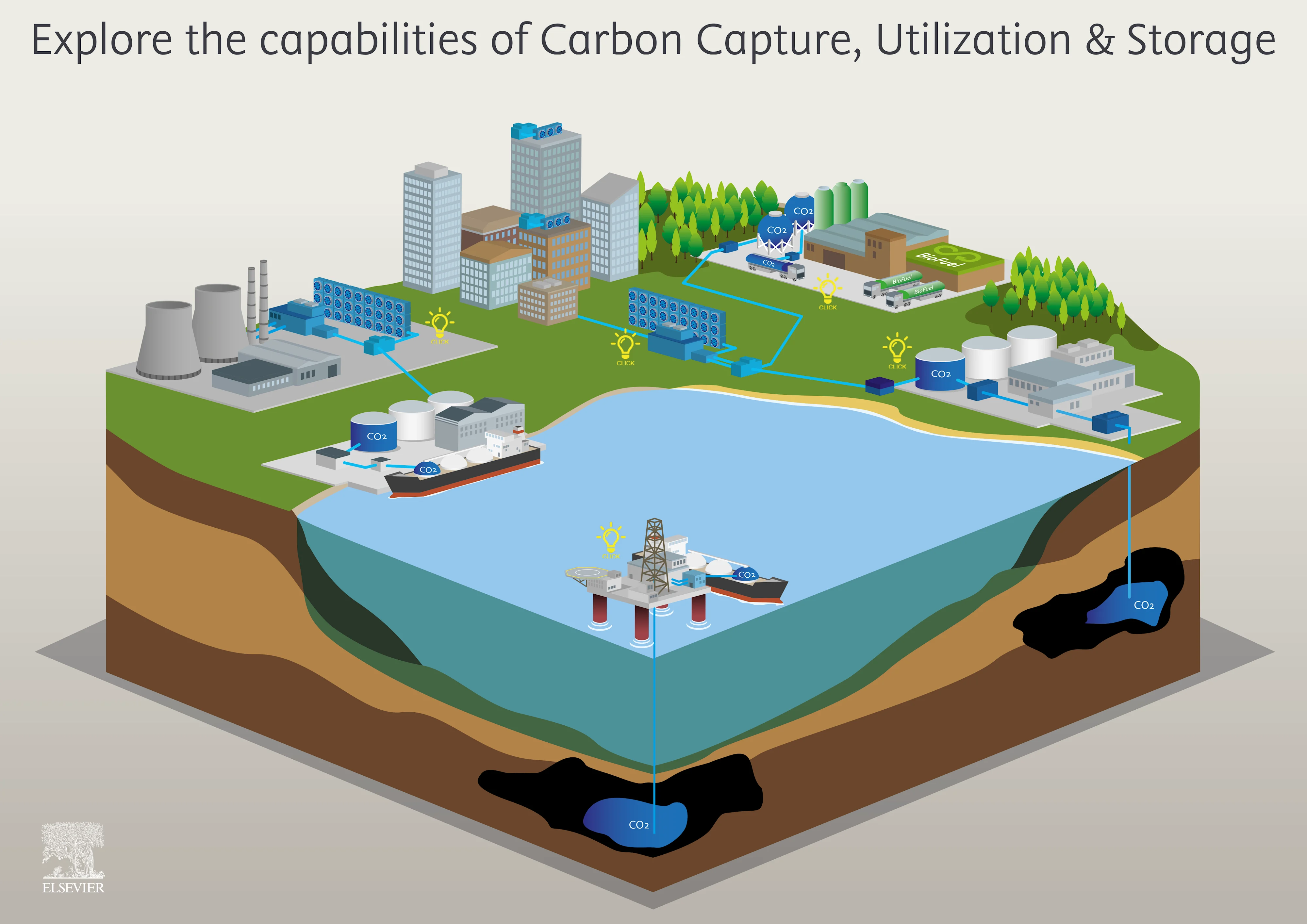
Where do we put all that captured CO2? The idea is to inject it deep underground into geological formations. But what if it leaks?
A sudden leak could be dangerous. Gradual leaks would undermine the whole point of CCS. It's like trying to contain a mischievous genie in a bottle.
Energy Intensive
Capturing and storing CO2 requires a lot of energy. This means that the power plant using CCS will need to burn more fuel to compensate.
That extra fuel burning creates more CO2 in the first place! It's kind of like taking one step forward and half a step back.
Moral Hazard
This is a sneaky one! Some critics argue that CCS gives us an excuse to keep burning fossil fuels without making real changes to our energy systems.
It's like saying, "We can keep polluting because we'll just clean it up later!" But what if "later" never comes?
Examples in the Real World
Okay, so CCS isn't just a theoretical idea. There are some projects up and running around the world.
Sleipner, Norway
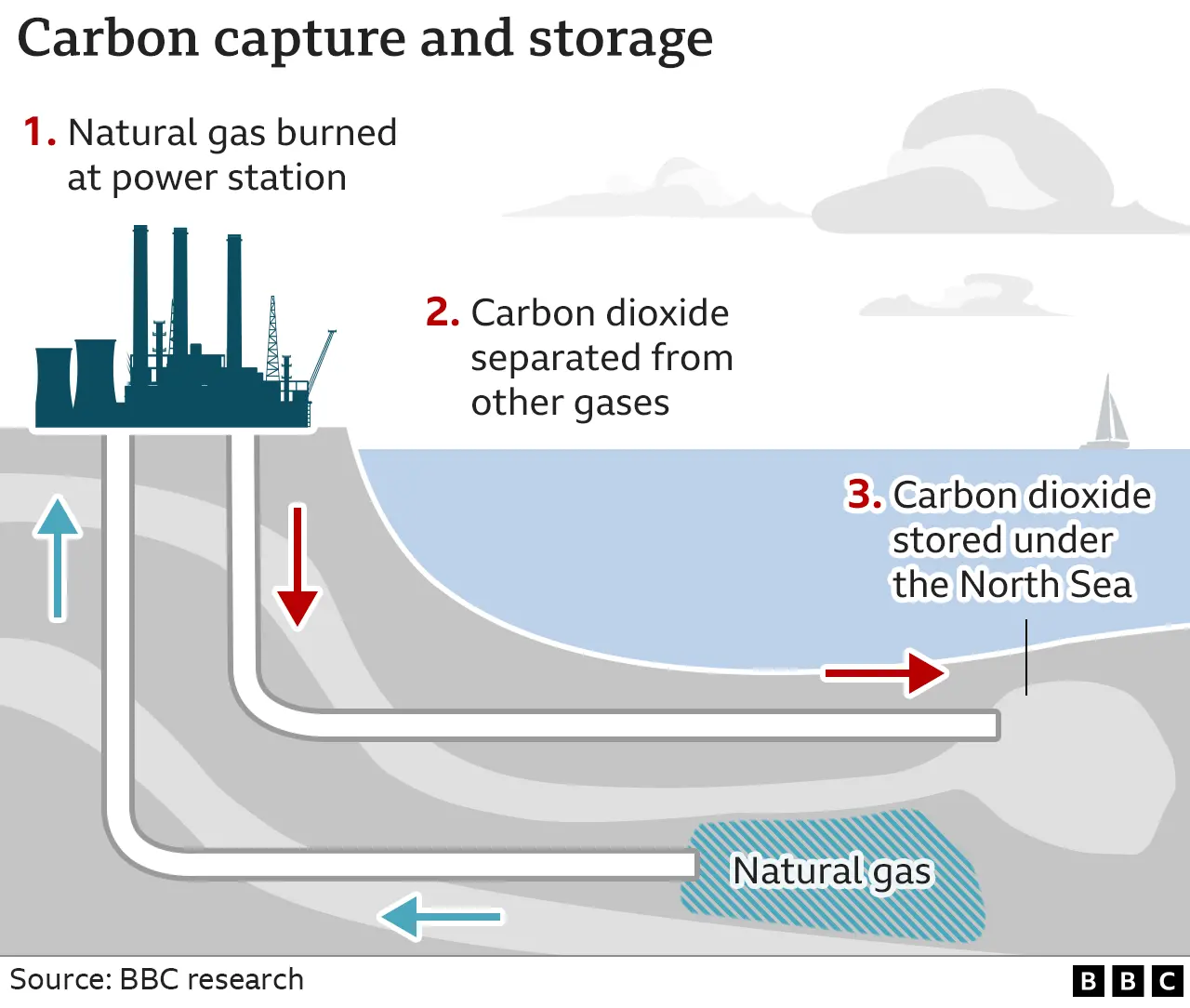
This is one of the oldest and most successful CCS projects. Since 1996, Sleipner has been storing CO2 from a natural gas platform under the North Sea.
It's like a real-world test case, showing that CCS can be done safely and effectively.
Boundary Dam, Canada
This coal-fired power plant in Saskatchewan is equipped with CCS technology. It's one of the first of its kind in the world.
It's a bold experiment, but it's also been plagued by technical problems and high costs.
The Verdict: Is CCS a Climate Savior or a Costly Distraction?
So, what's the final word on CCS? Is it a superhero or a villain? The truth is, it's probably somewhere in between.
It has the potential to play a role in reducing emissions, especially in industries that are difficult to decarbonize. But it's not a silver bullet, and it comes with significant challenges.
Ultimately, the decision of whether or not to invest in CCS depends on a careful weighing of the costs and benefits, as well as a consideration of alternative climate solutions. Think of it as choosing the right tool for the job.
The Future of CCS
What does the future hold for CCS? Well, that's anyone's guess. But there are some trends to watch.
Technological Advancements
Researchers are working on new and improved CCS technologies that are more efficient and less expensive. These advancements could make CCS a more attractive option in the future.
Imagine a CCS system that's so cheap and easy to install that every power plant wants one!
Government Policies
Government policies, such as carbon pricing and subsidies, can play a big role in promoting the development and deployment of CCS. If governments create the right incentives, CCS could take off.
Think of it as giving CCS a super-powered boost to help it reach its full potential.
Public Opinion
Public opinion can also influence the fate of CCS. If people are skeptical about the technology, it will be harder to get projects approved and funded.
It's important to have an open and honest conversation about the risks and benefits of CCS so that people can make informed decisions.
So, there you have it – a whirlwind tour of the world of Carbon Capture and Storage! It's a complex and controversial topic, but one that's essential to understand if we want to tackle climate change. Whether it's a key piece of the puzzle or an expensive distraction remains to be seen, but one thing's for sure: the future of our pizza oven (aka, our planet) depends on making the right choices.