
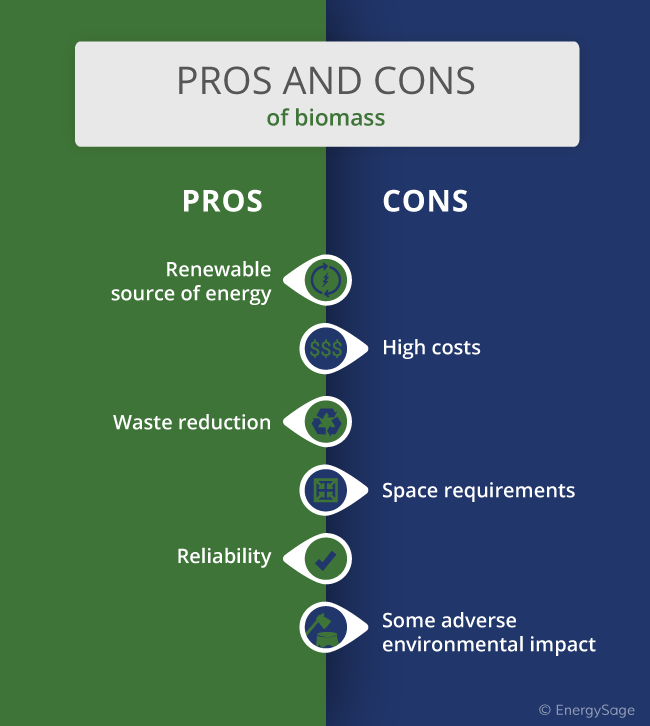
Pros And Cons Of Biomass Energy
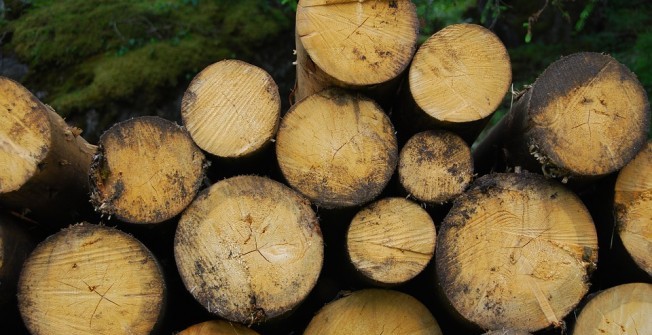
Ever wondered about the energy world beyond solar panels and wind turbines? Well, buckle up, because today we're diving into the wonderfully wacky world of biomass energy! Think of it as nature's ultimate recycling program, where we turn everyday organic stuff into power. It's like giving plants a second life, only this time, they're powering your Netflix binge!
The Good Stuff! (Pros of Biomass Energy)
It's Renewable, Baby!
Unlike digging up ancient dinosaur goo (fossil fuels, for the less playful among us), biomass comes from plants and animals that are constantly growing or regenerating. We're talking about trees, crops, agricultural waste, and even your kitchen scraps (sometimes!). It's like having a never-ending buffet of energy sources, always replenishing itself.
No need to worry about running out – Mother Nature's got a green thumb!
Waste Not, Want Not!
One of the coolest things about biomass is its knack for turning trash into treasure. Picture this: instead of your old corn stalks or leftover wood chips gathering dust (or worse, ending up in a landfill), they can be transformed into electricity or heat. It's like a magical alchemy, making something useful out of what would otherwise be considered waste.
Must Read
Your yard trimmings helping power your smart home? That's the biomass dream! This seriously reduces the amount of rubbish piling up, giving our landfills a much-needed break.
A Breath of Fresh Air (Sort Of!)
Here's the often-cited super-power of biomass: its potential to be carbon neutral. When plants grow, they soak up carbon dioxide from the atmosphere. When we use them for energy, they release that CO2 back. It's a bit like a cosmic exhale and inhale.
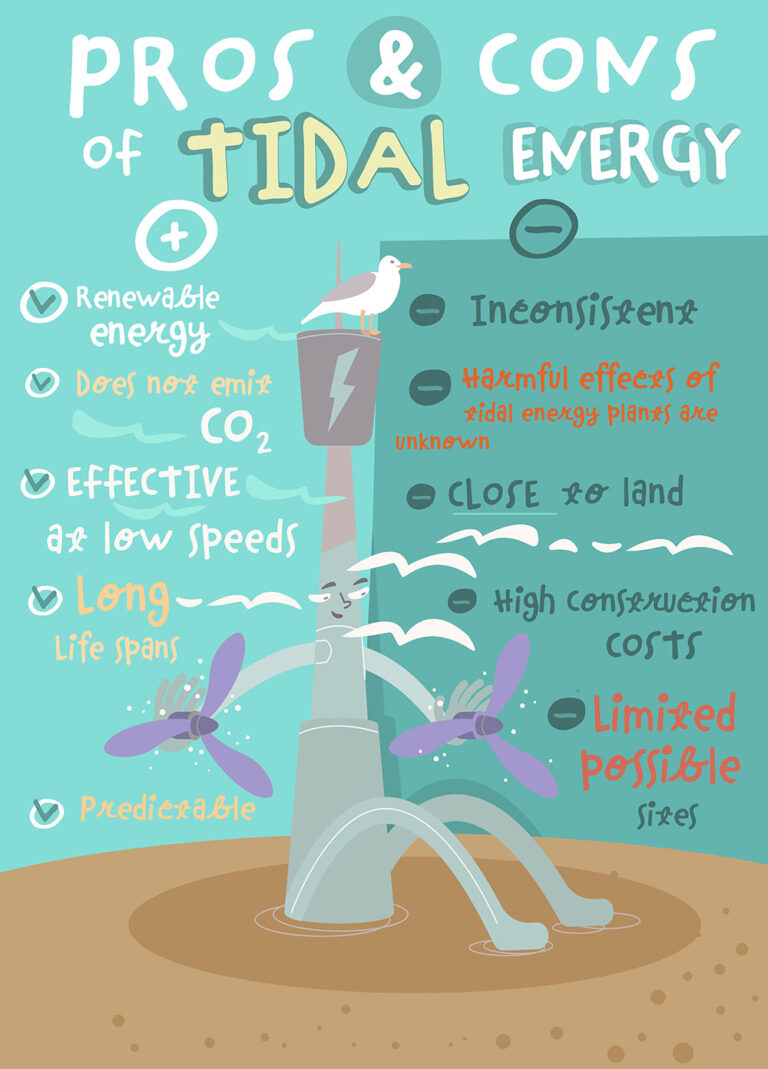
In theory, it's a perfectly balanced carbon cycle, as long as we keep planting more than we use!
Homegrown Energy & Local Love!
Biomass energy often uses resources grown right in our own backyards (or at least, nearby farms and forests). This means less reliance on energy sources from far-flung places, giving us a boost in energy independence. Plus, it can create jobs for farmers growing special energy crops and folks working at local processing plants.
It's a win-win for the local economy, keeping money and jobs close to home. Talk about community power!
The Not-So-Great Stuff! (Cons of Biomass Energy)
Hungry, Hungry Land!
While biomass is awesome for using waste, sometimes we grow crops specifically for energy – like corn for ethanol. This can lead to a tricky situation: are we growing food for people or fuel for cars? It's a delicate balance, and we certainly don't want energy needs competing with the vital task of feeding the world.
Imagine a giant pizza party, but half the ingredients go to fuel the oven instead of making pizzas! It's a tough call for valuable agricultural land.
Chop, Chop, Uh Oh!
If we get too enthusiastic about sourcing wood for biomass and aren't careful, we could end up with some serious deforestation. Chopping down old-growth forests just for energy is a big no-no, as these forests are vital for biodiversity and carbon storage. It's like stealing from nature's piggy bank without putting anything back.
Responsible sourcing is absolutely key to making biomass a sustainable superhero, not an eco-villain.
Smoke and Mirrors (Sort Of!)
While biomass combustion is often cleaner than burning coal, it's not entirely emission-free. Burning any organic material releases particulates and other pollutants into the air, which can impact local air quality. It's not quite the pristine puff of smoke from a unicorn's nostril!

We need advanced technologies to scrub these emissions and keep our skies clearer. No one wants a smoky haze with their renewable energy.
The Bulk Factor & Travel Troubles!
Biomass materials like wood chips or corn stalks are often quite bulky and not very energy-dense compared to fossil fuels. This means you need a lot of it to generate a significant amount of power. Hauling tons of this material from where it's grown to where it's converted into energy can be quite a logistical headache.
All that transportation requires fuel, which itself contributes to carbon emissions, sometimes offsetting the initial benefits.
The "Carbon Debt" Dilemma
Remember that carbon neutral idea? Well, there's a catch, sometimes called "carbon debt." When an old tree is cut down for biomass, it releases its stored carbon immediately. But it takes decades for a newly planted tree to grow big enough to absorb the same amount of CO2.
So, in the short term, burning biomass can actually increase atmospheric carbon, even if it balances out in the very long run. It's like taking out a loan you won't fully pay back for many years.
So, What's the Verdict?
Biomass energy is a fascinating player in our quest for a greener future. It's not a magical silver bullet that will solve all our energy woes, but it's definitely a valuable piece of the puzzle. With careful management, responsible sourcing, and continuous innovation, biomass can help us move away from fossil fuels and create a more sustainable world.
It reminds us that sometimes, the answers to our biggest challenges are growing right under our noses – or in our backyard waste piles! So, next time you see a field of corn or a pile of wood chips, remember the incredible energy potential hidden within.