
Precision Cnc Components For The Medical Industry
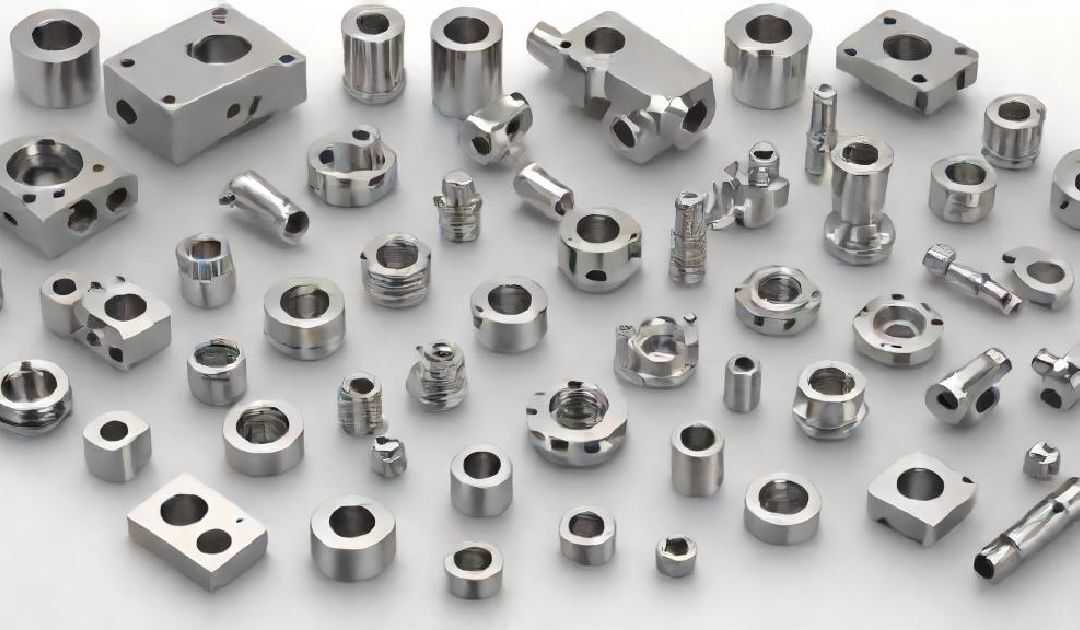
Ever wondered what goes on behind the scenes to make those incredible medical devices work? Like, really work? We're talking about the stuff that saves lives and improves the quality of life for millions. Well, a big part of the answer lies in the world of precision CNC components.
CNC? That stands for Computer Numerical Control. Basically, it's a super-precise way of using computers to control machines that cut and shape materials. Think of it like a 3D printer, but instead of building up, it carves down – and with incredible accuracy.
Why Is Precision So Important?
Imagine building a house where the bricks weren't quite the right size, or the walls weren't perfectly straight. Chaos, right? Well, the same goes for medical devices, but the stakes are a whole lot higher. We're not talking about wonky walls; we're talking about things that go inside the human body, interact with sensitive tissues, and make life-or-death decisions.
Must Read
Think about it. A tiny valve in a heart pump? It needs to be perfect. A component in a robotic surgery arm? Flawless. A screw that holds a bone plate in place? You guessed it – absolutely precise. There’s no room for error.
And that's where precision CNC components come in. They're manufactured to incredibly tight tolerances. I'm talking tolerances smaller than the width of a human hair! That level of accuracy is simply impossible to achieve with traditional machining methods.
The Magic of CNC: Turning Ideas into Reality
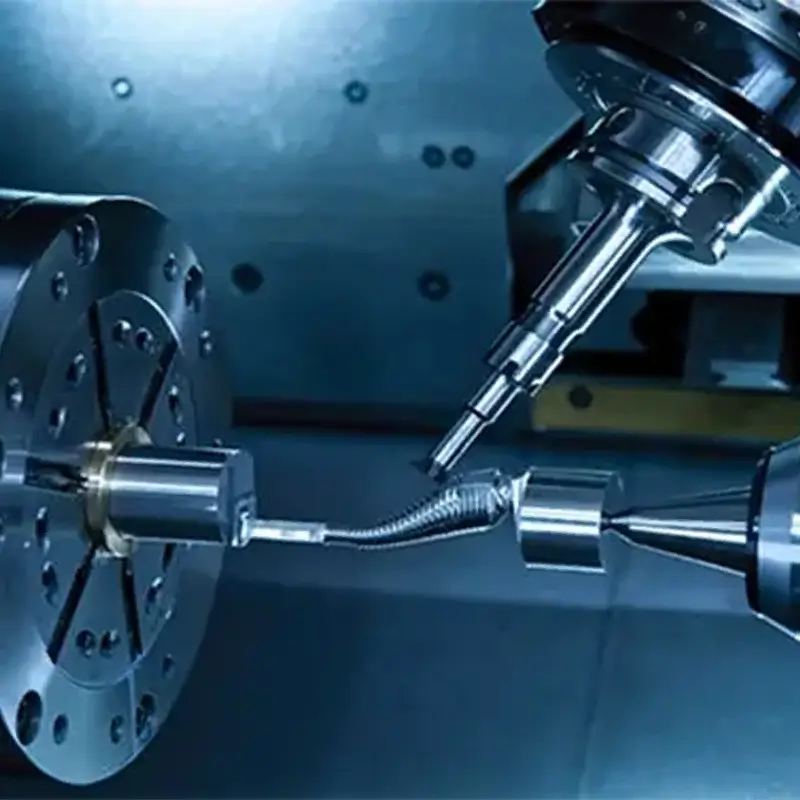
So, how does this magic happen? Well, engineers create detailed 3D models of the components they need. These models are then fed into the CNC machine's computer, which controls the movement of cutting tools with pinpoint accuracy.
The machines can work with a variety of materials, from titanium and stainless steel to specialized plastics, all chosen for their specific properties and biocompatibility. It's like having a highly skilled sculptor who never gets tired and never makes a mistake.
Ever seen one of those time-lapse videos of a CNC machine in action? It's mesmerizing! Watching a block of metal slowly transform into a complex component is like watching art being created. Except this art is destined for something far more important than just looking pretty on a wall. It's going to save lives.

Think Beyond Just Machines: It's About Patients
It's easy to get caught up in the technology and the engineering, but let's not forget the human element. Ultimately, precision CNC components are about improving patient outcomes. They enable doctors to perform more complex surgeries, develop more effective treatments, and create medical devices that are safer and more reliable.
Consider custom implants. Using CNC machining, surgeons can get implants specifically designed for each individual patient's unique anatomy. This means better fit, less pain, and faster recovery times. It's like getting a tailor-made suit, but for your bones!

Beyond the Obvious: Where Else Do You Find CNC?
Okay, so we've talked about implants and surgical tools. But CNC's reach extends far beyond that! It’s used to make components for diagnostic equipment like MRI machines and CT scanners. It’s used in lab equipment that processes blood samples and analyzes DNA. Basically, if it's a piece of medical technology that demands accuracy and reliability, chances are there’s a CNC component somewhere in there.
Even something as simple as the housing for a hearing aid likely benefits from CNC precision. The device needs to be small, lightweight, and fit perfectly in the ear. CNC machining helps manufacturers achieve all those things, leading to a more comfortable and effective experience for the user.
The Future is Precise: What's Next for CNC?
The field of precision CNC components is constantly evolving. As medical technology becomes more sophisticated, the demands on these components will only increase. We're talking about even tighter tolerances, more complex geometries, and new materials that push the boundaries of what's possible.
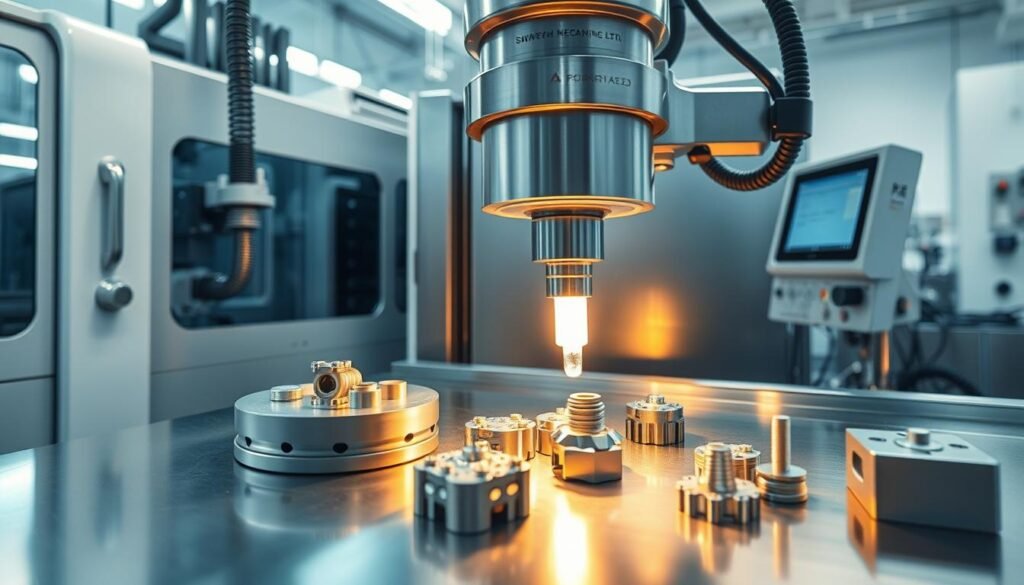
Imagine micro-robots navigating through blood vessels to deliver targeted drug therapies. Or custom-printed organs created with incredible precision. These are just a few of the possibilities that precision CNC machining, and advancements beyond it, are helping to unlock.
So, the next time you hear about a breakthrough in medical technology, remember the unsung heroes behind the scenes: the precision CNC components that make it all possible. They may be small, but their impact is HUGE.
Isn't it amazing what can be achieved when technology, engineering, and a commitment to patient care come together? I think so!