
Portable Generator Connection To House

Ever been in the middle of a gripping TV show, whipping up a delicious dinner, or maybe just enjoying some much-needed AC on a sweltering day, when suddenly… POOF! Everything goes dark? Yeah, we’ve all been there. It’s not fun. But what if you could have a little secret weapon tucked away, ready to bring your home back to life in mere moments?
We’re talking about connecting a portable generator to your house. And trust me, it’s much cooler and more interesting than it sounds!
Why Connect Your Portable Generator to the House?
Okay, so you might already have a portable generator for camping or tailgates. Maybe you've even used it with a few extension cords during a blackout. But imagine powering your entire home's essential circuits, all from one neat little box outside. No more juggling cords through windows or deciding which appliance gets the coveted "power outlet" spot.
Must Read
Think of it like giving your house its own temporary power plant. Instead of just lighting up a lamp, you can bring back your fridge, furnace, water pump, and even that all-important Wi-Fi router. It's about bringing a sense of normalcy and comfort back to your life when the grid decides to take a nap.
The Magic Behind the Connection: How It Works (Simply!)
"But how?" you ask, "Can I just plug it into a wall socket?" Absolutely not! That, my friends, is a big no-no and incredibly dangerous. The magic happens thanks to a special device called a transfer switch.

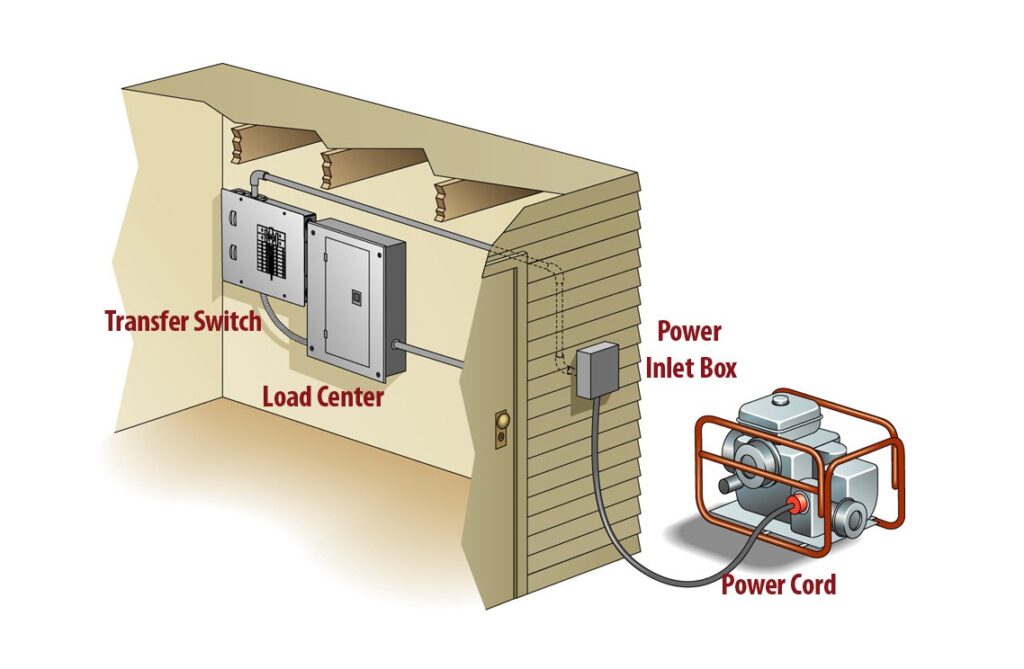
Picture the transfer switch as a highly efficient traffic cop for your electricity. Its main job is to ensure your house is getting power from only one source at a time – either the utility company (your normal power) or your generator. This is super important for a few reasons.
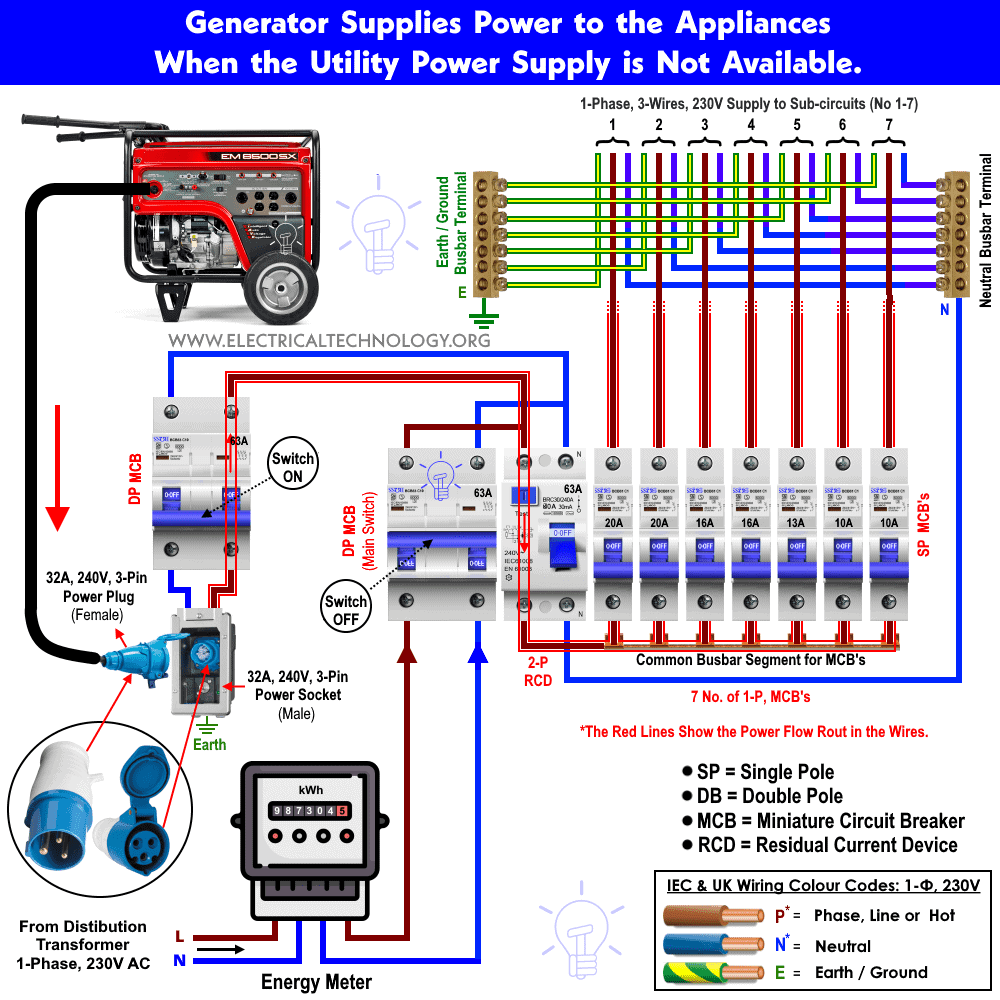
First, it prevents something called "backfeeding." Imagine your generator sending power back into the utility lines. That power could seriously injure or even kill utility workers who are trying to restore power to your neighborhood. The transfer switch is your safety superhero against this scenario, isolating your home from the grid when the generator is running.
Second, it makes the process incredibly smooth. On the outside of your house, you'll have a special electrical inlet box. This is where your generator's power cord plugs in. Inside, the transfer switch is usually located near your main electrical panel. When the power goes out, you start your generator, plug it into the inlet box, and then flip a switch on the transfer panel. Presto! Your designated circuits come alive. It’s surprisingly straightforward for the homeowner once installed.

Safety First (Because We Like Our Lights On and Ourselves Safe!)
We've touched on it, but it bears repeating: safety is paramount. While the idea of being self-sufficient during an outage is thrilling, connecting a generator directly to your home’s electrical system is not a DIY project for the average homeowner.
You absolutely need a licensed and qualified electrician to install the transfer switch and the outdoor inlet box. They ensure everything is up to code, wired correctly, and most importantly, safe for you, your family, and the utility workers. Think of them as the wizards who make the magic happen safely.
The Freedom, Peace of Mind, and Sheer Cool Factor
So, what’s really cool about all this? It’s the empowerment. The next time a storm rolls in, while your neighbors are scrambling for candles and worrying about thawing food, you’ll be calmly starting your generator, knowing your essential home functions are just a flip of a switch away.
Imagine being able to:
- Keep your refrigerator and freezer humming, saving hundreds of dollars in spoiled food.
- Power your furnace fan in winter or a window AC unit in summer, maintaining comfort.
- Keep your well pump running if you rely on well water, ensuring you still have running water.
- Charge all your devices, keep the lights on, and yes, maintain that precious internet connection for news and entertainment.
It’s not just about surviving an outage; it's about thriving through it. It's about maintaining a slice of normalcy and significantly reducing the stress and inconvenience that power cuts typically bring. You become less dependent on external forces and more in control of your own comfort and security. It’s a huge step towards true home resilience.
A Few Things to Ponder
Of course, a portable generator needs fuel – usually gasoline. So, having a safe, accessible store of fuel is part of the preparedness plan. Also, considering the generator's size (wattage) is important; you'll want to match it to the essential appliances you plan to power. And don't forget placement: generators should always operate outdoors in a well-ventilated area, far from windows and doors, to prevent carbon monoxide poisoning.
Ready to Embrace the Power?
Connecting a portable generator to your house is more than just a practical solution; it's an investment in your home's comfort, safety, and your peace of mind. It transforms a frustrating inconvenience into a manageable, even empowering, experience.
So, next time the lights flicker, instead of groaning, you might just feel a little thrill, knowing your home has a backup heart ready to beat. Pretty cool, right? It truly makes you wonder, "Why didn't I do this sooner?"