
Point Price Elasticity Of Demand Formula
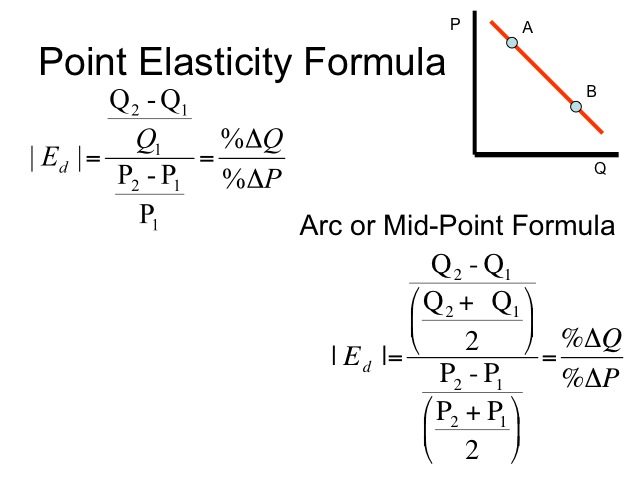
Okay, so you've probably heard of this thing called "Point Price Elasticity of Demand." Sounds like something cooked up in a lab, right? Maybe by mad scientists wearing spectacles and cackling about manipulating the market. But trust me, it's way simpler (and less sinister) than that. It's just a fancy way of asking: "How much will people change their buying habits when the price of something goes up or down?" Think of it as the "wiggle room" in your spending plans.
Imagine your favorite coffee shop starts charging double for your usual latte. Ouch! Will you still get it every morning? Maybe cut back to only weekends? Or switch to tea (gasp!)? That, my friend, is elasticity in action. You're reacting to a price change, and the degree of your reaction is what we're trying to figure out with this elasticity thingy.
The Formula: Less Scary Than Algebra Class (Promise!)
Now, for the dreaded formula. Don't run away screaming! It's actually quite friendly. It goes like this:
Must Read
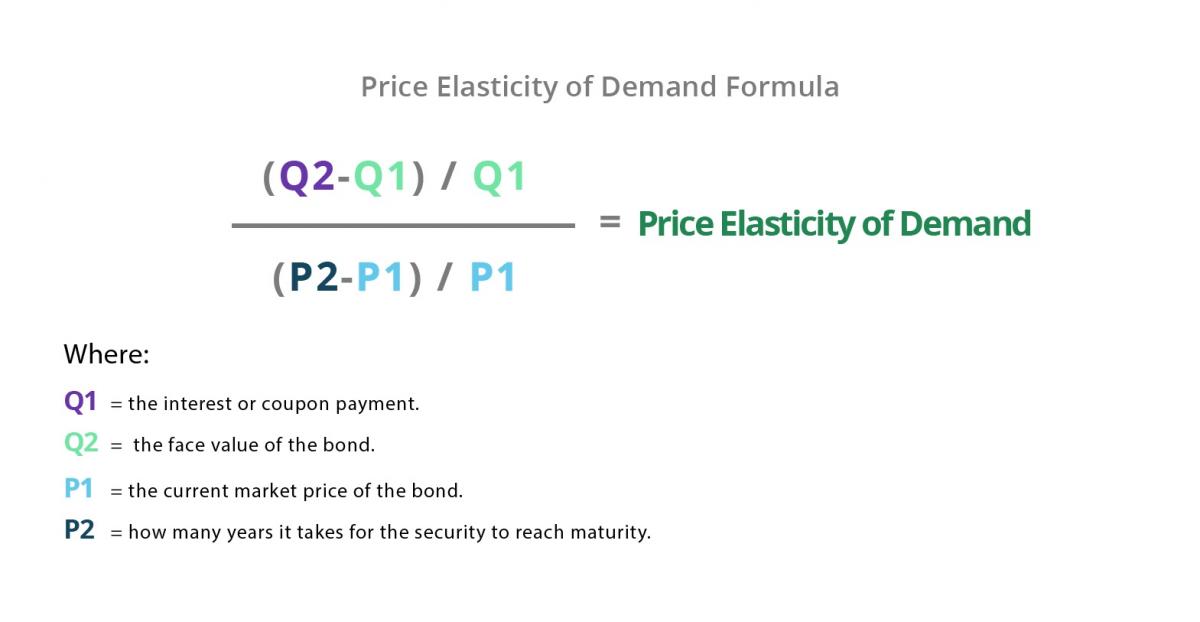
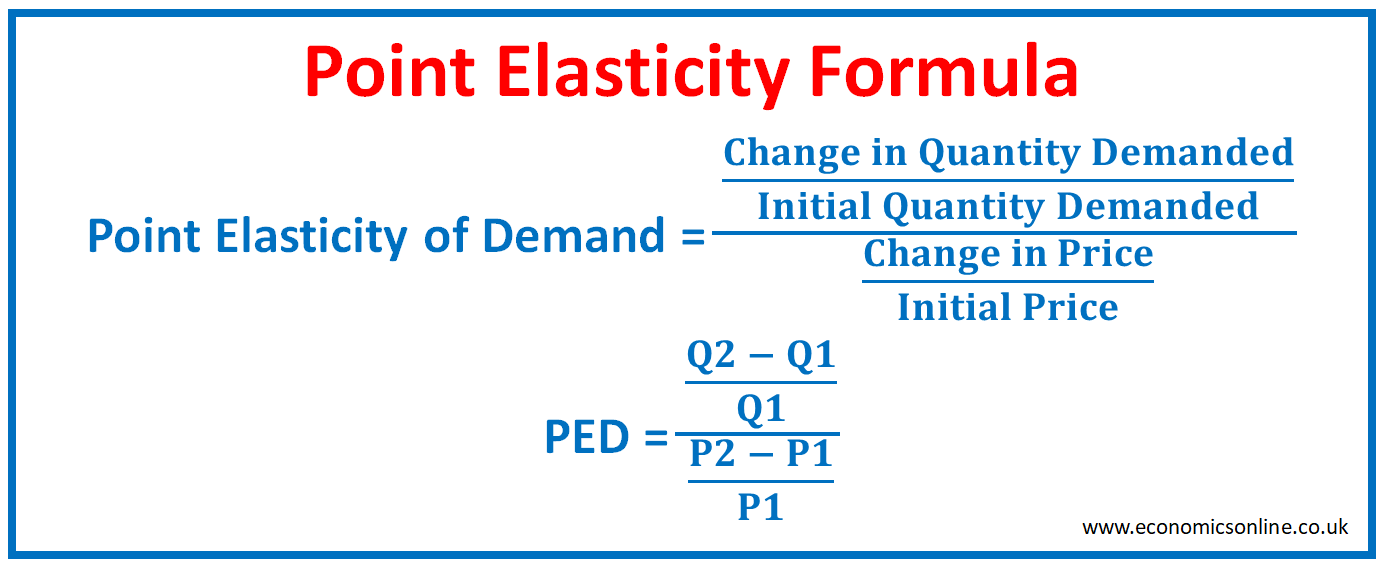
Point Price Elasticity of Demand = (% Change in Quantity Demanded) / (% Change in Price)
Break it down, Captain! Let's say the price of your go-to movie ticket jumps from $10 to $12 (a 20% increase). And because of that, you decide to only go to the movies once a month instead of twice (a 50% decrease!).
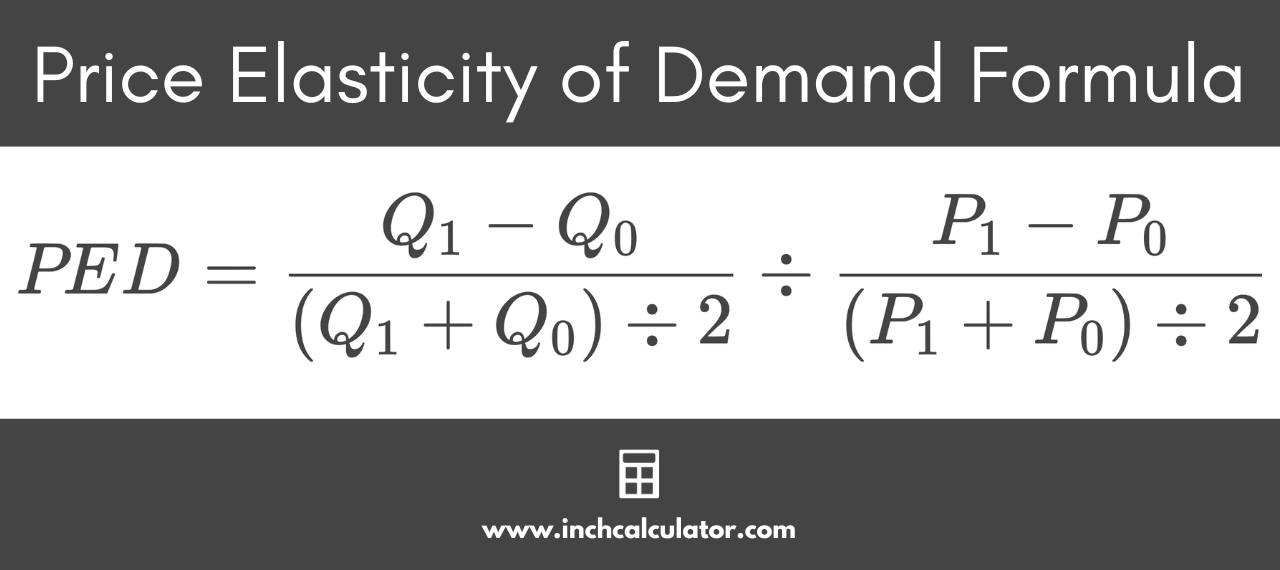
Plugging it in: -50% / 20% = -2.5
The negative sign just means the relationship is inverse (when price goes up, demand goes down, and vice versa). We usually ignore it and just focus on the absolute value. So, in this case, the elasticity is 2.5.
What Does That Number Mean? Think Rubber Bands!
That number, 2.5, tells us how elastic your demand for movie tickets is. Think of it like a rubber band.
- Elastic Demand (Elasticity > 1): The rubber band stretches a LOT. A small change in price leads to a BIG change in quantity demanded. Like our movie ticket example! If it’s more than 1, it mean you are price sensitive.
- Inelastic Demand (Elasticity < 1): The rubber band barely stretches at all. Price changes don't have much of an impact on how much you buy. Essential stuff, like medicine or maybe… dare I say, toilet paper during a pandemic. If it’s less than 1, it means you are not price sensitive.
- Unit Elastic Demand (Elasticity = 1): A 1% change in price leads to a 1% change in quantity demanded. Perfectly balanced, as all things should be.
Why Should You Care? Because You're a Smart Cookie!
Knowing a little about price elasticity can make you a savvy shopper. You can anticipate how price changes might affect your budget and make informed decisions. For example:
- Sales, Sales, Sales!: Are those new sneakers really worth the sale price, or are you just a sucker for a good deal (like most of us)?
- Budgeting Blues: Will that gas price hike completely derail your road trip plans, or can you adjust your driving habits to compensate?
Understanding elasticity also helps businesses make smarter pricing decisions. If they know their product has inelastic demand (people will buy it regardless), they might be able to raise prices without losing too many customers. Think about those crazy airline fees! They know you gotta get home for the holidays, so they can squeeze a little extra out of you (evil laugh not included… maybe).
The Bottom Line: It's All About Feeling the Pinch
Point Price Elasticity of Demand isn't just some abstract economic concept. It's about how we react to price changes in our everyday lives. It's about deciding whether to splurge on that fancy gadget, cut back on takeout, or switch to generic brands. It's about understanding our own spending habits and making smarter choices.
So, next time you're debating whether to buy that discounted bag of chips, remember the elastic rubber band. Is your demand stretching or staying put? Happy shopping!
