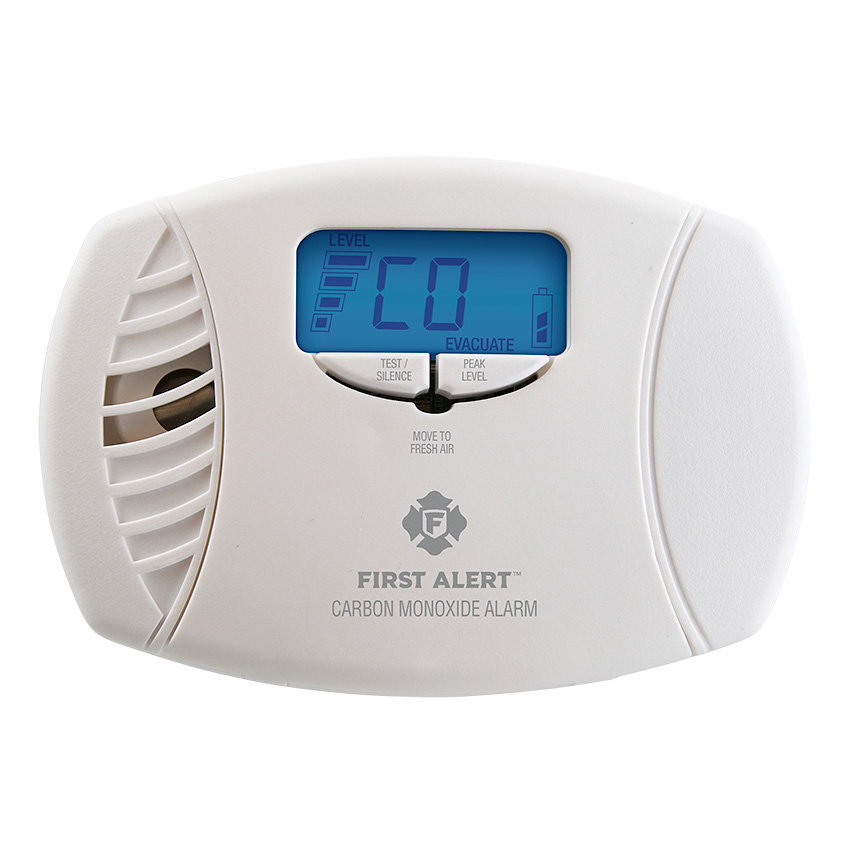
Plug In Smoke And Carbon Monoxide Alarm
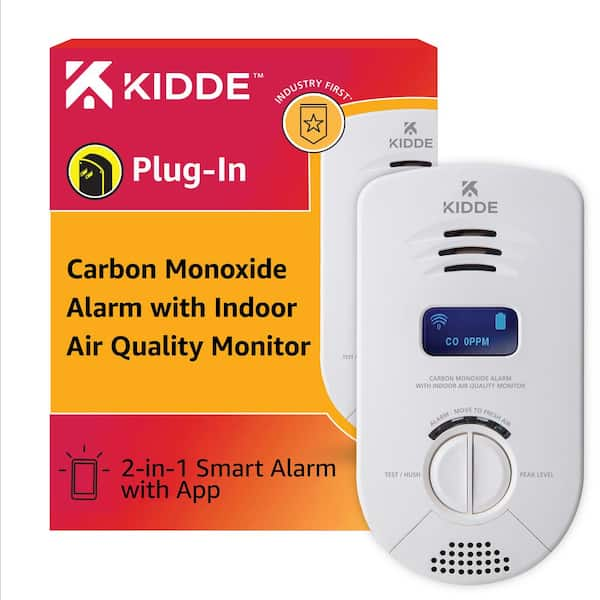
Ever paused to consider the quiet, unassuming guardians nestled in the corners of our homes? We're talking about those often-overlooked devices that hum along silently, waiting for their moment to shine. Today, let's cast a curious eye on the plug-in smoke and carbon monoxide alarm – a brilliant piece of everyday tech that’s far more fascinating and vital than you might initially think. It’s like discovering a secret superpower hiding in plain sight, ensuring our safety with remarkable simplicity. Learning about it isn't just about home safety; it's about appreciating clever design that brings immense peace of mind.
So, what exactly do these little marvels do? In essence, they're your home's personal sentinels against two invisible, yet incredibly dangerous, threats. A smoke alarm is designed to detect the presence of smoke, giving you an early warning if a fire starts. This precious extra time can be the difference between a minor incident and a major disaster, allowing you to evacuate safely or address a small fire quickly. The carbon monoxide (CO) alarm, on the other hand, is a watchdog for a truly insidious gas: carbon monoxide. This "silent killer" is odorless, colorless, and tasteless, produced by common household appliances like furnaces, water heaters, and gas stoves when they don't vent properly. Without a CO alarm, you might not even realize you're in danger until it's too late. The beauty of a plug-in unit? It’s incredibly easy to install – just find an outlet, plug it in, and you're protected. No complicated wiring, no fuss, just instant security and a huge sigh of relief.
You’ll find these invaluable devices making a real difference in countless everyday scenarios. For instance, in a student dorm room, where wiring might be restricted, a plug-in unit offers essential protection without installation hassle. They’re perfect for renters who can’t alter permanent fixtures, allowing them to take their safety devices with them when they move. Even in older homes, where installing hardwired systems can be a costly undertaking, plug-in alarms provide a simple, effective solution. In an educational context, imagine a basic home safety workshop: demonstrating how easily a plug-in alarm works, how to test it, and where to place it is a tangible lesson in emergency preparedness that resonates far more than abstract concepts. It turns complex safety guidelines into something accessible and actionable for everyone.
Must Read
Ready to explore this safety tech a little further? A great first step is to simply check your own home. Do you have smoke and CO alarms? Are they the plug-in variety, or perhaps battery-operated? Look for the little test button – pressing it briefly should make a loud chirp or alarm, letting you know it’s working. Make it a monthly ritual! Think about placement: ideally, you want one on every level of your home, particularly near sleeping areas and fuel-burning appliances. You can easily find them at most hardware stores, often in combined smoke and CO alarm units for maximum convenience. Taking a few minutes to ensure these silent guardians are in place and working correctly is one of the simplest, yet most profoundly impactful, ways to invest in your family's safety and your own peace of mind. It’s a small effort for a potentially life-saving reward.