Plastic Injection Molding For Medical Device Market
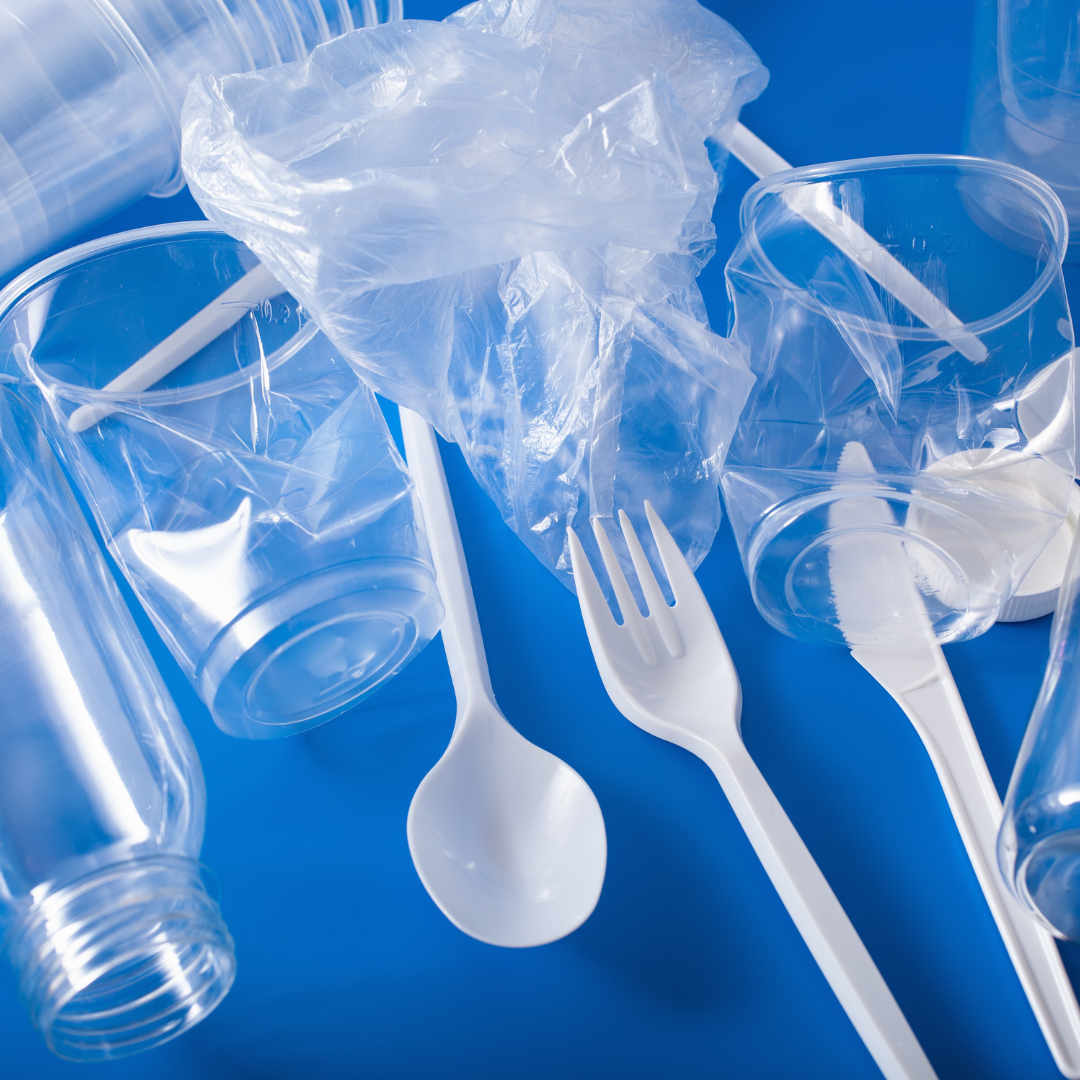
Okay, let's talk medical gadgets! Think about it: so much of what doctors poke, prod, and fix us with is, well, made of plastic. Shocking, right? I mean, where would we be without that vaguely terrifying click of a syringe or the smooth, sterile surface of a surgical tool? We’d probably be back in the Dark Ages, chewing on herbs and hoping for the best.
And behind a lot of that plastic goodness? Plastic injection molding. It’s basically like Play-Doh for grown-ups, but instead of making lumpy snakes, they're crafting super-precise, life-saving components. Let’s be honest, though, calling it ‘Play-Doh for Grown-ups’ probably isn’t the best marketing strategy.
The medical device market is HUGE. Like, ridiculously huge. We’re talking billions of dollars. And guess who's having a little party right in the middle of all that cash? You guessed it: Plastic injection molding. It’s like the cool kid at the med-tech party, showing off its ability to make everything from tiny little gears for inhalers to housings for sophisticated diagnostic machines.
Must Read
My Unpopular Opinion: Plastic Isn't the Enemy
Now, I know what you're thinking. Plastic! The villain! The environmental menace! And, yeah, I get it. But before we start sharpening our pitchforks and marching on the nearest plastic factory, hear me out. When it comes to medical stuff, plastic is often the hero. Think about it – it's lightweight, durable (most of the time!), and, most importantly, it can be sterilized easily. Imagine trying to make a disposable syringe out of, I don't know, wood? Yikes.
And sterilization is where plastic really shines. You can blast it with radiation, soak it in chemicals, even cook it under pressure, and most medical-grade plastics will just shrug and say, "Is that all you got?" Try doing that with grandma's fine china. You'd have a disaster of epic proportions.
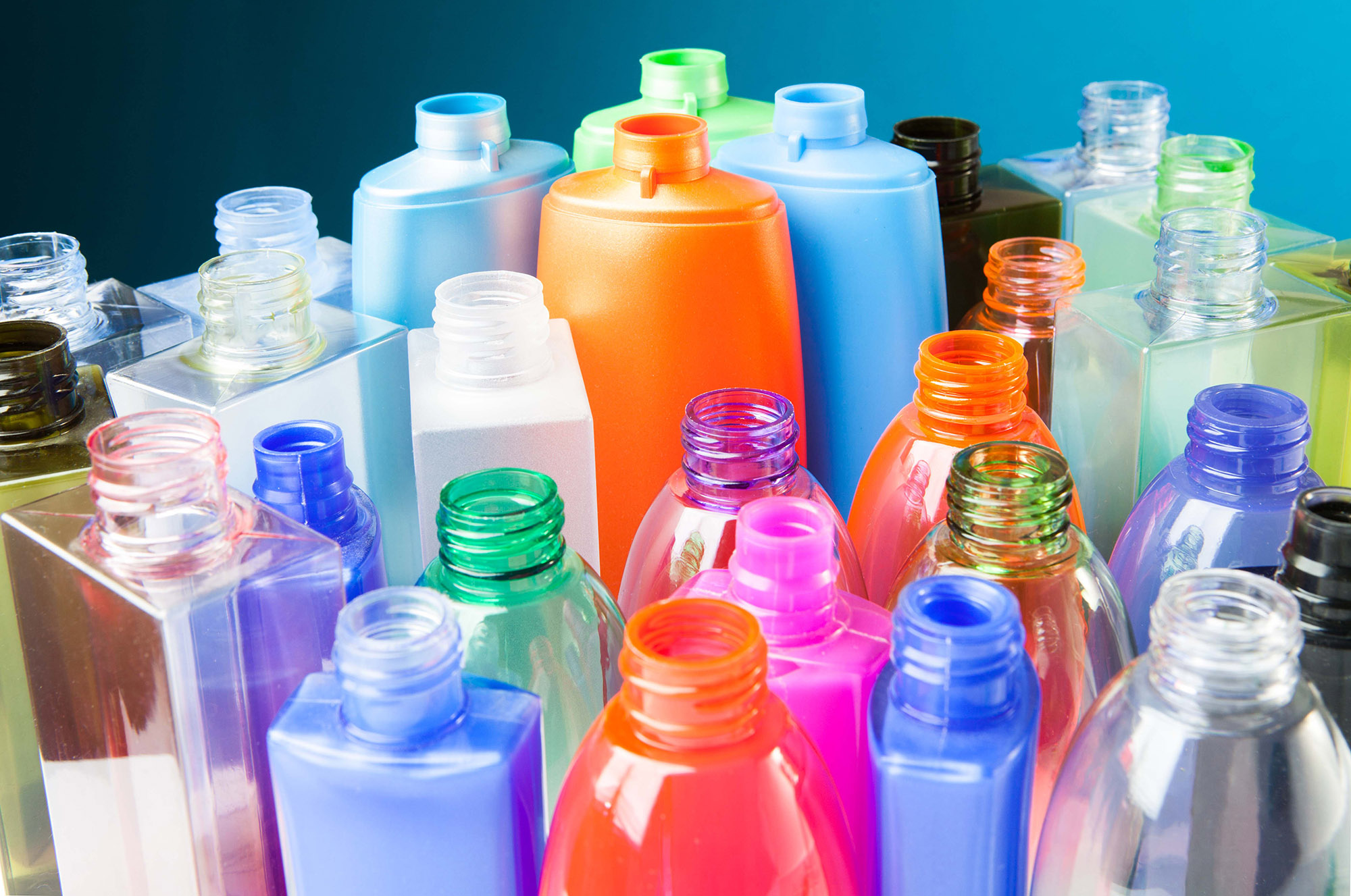
Plus, thanks to plastic injection molding, these plastic components can be made in massive quantities, keeping costs down and making healthcare more accessible. It's not exactly saving the whales, but it IS saving lives. Or at least, making the process of saving lives a little bit easier.
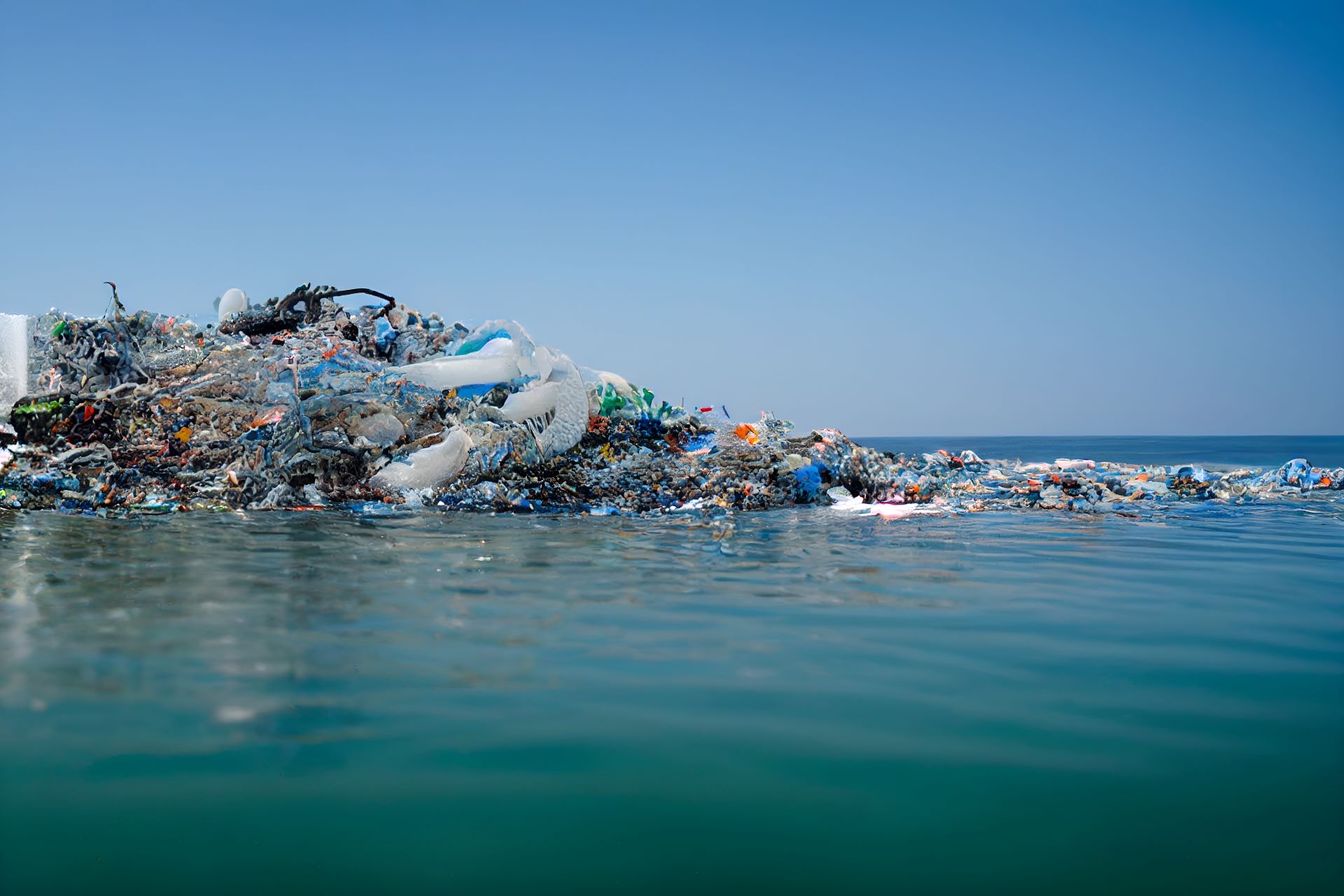
Of course, there's the whole sustainability thing. We can’t ignore the elephant in the (plastic) room. Luckily, smart people are working on bio-plastics and more sustainable molding processes. Hopefully, one day we'll have eco-friendly medical devices that don't cost a fortune.
Why the Fuss About Precision?
Here’s the thing. In the medical world, things have to be perfect. We’re not talking “close enough.” We’re talking fractions of a millimeter. A tiny flaw in a heart valve? Not good. A slightly leaky syringe? Definitely not good. This is where the “injection” part of plastic injection molding comes into play. Molten plastic is injected into a mold under immense pressure, ensuring every nook and cranny is filled perfectly. It’s like squeezing toothpaste onto a toothbrush, but way more precise (and less minty).
It's all about consistency. You want every single syringe plunger to fit perfectly. Every single ventilator part to function exactly as intended. And plastic injection molding, when done right, delivers that consistency. Which is why it's so crucial in this market.

And the future? Think 3D-printed organs (yes, really!). Think even more personalized medicine, with devices custom-made for each patient. Guess what? Plastic injection molding will likely play a role there too. It's not going anywhere anytime soon. And while I might not be throwing any plastic-themed parties, I can appreciate the unsung hero that it is in the grand scheme of healthcare.
So, the next time you’re at the doctor's office, take a moment to appreciate the little plastic bits and bobs around you. They might just be saving your life (or at least, making your doctor's job a lot easier). Maybe even whisper a thank you to plastic injection molding. It deserves it.
After all, even villains need a little bit of appreciation. (Okay, maybe plastic isn't really a villain. But you get my point.)