
Pictures Of Renewable And Non Renewable Resources
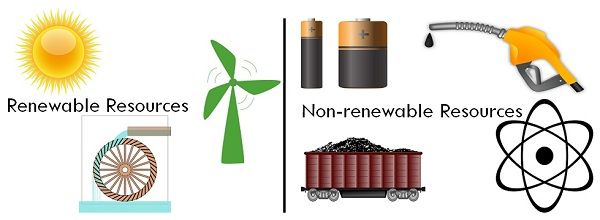
Ever scroll through your phone and see pictures? Wedding photos, silly pet pics, maybe even that questionable selfie from last year's office party. But have you ever stopped to think about the pictures we don't usually see – pictures of the stuff that powers our world?
I'm talking about energy, folks. And not just the caffeinated kind that gets you through Monday morning. I mean the actual resources, both the ones we can keep using and the ones that, well, will eventually run out.
Renewable Resources: The Forever Young Crew
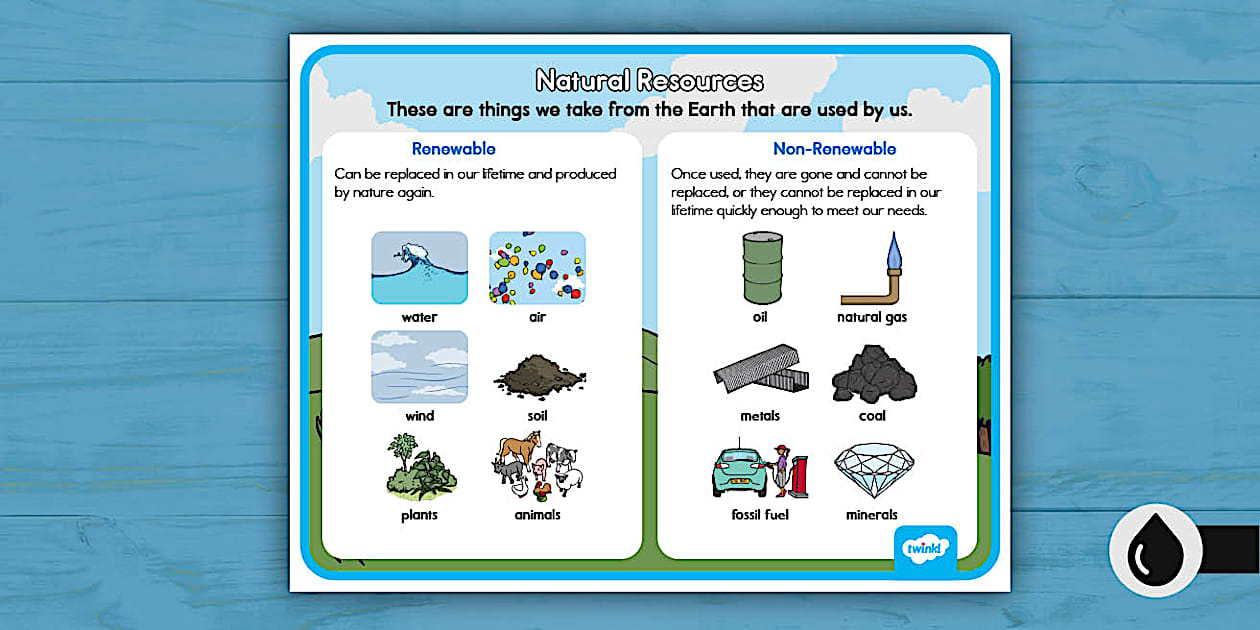
Let's kick things off with the rockstars of the energy world: renewable resources. These are the sources that keep replenishing themselves, like that never-ending bowl of chips at your favorite restaurant. Seriously, someone should investigate that!
Must Read
The Sun: A Giant Ball of Good Vibes (and Energy)
Picture this: a glorious sunrise bathing everything in golden light. That's the sun, folks, our big, burning buddy in the sky! And it's not just pretty to look at; it's a powerhouse.
Solar panels capture this sunlight and turn it into electricity. Think of them as tiny little sun-catchers, working tirelessly to power your home, your electric car, or even your neighbor's excessively bright Christmas lights.
"The sun doesn't give handouts; it shines on everyone equally. Renewable energy should do the same." - A very wise, sun-tanned philosopher (probably)
And the best part? The sun isn't going anywhere anytime soon (scientists say billions of years, so don't stress). It’s like the universe’s way of saying, "Here's some free energy, use it wisely!"
Wind: Nature's Breezy Generator
Now, imagine standing on top of a hill, the wind whipping through your hair. Annoying when you're trying to take a selfie, but fantastic for generating electricity! That's because of wind turbines.
These giant windmills (yes, they're essentially modern windmills) harness the power of the wind to spin turbines and create energy. They’re like giant, graceful dancers, twirling and pirouetting in the breeze.
Wind farms, collections of these turbines, are popping up all over the place. Some people think they're beautiful; others think they're an eyesore. But hey, at least they're not polluting the air!
Water: The Ever-Flowing Power Source
Ah, water. The stuff of life, the source of epic vacation photos, and, you guessed it, a renewable energy source! We use water power in a few different ways.
Hydroelectric dams are probably the most well-known. These giant structures use the force of flowing water to turn turbines and generate electricity. It’s like turning nature's own water slide into a power generator!
Tidal energy is another cool option. Imagine harnessing the power of the tides – the ebb and flow of the ocean – to generate electricity. It's like having the moon itself power your house!
Geothermal: Tapping into the Earth's Inner Heat
Ready for something a little… hot? Geothermal energy taps into the Earth's internal heat to generate electricity or heat buildings directly. Think of it as sticking a giant straw into the Earth's core (but, you know, in a safe and controlled way).
This heat comes from the Earth's molten core, a fiery furnace that's been burning for billions of years. Geothermal energy is clean, reliable, and available 24/7, no matter the weather.
Fun fact: Iceland uses geothermal energy to heat almost all of its homes. Talk about cozy!

Biomass: Turning Trash into Treasure (Almost)
Finally, there's biomass. This is basically any organic matter – wood, crops, even garbage – that can be burned to generate electricity or heat. It's like turning your leftovers into power!
However, it's important to note that biomass isn't always as "renewable" as the other sources, as burning biomass can release greenhouse gases. Sustainable harvesting and responsible management are key.
So, next time you're throwing out your banana peel, remember that it could theoretically power your phone. Just don't try stuffing it into the charging port!
Non-Renewable Resources: The Party's Gonna End Eventually
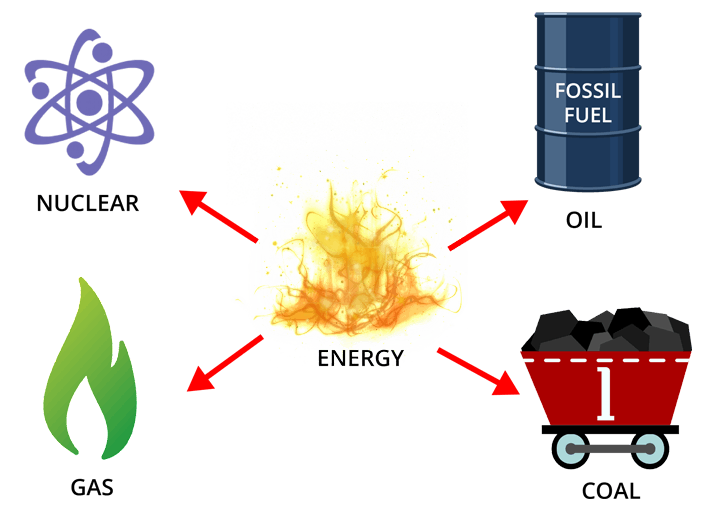
Now, let's talk about the non-renewable resources. These are the energy sources that are finite – meaning there's only a limited amount of them on Earth. Once we use them up, they're gone forever. Think of it like that limited-edition ice cream flavor that everyone raves about, then disappears from the shelves.
Oil: The Black Gold Rush
Ah, oil. The stuff that makes our cars go "vroom," heats our homes (sometimes), and fuels countless industries. It's a thick, black liquid formed from the remains of ancient plants and animals, compressed over millions of years.
Oil is relatively easy to extract and transport, making it a popular energy source. But burning oil releases greenhouse gases, contributing to climate change. Plus, there's the whole "running out" thing to consider.

Imagine a world without gasoline... suddenly that electric scooter looks a lot more appealing, right?
Natural Gas: The Cleaner (But Still Limited) Option
Natural gas is another fossil fuel, often found alongside oil. It burns cleaner than oil, producing fewer greenhouse gases. Think of it as oil's slightly less messy cousin.
We use natural gas to heat our homes, cook our food, and generate electricity. But like oil, it's a finite resource, and its extraction can have environmental consequences.
The extraction process, called fracking, is particularly controversial. While it unlocks natural gas reserves, it can also contaminate groundwater and cause earthquakes.
Coal: The Dirty Workhorse
Coal is a solid fossil fuel formed from the remains of ancient plants, like oil and natural gas. It's been used for centuries to generate electricity, powering factories and lighting up cities.
However, coal is the dirtiest of the fossil fuels, releasing a significant amount of greenhouse gases and air pollutants when burned. It's like that friend who always spills their drink and forgets to say "thank you."
Many countries are phasing out coal-fired power plants in favor of cleaner energy sources. It’s time to retire the old workhorse and find a greener pasture.
Nuclear: The Powerful (and Complicated) Option
Finally, there's nuclear energy. Nuclear power plants use nuclear fission – the splitting of atoms – to generate heat, which then produces electricity. It's a very powerful and efficient way to generate energy.
Nuclear power plants don't release greenhouse gases during operation, making them a carbon-free alternative to fossil fuels. But nuclear waste is radioactive and must be stored safely for thousands of years. Also, accidents can happen and some have happened, such as the chernobyl disaster.
Nuclear energy is like that incredibly smart but slightly unpredictable friend. Lots of potential, but requires careful handling.
The Big Picture (Literally, Imagine a Picture!)
So, there you have it: a whirlwind tour of renewable and non-renewable energy resources. The future of energy lies in transitioning to a sustainable energy mix.
It's like baking a cake – you need the right ingredients and the right recipe to get the perfect result. We need to use a combination of renewable and non-renewable resources to meet our energy needs, while minimizing our impact on the planet.
Because, ultimately, the most important picture of all is the one of a healthy, thriving planet for generations to come. And that’s a picture worth fighting for. Remember to use your energy wisely!