
Piano Etudes For Beginners

Hey you! Ever thought about tickling the ivories? I mean, really tickling them?
So, piano etudes. What ARE they? Sounds kinda… fancy, right? Don't let the name scare you! Think of them as mini-missions. Piano exercises with a purpose!
They're short, musical pieces designed to help you nail specific skills. Think scales on steroids! But way more fun.
Must Read
Why Etudes Rock (Even for Beginners!)
Okay, let's be real. Scales can be snoozefests. Etudes? They're like scales disguised as tiny songs! Shhh! Don't tell the scales.
Imagine this: You're struggling with playing smoothly. A legato etude swoops in! Bam! Problem solved (eventually). Or maybe your fingers feel clumsy. Staccato etudes to the rescue! Short, punchy notes – finger agility, activated!
They're also super satisfying. You actually hear progress. It's not just drilling scales for hours (although scales are important too... sorry!). You're making music! Tiny, awesome, skill-boosting music!
Fun fact: The word "etude" comes from the French word for "study." But don't let that make you think it's boring homework! Think of it as a "study in awesomeness."
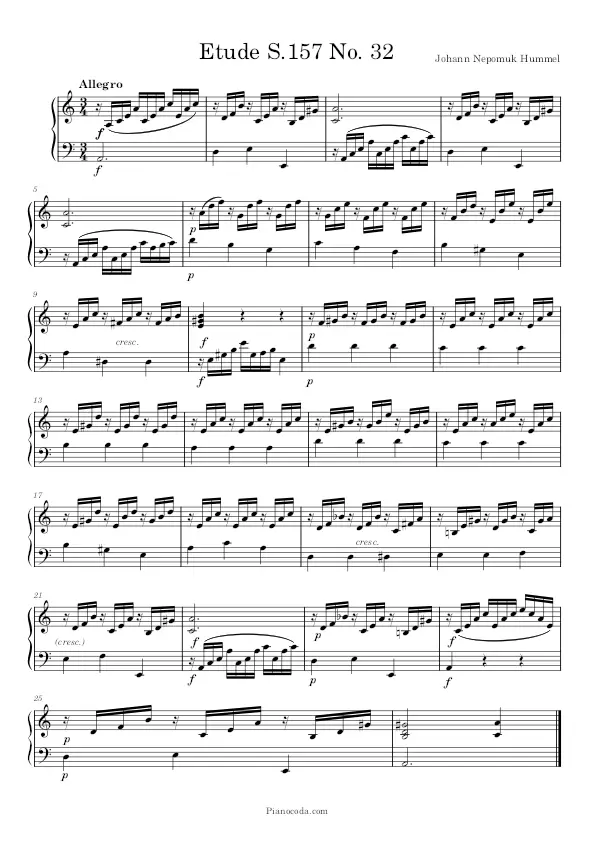
Beginner Etudes: Where to Start the Adventure
Alright, ready to dive in? Awesome! But where do you even BEGIN? Don't just grab the hardest Liszt etude you can find. Trust me. Ouch.
Look for etudes specifically labeled for beginners. They'll focus on fundamentals. Things like:
- Finger independence
- Smooth scales (legato!)
- Crisp, detached notes (staccato!)
- Basic rhythm
Think of it like learning to drive. You don't start with a Formula 1 race. You start with… well, actual driving lessons! Same idea here.
Czerny is your friend! Carl Czerny was basically the king of piano etudes. He wrote TONS. Many of them are perfect for beginners. They're clear, concise, and focus on specific techniques. Plus, some of them are actually kinda catchy! (Don't tell anyone I said that).

Also, check out etudes by:
- Burgmüller
- Duvernoy
Pro-tip: Don't just sight-read through etudes once and move on. Practice them! Really dig into them. Focus on accuracy and evenness. Small, focused practice sessions are way more effective than marathon sessions fueled by caffeine and desperation.
Making Etudes Fun (Yes, Really!)
Okay, let's face it. Repetition can get… repetitive. How do we keep etudes from feeling like a chore?
Spice it up!
Try playing them in different keys. Experiment with different tempos. Add dynamics! Play around with the articulation. Make it your own!

Record yourself playing. It can be surprisingly insightful. Plus, it's fun to listen back and hear your progress. (And maybe cringe a little at your mistakes. We all do it!).
Find a piano buddy! Practice etudes together. Encourage each other. Share tips and tricks. Misery loves company… but so does musical progress!
And most importantly: remember why you're doing it! You're not just practicing etudes. You're building skills. You're becoming a better pianist. You're making music! And that's pretty darn cool.
The Quirky Side of Etudes
Did you know some etudes are super famous concert pieces? Chopin's etudes, for example, are considered masterpieces. They're incredibly challenging and beautiful. They're not exactly beginner-friendly, but it's something to aspire to!
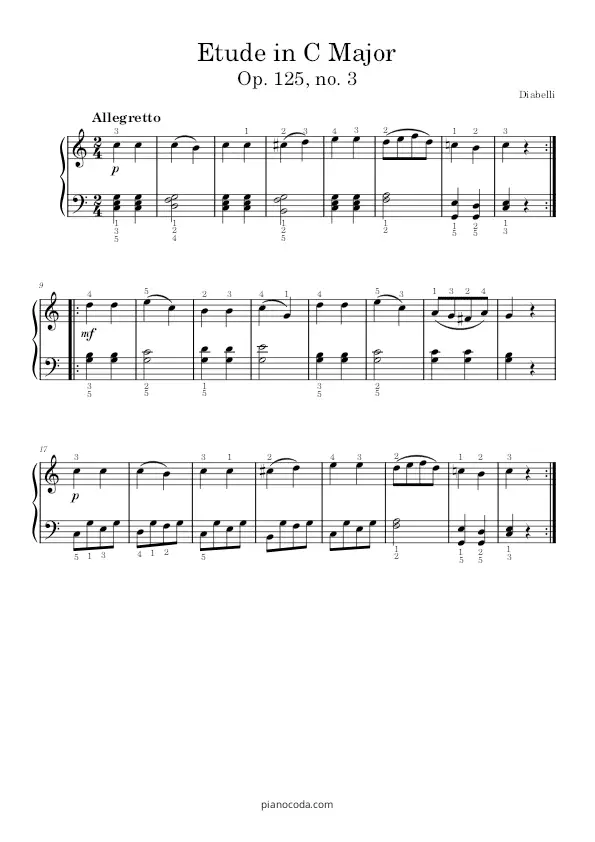
Some composers even wrote etudes disguised as other things! Like dances or character pieces. Sneaky!
Imagine Chopin trying to sell his publisher an etude.
Chopin: "It's not just an exercise! It's a... a nocturne-etude! Very romantic!"
Publisher: "Sure, Jan."
Basically, etudes aren't just drills. They're a playground for musical ideas. They're a way to push your boundaries and explore your potential.
So, What Are You Waiting For?
Go forth and conquer those etudes! Don't be afraid to experiment. Don't be afraid to make mistakes. And most importantly, don't forget to have fun!
Happy practicing! And remember, even the greatest pianists started with… beginner etudes!