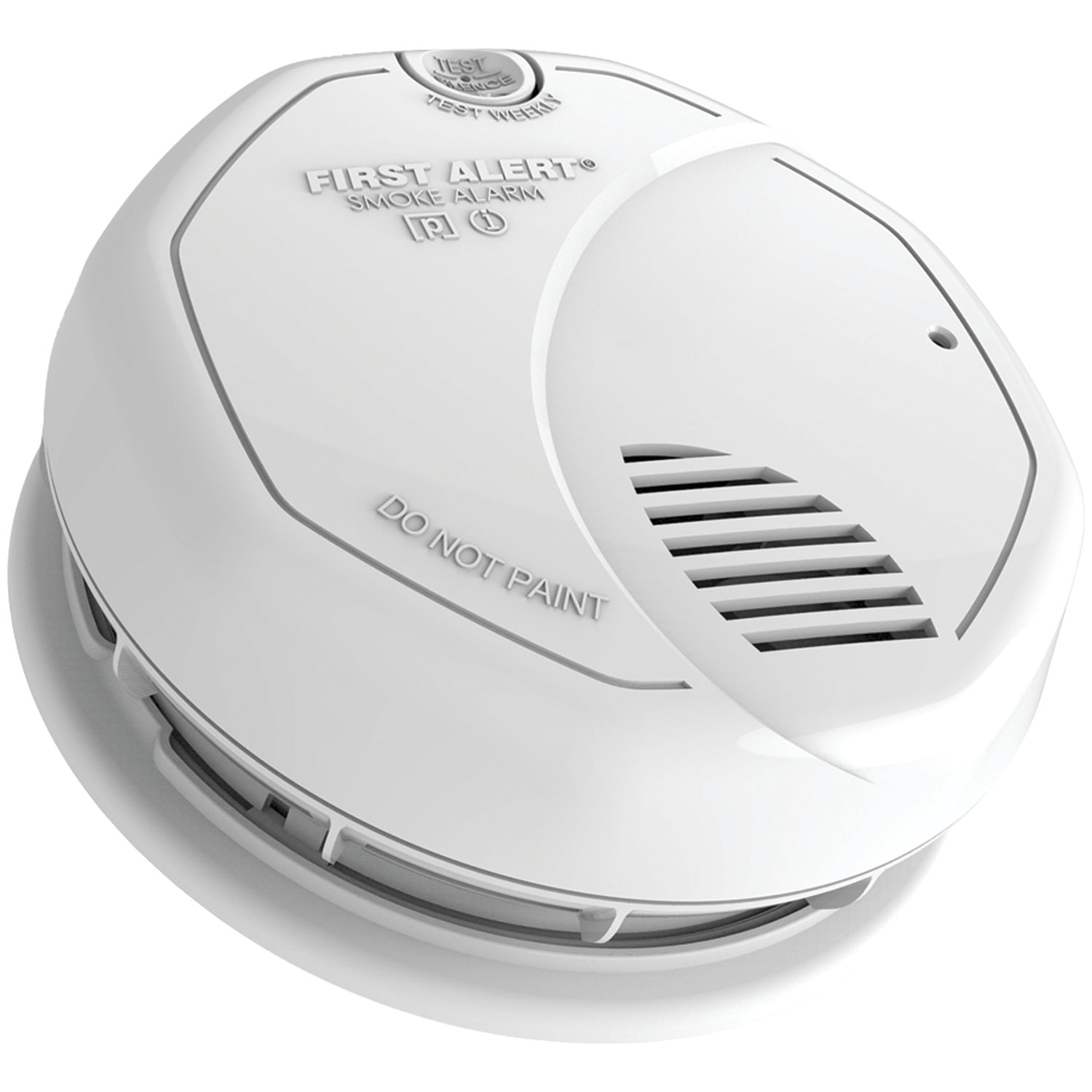
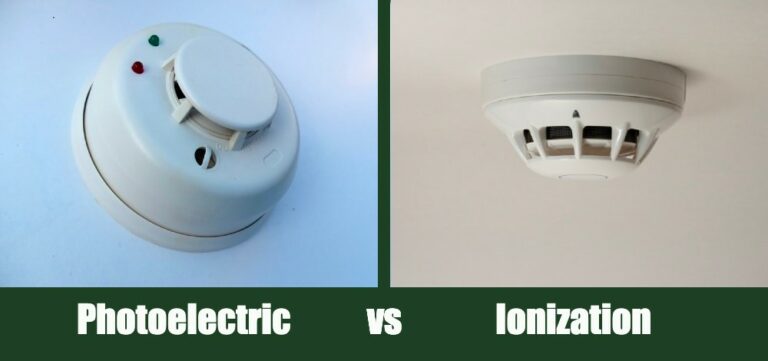
Photoelectric And Ionization Smoke Alarm
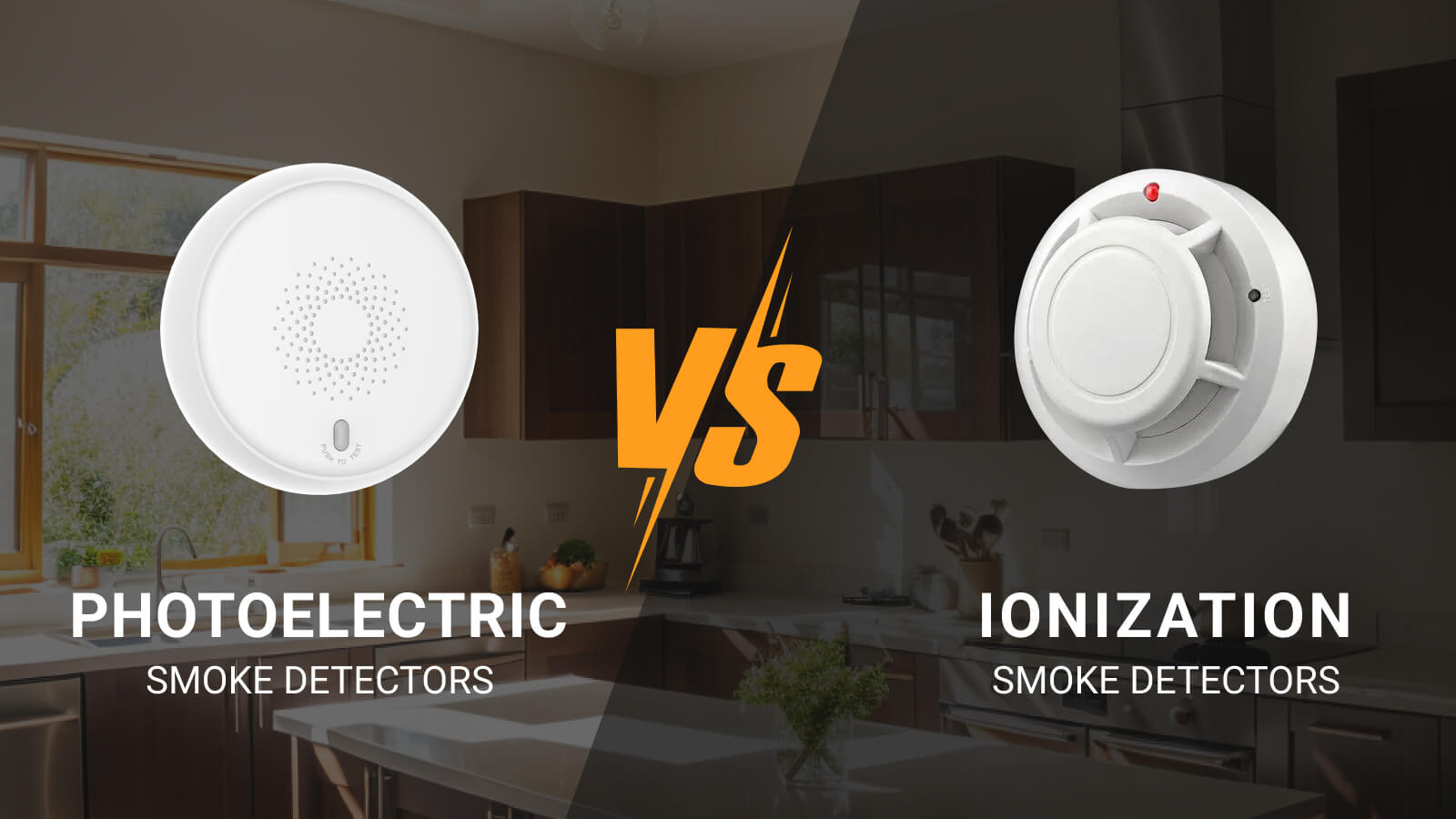
Ever thought about the unsung heroes hanging above our heads, quietly standing guard? We’re not talking about guardian angels, but those ubiquitous disks that hum with silent purpose: smoke alarms! More than just a chirping nuisance when your toast gets a bit too crispy, these devices are marvels of modern engineering. Understanding how they work isn't just about safety; it's like unlocking a secret superpower for your home, allowing you to become a true connoisseur of domestic security. It’s an appreciation for the ingenious design that keeps us all a little safer, a little more at ease.
For the savvy homeowner, the curious DIYer, or anyone who simply appreciates clever design, delving into the world of photoelectric and ionization smoke alarms isn't just about ticking a box. It’s about empowerment! It’s knowing you’ve chosen the right tool for the right job, much like an artist selecting the perfect brush for a specific stroke. You become the curator of your home's safety, making informed decisions that protect what matters most – your loved ones and your cherished belongings. It elevates safety from a chore to an act of informed care, giving you genuine peace of mind.
Did you know there are two main "schools" of smoke detection, each with its own special talents? Think of them as different experts for different fire scenarios. First, we have the ionization alarms. These are like the quick-witted sprinters, designed to detect those fast-flaming fires that produce tiny, invisible smoke particles. Imagine a kitchen grease fire or paper igniting quickly – the ionization alarm is often the first to sense that change in the air. On the other hand, photoelectric alarms are the patient observers, excellent at spotting large, visible smoke particles from smoldering fires. Think of a forgotten pot on the stove slowly filling the room with smoke, or an overloaded electrical outlet causing wires to heat up and smolder. These alarms are more sensitive to those puffy, slow-burning smokes. Many modern homes now feature dual-sensor alarms, which combine both technologies, offering comprehensive protection like a true safety superhero squad!
Must Read
Ready to become a smoke alarm connoisseur and apply this knowledge at home? It's easier than you think! First, take a moment to check your current alarms. Most have a small label on the back indicating whether they are ionization, photoelectric, or dual-sensor. Then, consider where they are placed. Generally, ionization alarms might be better near areas prone to fast fires (like kitchens, but not too close to cooking fumes that cause false alarms!), while photoelectric alarms often shine in bedrooms and living areas, where smoldering fires are a greater risk. And remember, the golden rules: test them monthly by pressing the test button, and replace their batteries annually (unless they have 10-year sealed batteries, which are a fantastic upgrade!). It’s a small effort for a huge safety upgrade.
So, next time you glance up at that little disk on your ceiling, don't just see a utility. See a testament to human ingenuity, a silent protector working tirelessly. Understanding these clever gadgets brings a surprising sense of satisfaction and control. It's not just about installing a device; it’s about investing in tranquility and marveling at the simple yet profound science that keeps our homes safe and sound. Who knew understanding smoke alarms could be so fascinating and, dare we say, enjoyable?