
Peco Energy Rates Per Kwh

Alright, gather 'round, folks, and let's talk about something truly riveting: your Peco energy bill. Yes, that little envelope (or email, you modern marvel, you) that arrives every month and makes you question every single lightbulb decision you've ever made. Specifically, we're diving into the mystical world of Peco energy rates per kWh. Don't worry, it'll be fun, I promise! Or at least, funnier than actually reading your bill line by line.
What Even IS a kWh, Anyway?
First things first, let's demystify the star of our show: the kWh. That's short for kilowatt-hour. Now, if you're like me, your eyes might have glazed over at "kilowatt." But think of it this way: a kilowatt is 1,000 watts. And if you run something that uses 1,000 watts for an hour, congratulations, you've just used 1 kWh!
So, if you have a fancy 100-watt LED bulb (which is, let's be honest, probably brighter than the sun), you'd have to leave that bad boy on for ten hours to hit 1 kWh. Your fridge, however, is probably chugging along more like 750 watts. So, in just a little over an hour, it's already used 1 kWh. And your toaster? It's a power hog for those fleeting moments of golden-brown goodness, maybe 1200 watts, but thankfully it's only on for a few minutes. It's like a tiny, energy-intensive dragon, breathing fire briefly.
Must Read
Peco charges you a certain amount for every one of these kWh units you consume. It's the core ingredient in your bill, like flour in a cake, but less delicious and more likely to induce an existential crisis.
Why Does My Rate Change More Than My Mood on a Monday Morning?
You might notice your rate per kWh isn't always the same. It's not Peco just messing with you (probably). It's a mix of things:
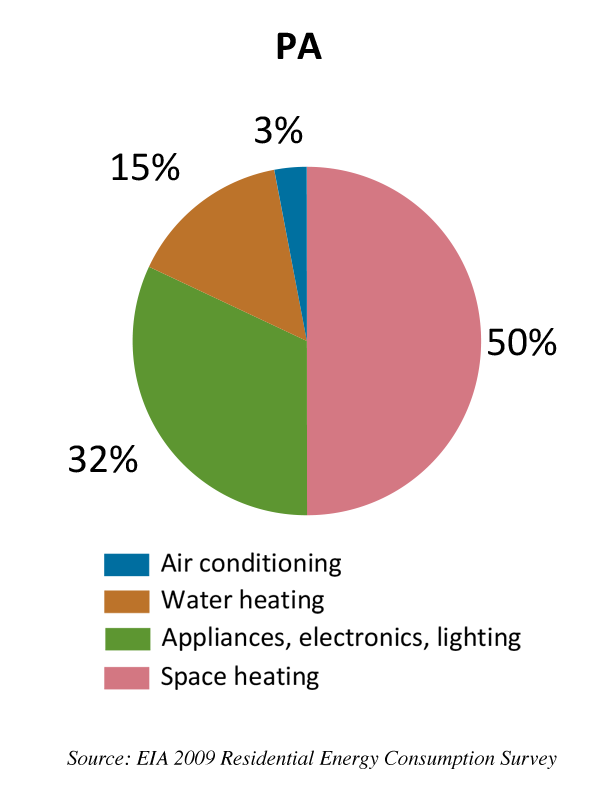
Supply Cost: This is the big one. It's what Peco pays to actually buy the electricity from power generators. Think of it like grocery shopping, but for electrons. Prices fluctuate based on fuel costs (natural gas, nuclear, renewables), demand (hello, scorching summer heatwaves!), and even the time of year. Summer and winter typically see higher demand, because nobody wants to be a sweaty mess or an icicle, right?
Delivery Charges: This is what Peco charges to transport that electricity from the power plant, through miles of wires, across utility poles, past squirrels, and finally, into your home. These charges cover maintenance, infrastructure, and keeping the lights on (literally). It's like paying for the delivery driver and the upkeep of their truck, even if you never see them. You're basically funding a vast, invisible highway for tiny, electron-sized cars.
So, when you look at your bill, you'll see charges for supply and delivery. Peco sets the delivery rates, but the supply rate is where things get interesting.
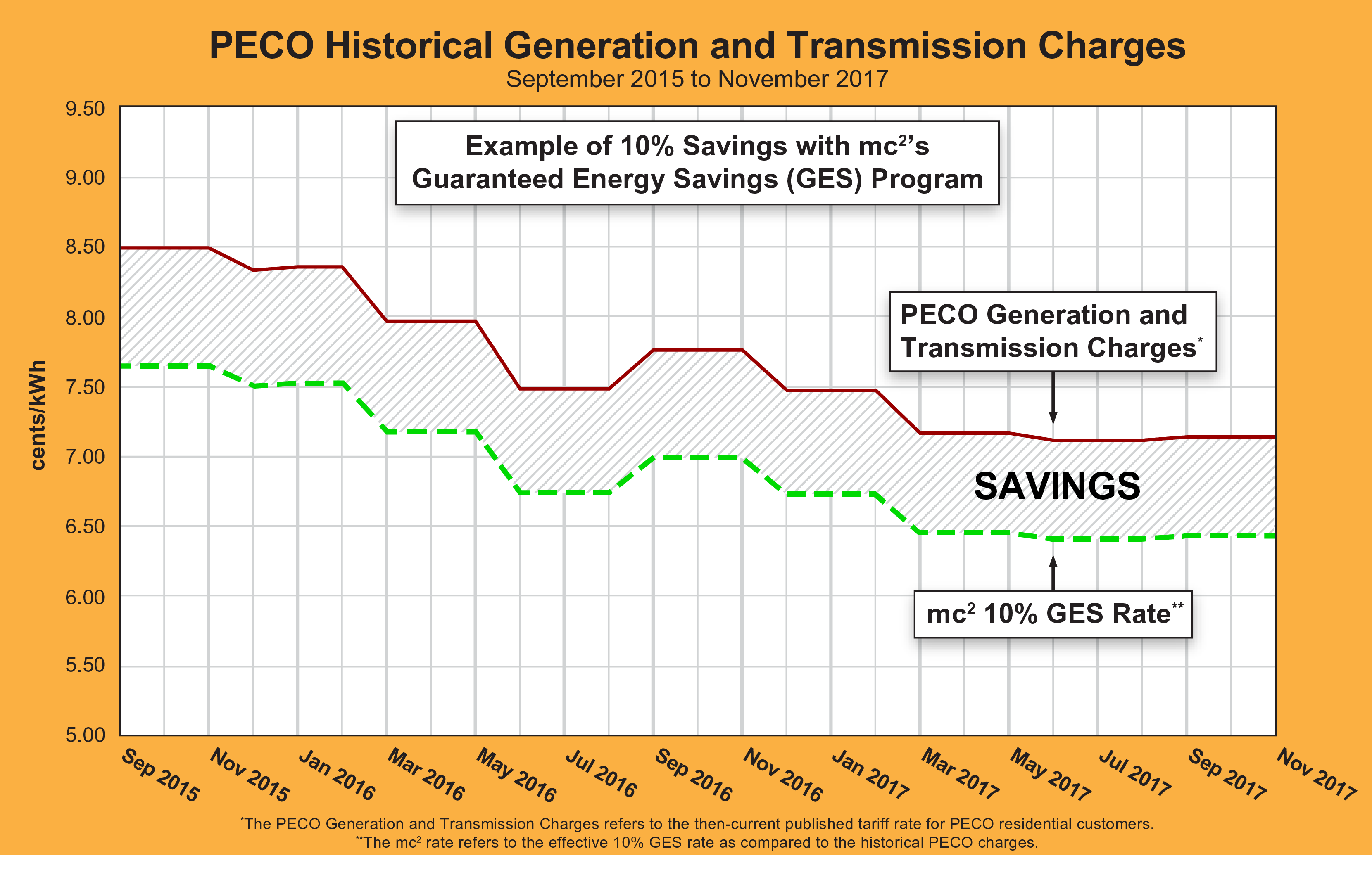
The Mystical "Price to Compare"
Here's where it gets juicy, and where you, dear reader, can potentially save some dough. Peco, as a regulated utility, has what's called a Price to Compare (PTC). This is Peco's default energy supply rate.
Think of it as Peco saying, "Hey, this is our standard rate for electricity. If you don't pick another supplier, this is what you'll pay." But here's the kicker: you don't have to stick with Peco for your supply! You can shop around!
Yes, you heard me right! It's like choosing your phone carrier. You can stick with the big name, or you can find a smaller, potentially cheaper, provider. Peco still delivers the electricity and handles emergencies, but the actual "stuff" you're burning in your lightbulbs could come from someone else. It's like having your favorite pizza place (Peco) deliver a pizza made by a different, potentially cheaper, chef.
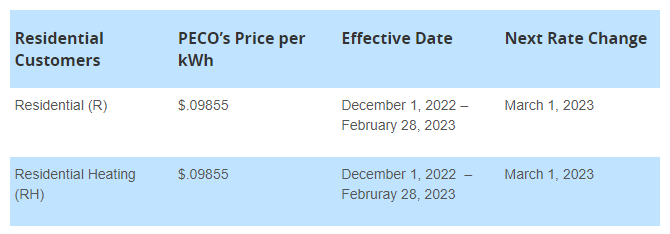
How to Not Get Shocked by Your Bill (Too Much)
So, armed with this profound knowledge, what can you do?
1. Find Your Price to Compare: Dig out your Peco bill. Somewhere on there, usually in a nice, clear box, you'll see the Price to Compare. Note that number. It's your baseline, your benchmark, your sword against high rates!
2. Shop 'Til You Drop (for Electricity): Head over to the Pennsylvania Public Utility Commission's (PAPUC) website, specifically their PA Power Switch site. This is not an ad, folks, it's a public service! It's a marketplace where you can compare different electricity suppliers' rates against Peco's PTC.
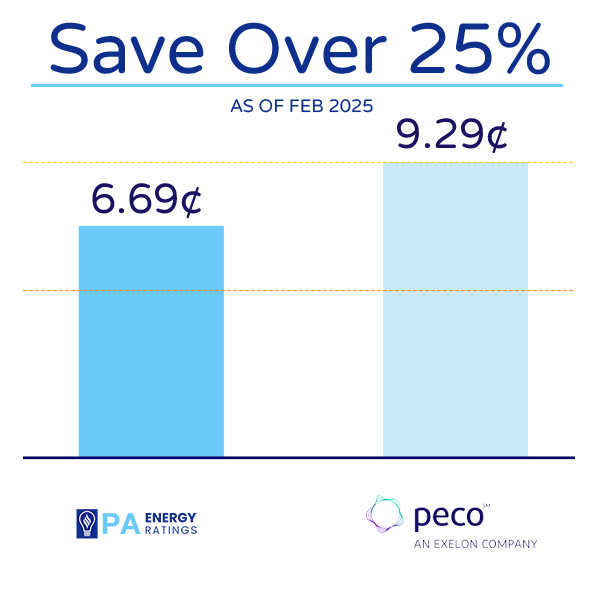
3. Compare Apples to Kilowatt-Hours: Look for rates lower than Peco's PTC. Pay attention to whether they're fixed rates (good for stability) or variable (can change, sometimes dramatically). Watch out for introductory rates that spike later, or sneaky cancellation fees. Read the fine print! It's not as thrilling as a spy novel, but equally important.
4. Conserve, Conserve, Conserve: This one's a no-brainer. Unplug chargers, turn off lights when you leave a room (unless you're trying to attract aliens), seal those drafty windows. Every kWh you don't use is a kWh you don't pay for. It's like getting a free scoop of ice cream, but for your wallet!
In conclusion, Peco energy rates per kWh aren't some dark magic performed by shadowy figures. They're understandable, and with a little effort, you can take control. So go forth, savvy energy consumer! Demystify that bill, compare those rates, and maybe, just maybe, save enough for that extra fancy coffee next time you're contemplating the mysteries of your power usage. Your wallet (and possibly your sanity) will thank you.