
Outdoor Security Camera Placement Diagram
Ever had that little tickle of worry, wondering if that package actually got delivered, or if the kids left their bikes out again? Or maybe you just want to know which squirrel keeps trying to break into the bird feeder (it's always the same one, isn't it?). We all want to feel safe and sound in our homes, and that's where outdoor security cameras come in handy. But here's a secret: slapping a camera up willy-nilly isn't quite the magic bullet. The real superpower? Thoughtful placement.
Think of it like setting up for a really good game of hide-and-seek. You wouldn't hide in plain sight and expect not to be found, right? And you wouldn't expect to find someone if you were looking the wrong way. The same goes for your security cameras. Getting their "eyes" in the right spots means you actually get useful footage – the kind that solves mysteries, deters porch pirates, and keeps an eye on your castle.
Mapping Out Your Home's Eyes: Where to Look First
Before you even think about drilling, grab a cup of coffee and take a little walk around your property. Imagine you're a friendly, curious detective (or maybe that sneaky squirrel). Where are the important spots? Where are the hidden corners? This little mental exercise is essentially your "security camera placement diagram" taking shape in your head.
Must Read
Let's break down the key areas, like drawing little X marks on your mental map:
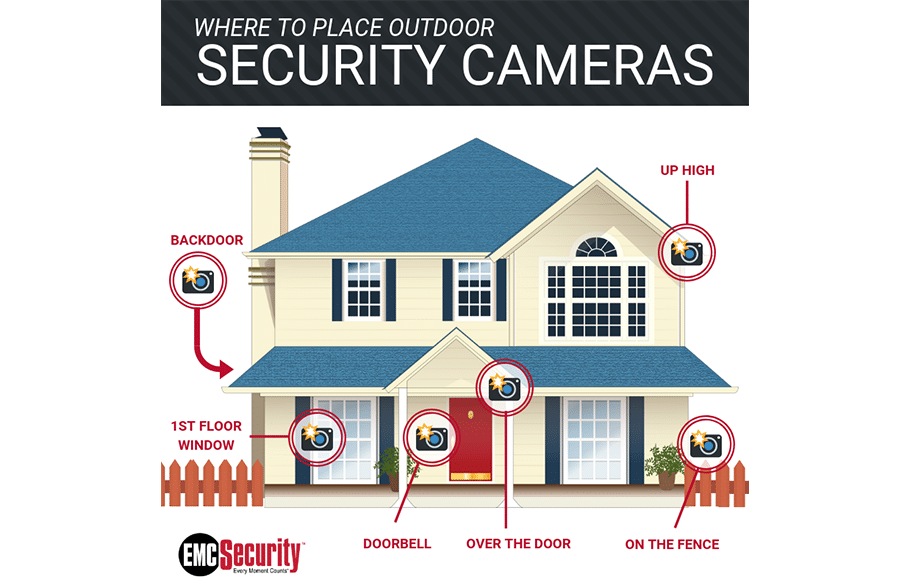
The Grand Entrance: Front Door & Porch
This is probably the most obvious spot, and for good reason. It's the welcome mat to your home, and unfortunately, it's also where a lot of things happen – good and bad. Package deliveries, friendly visitors, and the occasional uninvited guest. This camera is your home's first greeter and first line of defense.

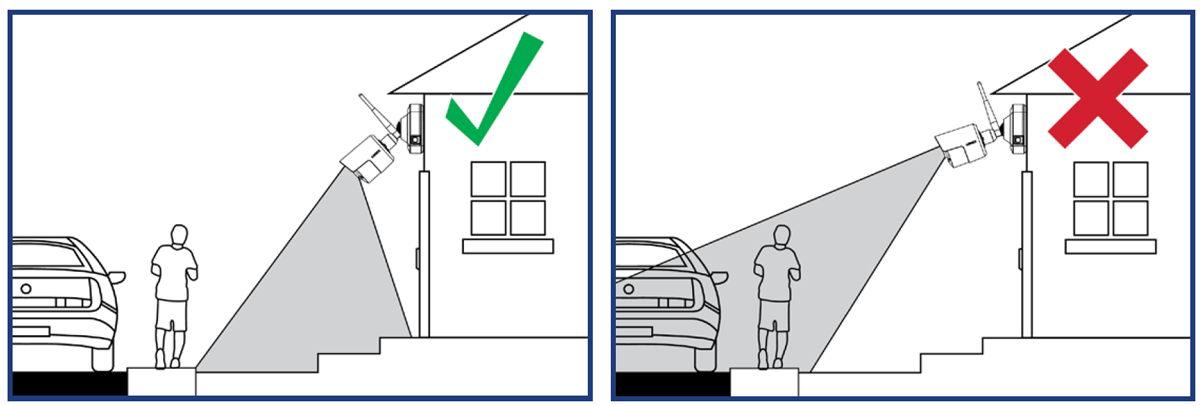
Placement Tip: Aim for a height of about 8-10 feet off the ground. This keeps it out of easy reach for tampering and gives you a nice, downward angle to capture faces and package activity. You want to see the whole porch, and anyone approaching it, not just their hat!
The Sneaky Shortcuts: Back & Side Doors
Often overlooked, these entrances can be just as vulnerable as your front door. It's like forgetting to lock the back door after letting the dog out – an easy mistake with potentially big consequences. If someone's trying to be discreet, they'll often go for these less visible points.
Placement Tip: Treat these just like your front door. High enough to be secure (8-10 feet), angled to cover the door itself and the immediate approach. Make sure it captures anyone coming from the side yard or around the back.
The Vehicle Vault: Driveway & Garage
Our cars, bikes, tools, and sometimes even the kids' favorite toys often reside here. A camera covering your driveway and garage can be super helpful for keeping an eye on your vehicles, finding out who actually dinged your car door, or confirming if the garage door was indeed closed properly. (We've all had that moment of "did I leave it open?").
Placement Tip: Try to mount a camera that gives you a wide view of the entire driveway, from the street up to the garage door. Consider one that faces the garage door specifically, capturing anyone approaching it. If your driveway is long, you might even consider two!
The Clear Viewpoints: Ground-Floor Windows
While you wouldn't typically put a camera inside a window, placing one outside to cover the approach to vulnerable ground-floor windows is a smart move. This means if someone is trying to peek in or test a lock, you'll have a clear view. It's like giving your windows their own watchful guardian!

Placement Tip: Position the camera to cover the window area, but don't aim it so close that you only get a blurry reflection. Give it enough distance to capture anyone standing near or trying to manipulate the window.
The Great Outdoors: Yard & Perimeter
Do you have a shed full of gardening tools, a fancy grill, or a play area where the kids leave their things? Covering your general yard space can offer a broader sense of security. It's not just about deterring intruders; it's also great for monitoring kids playing or keeping an eye on pets.
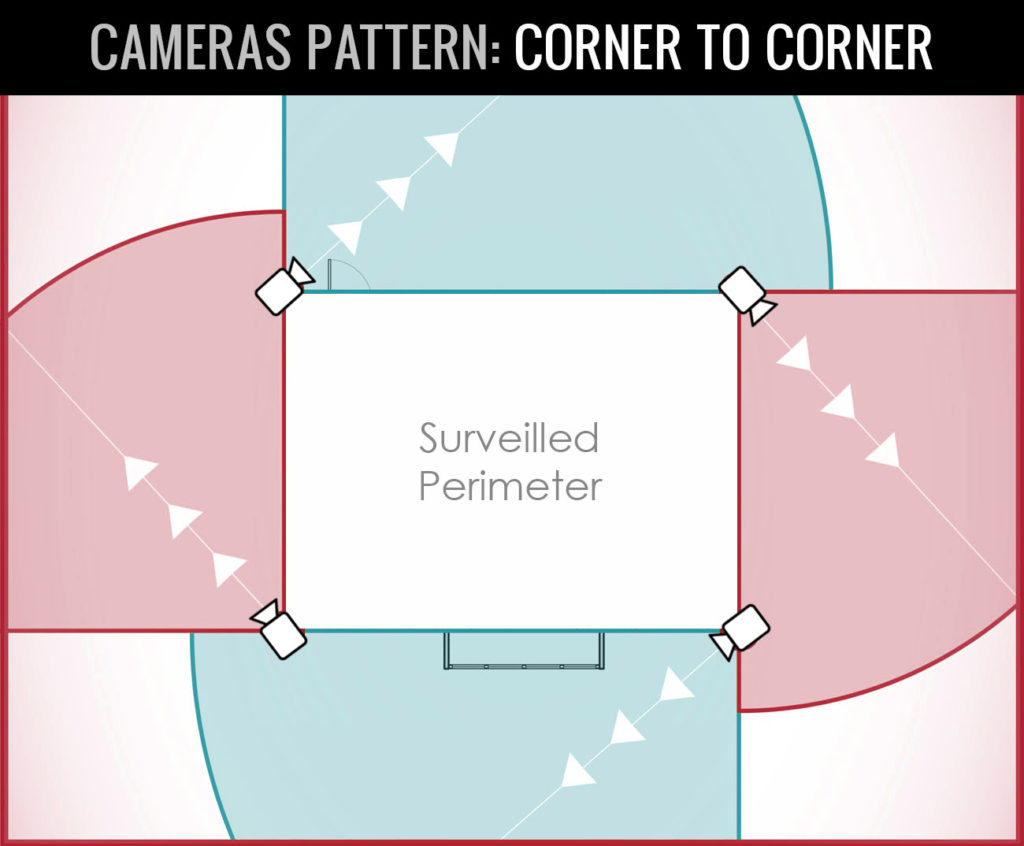
Placement Tip: For larger areas, a camera with a wider field of view is your friend. Think about covering pathways, fence lines, and any areas where valuables might be stored. Just be mindful of your neighbors' privacy – try not to point directly into their windows or private spaces!
Putting It All Together: Your Own DIY Diagram
Now that you've got these key spots in mind, grab a pen and paper. Sketch out a super simple bird's-eye view of your home. Draw little circles or X's where you envision each camera going. This isn't about being an architect; it's about visualizing!
Pro-Tip Fun Fact: After you've installed a camera, use its app to actually test the view. Walk around the scene, pretend to be a delivery person, a kid looking for a lost ball, or even that persistent squirrel. See what the camera sees! Adjust as needed until you're happy with the coverage.
Remember, the goal isn't to turn your home into a high-security fortress that feels unwelcoming. It's about giving yourself that little extra peace of mind, knowing that you've got smart, watchful eyes in all the right places. It's about being prepared, not paranoid, and having the satisfaction of knowing your home and family are just a little bit safer. So go on, map out your security plan – it's easier and more empowering than you think!