Operating Plans Accomplish Which Of The Following

Okay, so you're wondering what operating plans actually do, right? Like, beyond the boardroom buzzwords and fancy charts. I get it. It's easy to glaze over when people start talking about "strategic alignment" and "resource optimization." (Yawn! Did I just say that out loud?)
Basically, an operating plan is your team’s roadmap to success. It's the "how" to your "what." Think of it as your business GPS. You know where you want to go (the strategic goals), but the operating plan figures out the best route to get there, avoiding all those metaphorical potholes and traffic jams along the way.
So, what specifically do these plans accomplish? Buckle up, buttercup, because we're about to dive in!
Must Read
Clarity, Clarity, Clarity!
First and foremost, operating plans bring crystal-clear clarity. No more wandering around in the dark, hoping you'll accidentally stumble upon greatness (though, hey, that can happen sometimes!). They spell out exactly what everyone is supposed to be doing. Who's responsible for what? When are things due? All the nitty-gritty details that prevent total chaos.
Imagine a symphony orchestra without a conductor or sheet music. Sounds like a disaster, right? An operating plan is your conductor and sheet music, making sure everyone is playing the same tune, at the same tempo, and (hopefully) in the same key!

Resource Allocation: Where the Money Goes!
Next up: resource allocation. You know, the fun part where you decide where all the money, manpower, and materials are going to go. It’s like deciding how to divide up the pizza – everyone wants a slice, but some slices are definitely more coveted than others (pepperoni, anyone?). An operating plan helps you make those tough decisions fairly (or at least, in a way that makes the most sense for the company's goals).
And it's not just about the money! Time is also a precious resource. An operating plan helps you figure out how to effectively use everyone’s time so you can actually get work done instead of just sitting in endless meetings. (We've all been there, right?)
Coordination is Key (No, Seriously!)
Operating plans foster better coordination between departments and teams. No more stepping on each other's toes or accidentally launching competing initiatives! It's like a perfectly choreographed dance – everyone knows their steps, and they move in sync.
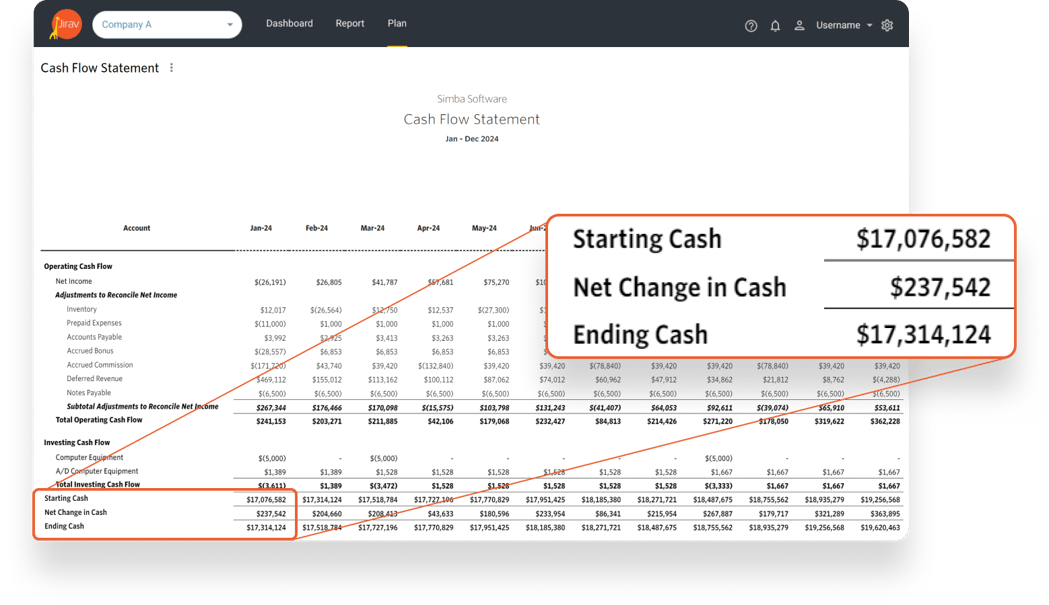
Think of it like building a house. The electricians need to know what the plumbers are doing, and the carpenters need to know what the electricians are doing. If everyone's just winging it, you're going to end up with a house that has pipes running through electrical outlets. (Not a good look, or a safe one!).
Performance Monitoring: Keeping an Eye on Things
Performance monitoring is another big one. How do you know if your operating plan is actually working? Well, you track your progress, of course! An operating plan sets up the key performance indicators (KPIs) so you can see if you’re on track to reach your goals. It's like having a dashboard in your car that tells you how fast you're going, how much gas you have left, and whether your engine is about to explode. (Hopefully not that last one!).
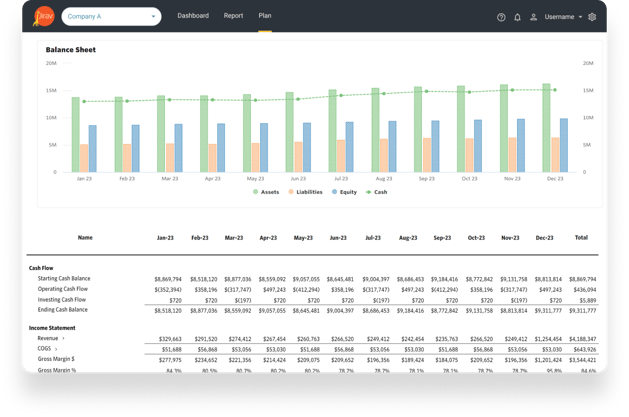
If things aren't going as planned (and let's be honest, they rarely do exactly as planned), you can make adjustments along the way. An operating plan isn't set in stone. It's a living document that should be updated regularly to reflect the changing realities of the business world. Flexibility is crucial.
Risk Management: Anticipating the Unexpected
And last but not least, operating plans help with risk management. What could possibly go wrong? (Don't answer that!). By identifying potential risks ahead of time, you can develop strategies to mitigate them. It’s like having an umbrella ready for a rainy day – you might not need it, but it's better to be prepared just in case.
So, there you have it! Operating plans accomplish a lot. They provide clarity, allocate resources effectively, improve coordination, monitor performance, and help manage risks. They're basically the unsung heroes of the business world. Now go forth and conquer...with a well-crafted operating plan in hand!