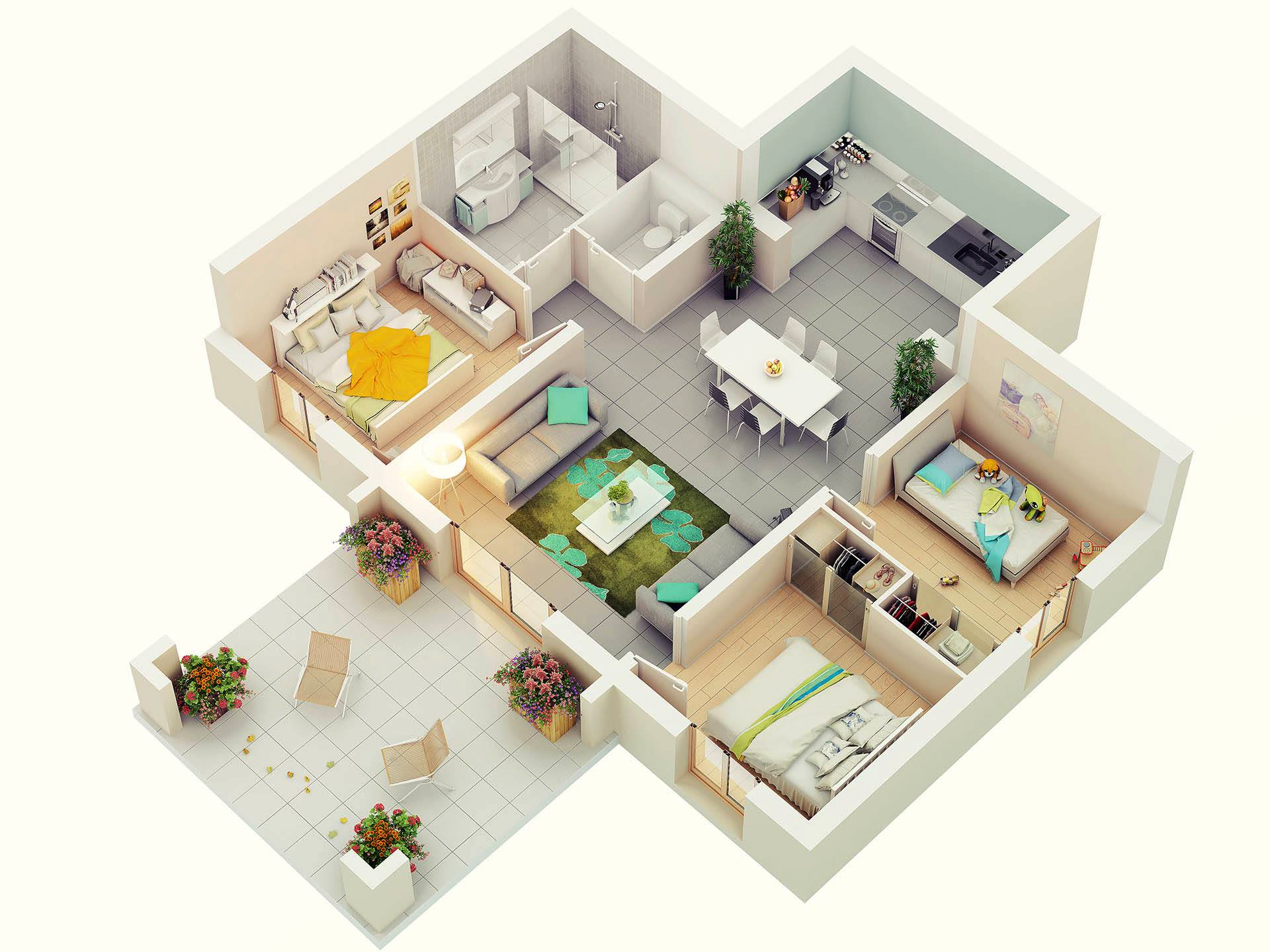
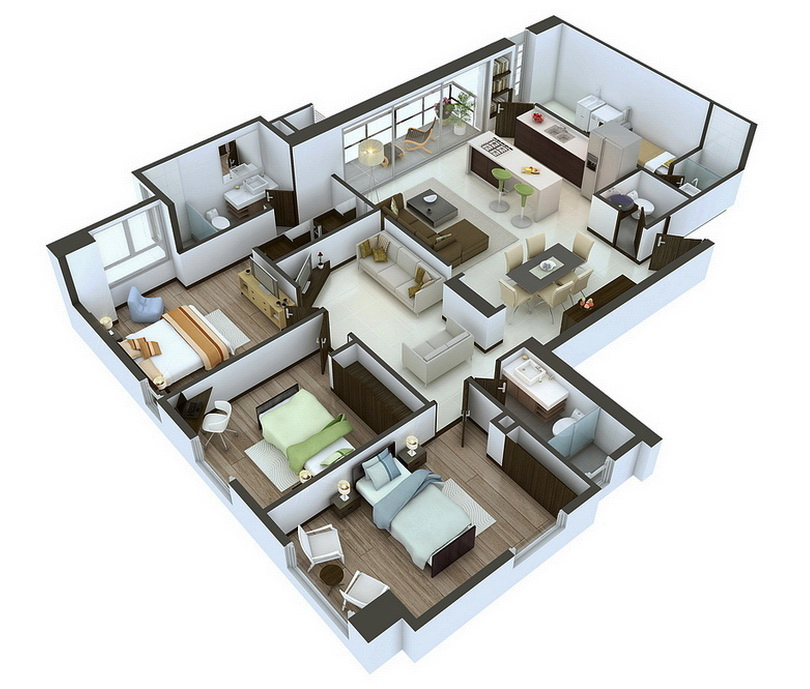
Open Floor House Plans 3 Bedroom

Ever scrolled through home listings and been mesmerized by those spacious, airy photos? Chances are, you were looking at an open floor plan. And if you're dreaming of a 3-bedroom home, understanding open floor plans is more relevant than ever. Why? Because it's one of the hottest trends in home design, and it can dramatically impact how you live and interact within your space. It's not just about aesthetics; it's about creating a more functional and social environment.
So, what exactly is an open floor plan? Simply put, it's a layout that minimizes walls and doors between common living areas like the living room, dining room, and kitchen. Think of it as one large, flowing space instead of several smaller, compartmentalized rooms. The primary purpose of this design is to foster a sense of connection and spaciousness. In a 3-bedroom home, this can be especially beneficial, maximizing the usable square footage and creating a hub where family members can easily interact, even while engaged in different activities.
The benefits are numerous. For starters, it's fantastic for entertaining. Imagine hosting a dinner party where you can effortlessly mingle with your guests while preparing food in the kitchen. No more feeling isolated in a separate room! Open floor plans also improve natural light flow throughout the house. Fewer walls mean more sunlight can penetrate deeper into the interior, creating a brighter and more cheerful atmosphere. And let's not forget the sense of spaciousness. Even a smaller 3-bedroom home can feel significantly larger with an open layout.
Must Read
How does this translate to everyday life? Consider a family with young children. An open floor plan allows parents to keep a watchful eye on their kids playing in the living room while preparing meals. It's also ideal for homeschooling or collaborative projects, providing a shared space where everyone can work together. From an educational perspective, open floor plans can foster a sense of community and encourage interaction and communication, not just at home, but also in schools or co-working spaces that adopt similar designs.
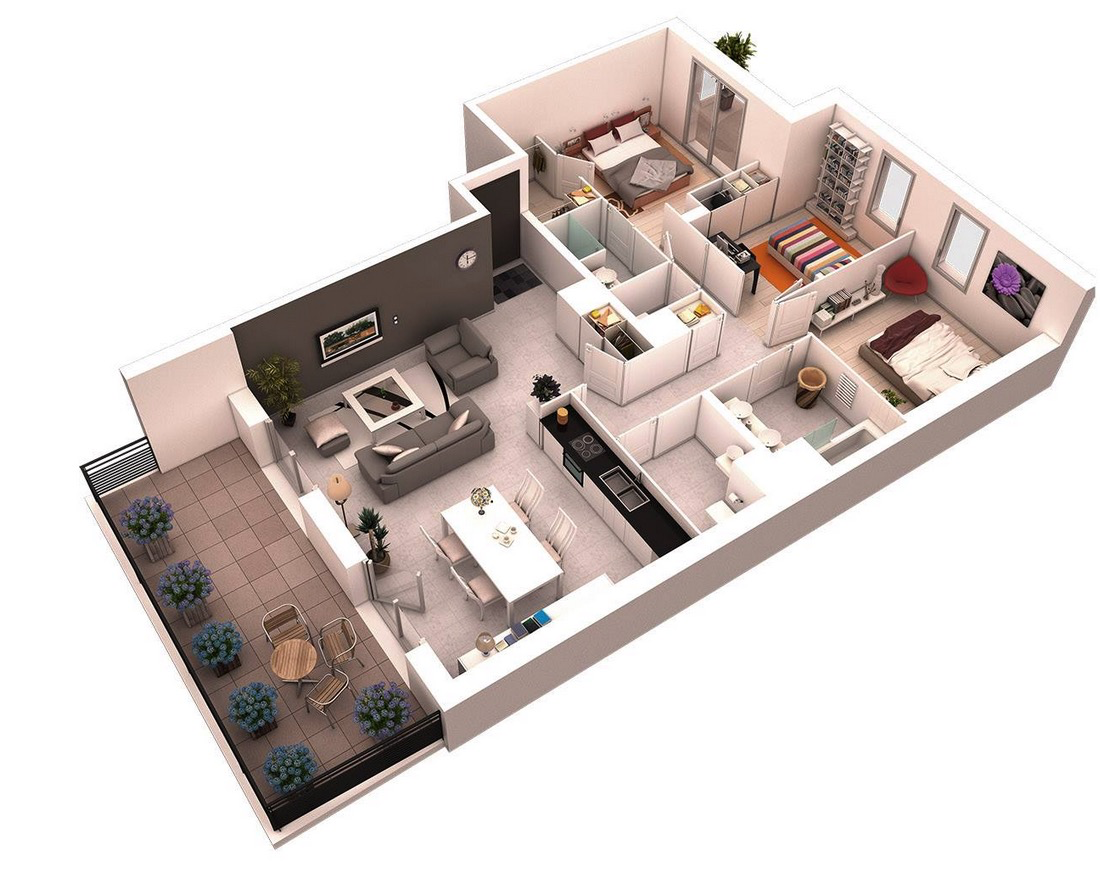
Looking for practical tips to explore the concept? Start by browsing online real estate listings with virtual tours. Pay close attention to how the space is used and how the furniture is arranged. Many home design websites offer 3D floor plan tools that allow you to experiment with different layouts and furniture arrangements. You could even try re-arranging your existing furniture to mimic the feel of an open floor plan, even temporarily. This might involve removing a non-load-bearing wall (consult a professional first, of course!) or simply creating designated zones within a larger room using rugs and furniture placement. Another way to get a feel for it is to visit model homes or open houses in your area. Seeing it in person can provide valuable insights into the pros and cons of this design style.
Ultimately, whether or not an open floor plan is right for you depends on your individual lifestyle and preferences. But with its focus on connection, spaciousness, and natural light, it's certainly a design trend worth exploring, especially if you're in the market for a 3-bedroom home. So, dive in, explore, and discover the potential of this exciting architectural style!