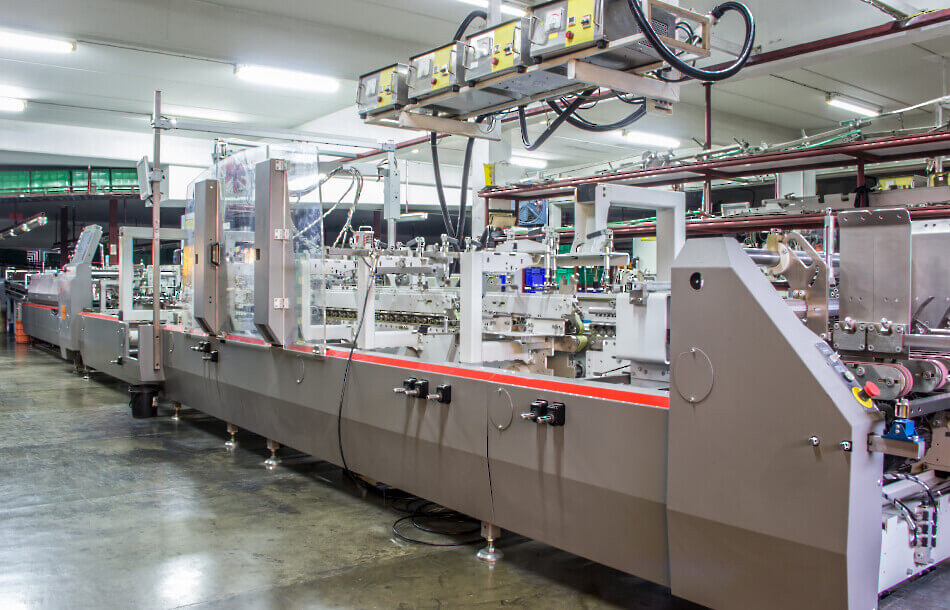
Oem Marking Technologies For Industrial Applications

Okay, picture this: I'm at a craft fair, right? Admiring this gorgeous, hand-carved wooden bowl. The artist, a super chill dude with a magnificent beard, tells me it's "one-of-a-kind." But then I flip it over, and BAM! There's a perfectly laser-etched "Made in China" sticker. Total buzzkill, right? It kinda ruined the whole "artisanal" vibe.
That little sticker mishap got me thinking about marking technology – specifically, how it's used in industrial settings. We're not talking about slapping labels on bowls here, people. We're talking about permanent, traceable, often mission-critical markings on everything from car parts to medical devices. And that's where OEM Marking Technologies come into play.
What's OEM Anyway? And Why Should I Care?
OEM stands for Original Equipment Manufacturer. Basically, it's a company that makes parts or subsystems that are used in another company's end product. Think of it like this: your car has a bunch of parts made by different OEMs – Bosch for the braking system, maybe Denso for the electrical components. (Hey, did you know that? It's kinda neat, right?).
Must Read
Now, why should you care about OEM marking tech? Well, whether you're an engineer, a business owner, or just a curious soul (like me!), understanding how these technologies work is kinda fascinating. Plus, it highlights the importance of traceability and quality control in modern manufacturing. And let's be honest, who doesn't want their stuff to be reliable and safe?
The Cool Tools of the Trade: A Quick Overview
There are a whole bunch of different marking technologies used by OEMs. Here's a quick rundown of some of the most popular:
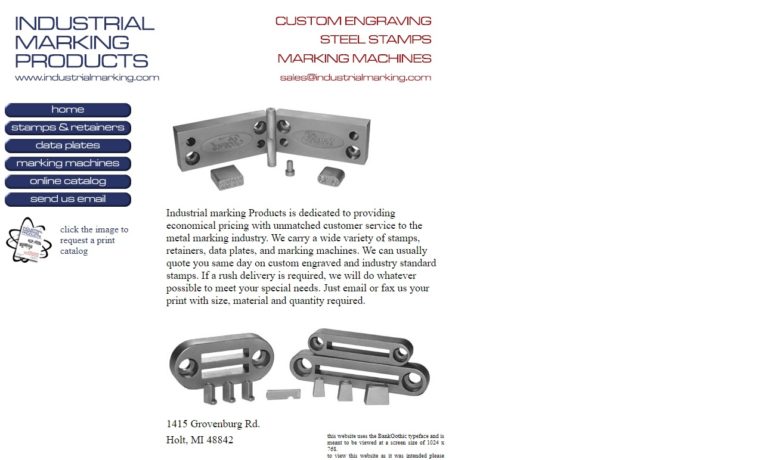
- Laser Marking: Think precise, permanent markings created with a laser beam. Awesome for metals, plastics, and even ceramics. Plus, it looks pretty cool. Seriously, who doesn't love lasers?
- Dot Peen Marking (aka Pin Marking): This one uses a vibrating pin to create a series of dots that form letters, numbers, or even 2D codes. It's a robust and cost-effective solution for many applications. Perfect for rough surfaces!
- Inkjet Marking: Imagine a tiny inkjet printer, but instead of printing on paper, it's printing on metal or plastic. It's great for high-speed applications and can handle a variety of inks and colors.
- Electrochemical Etching: This technique uses electricity and a chemical electrolyte to create a permanent mark on metal. It's often used for serial numbers and part numbers on stainless steel and other metals.
Each technology has its own strengths and weaknesses, depending on the material being marked, the environment, and the desired durability.
Why Accurate Marking Matters (It's Not Just About Looking Pretty!)
Okay, so we've covered the "what," now let's talk about the "why." Accurate and durable markings are absolutely critical for several reasons:

- Traceability: Marking allows manufacturers to track parts throughout the entire production process, from raw materials to finished product. (Think recalls, and pinpointing exactly what went wrong. No one wants a rogue toaster, right?).
- Counterfeit Prevention: Permanent markings can help prevent the spread of counterfeit parts, which can be dangerous and costly.
- Quality Control: Markings can be used to identify parts that have passed inspection or meet certain quality standards.
- Regulatory Compliance: Many industries have regulations that require parts to be marked with specific information, such as serial numbers, dates of manufacture, or safety certifications.
Without reliable marking, the entire manufacturing process can fall apart. Imagine trying to track down a defective component in a complex machine without any identifying marks. Total nightmare!
The Future is Marked (Literally!)
As technology continues to advance, we can expect to see even more sophisticated marking solutions emerge. Think advanced laser technologies that can create incredibly detailed markings at even faster speeds, or AI-powered systems that can automatically verify the accuracy of markings. It's a brave new world... of properly marked stuff!
So, the next time you see a serial number etched on your laptop, or a data matrix code on a medical device, remember the unsung heroes of the manufacturing world: the OEM marking technologies that make it all possible. They might not be as glamorous as hand-carved wooden bowls, but they're certainly just as important (and hopefully, a little more authentic! Just kidding...sort of).