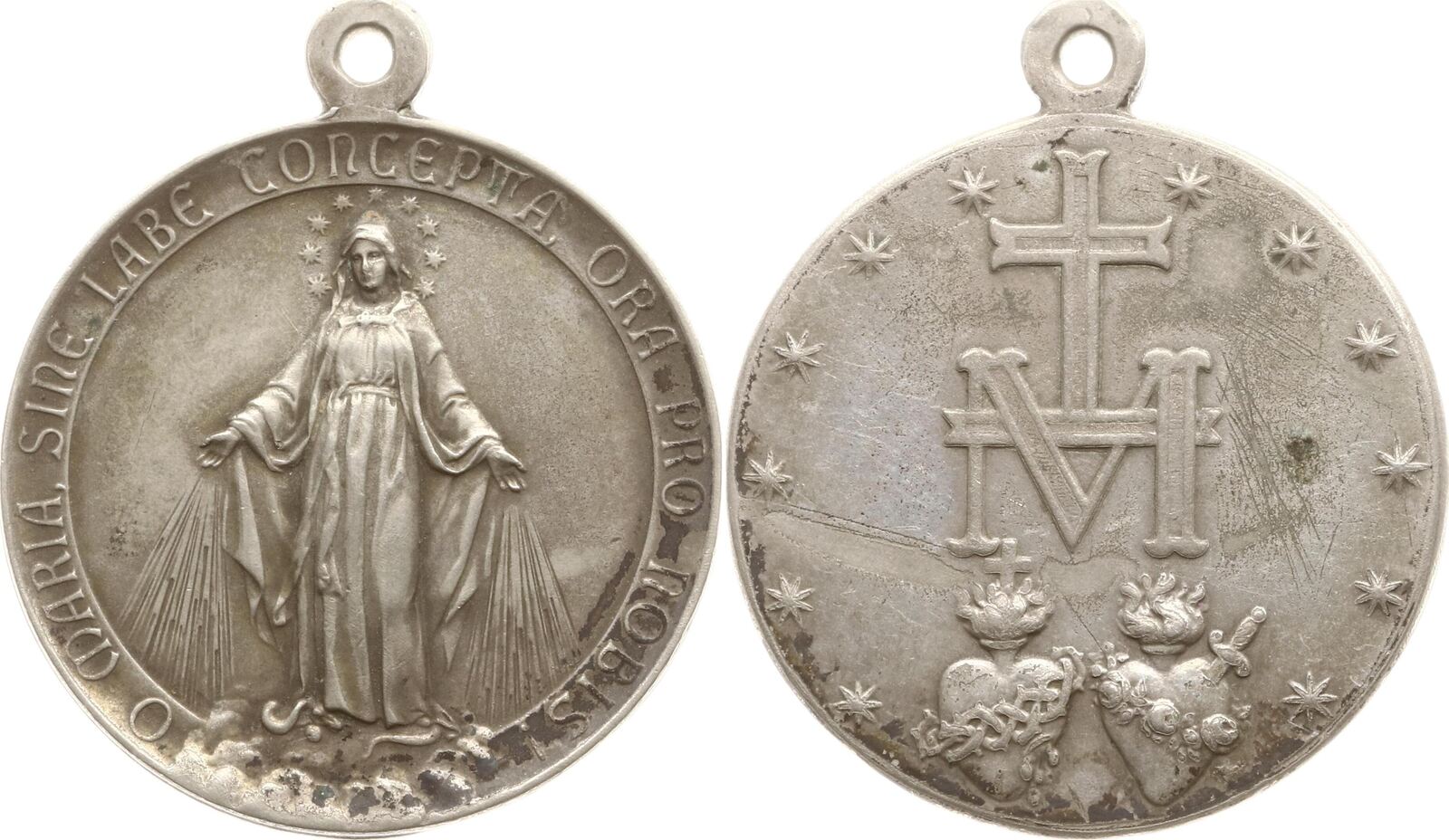
O Maria Concepta Sine Peccato Ora Pro Nobis

Have you ever found yourself needing a little extra help, a quiet word of encouragement, or perhaps just a reminder of something bigger than yourself? Many people find solace and strength in turning to prayer, mantras, or affirmations. Whether it's a quick "thank you" before a meal, a whispered hope during a moment of stress, or a regularly scheduled practice, these small acts of devotion can bring a sense of peace and focus to our often chaotic lives.
One such powerful invocation, steeped in history and meaning, is the Latin phrase "O Maria Concepta Sine Peccato Ora Pro Nobis." For those unfamiliar, it translates to "O Mary, conceived without sin, pray for us." Now, even if you're not Catholic or even religious, the core concept embedded in this phrase offers benefits that transcend specific doctrines. At its heart, it's about seeking intercession, acknowledging your own limitations, and hoping for positive influence. It's a call for guidance and support, a plea to a figure believed to possess purity and grace to advocate on your behalf. This act of reaching out can be incredibly empowering.
How does this apply to everyday life? Think of it as a mental reset button. Feeling overwhelmed at work? Repeating "O Maria Concepta Sine Peccato Ora Pro Nobis" can act as a moment of pause, allowing you to center yourself before tackling the next challenge. Facing a difficult decision? The prayer can provide a sense of clarity and purpose, reminding you to act with integrity and compassion. Parents might quietly recite it for their children's well-being. Students might say it before an exam, hoping for strength and focus. Even in moments of simple gratitude, it can elevate the feeling, acknowledging a source of goodness beyond ourselves.
Must Read
You don't need to be fluent in Latin or deeply religious to benefit from this phrase. The power lies in the intention behind it. Here are a few tips to make it more effective for you:
- Understand the meaning: While you don't need to become a theologian, familiarizing yourself with the translation helps you connect with the sentiment on a deeper level.
- Find your own rhythm: There's no "right" way to say it. Whether you whisper it silently, chant it rhythmically, or write it down repeatedly, experiment to find what resonates with you.
- Visualize: As you recite the phrase, imagine the qualities you associate with Mary - kindness, compassion, strength, purity. This visualization can amplify the feeling of support and guidance.
- Be specific: While the phrase itself is general, you can mentally attach it to a specific situation or person in need of help. This focuses your intention and makes the prayer more personal.
- Practice regularly: Even a few moments each day can make a difference. Incorporate it into your morning routine, before bed, or during moments of stress. Consistency strengthens the connection and makes it a more readily available tool.
Ultimately, "O Maria Concepta Sine Peccato Ora Pro Nobis" is more than just a string of Latin words. It's a vehicle for hope, a pathway to inner peace, and a reminder that we're not alone in our struggles. Give it a try – you might be surprised at the comfort and strength it can bring.