Nuclear Reactor In The Us
Okay, so picture this: you're sitting there, scrolling through TikTok, maybe binge-watching something utterly fantastic. All that digital magic, all that glowing screen... where does the electricity come from? For a decent chunk of the US, it's thanks to something that sounds a bit intimidating, a tad futuristic, but is actually pretty darn reliable: a nuclear reactor. Yeah, I know, "nuclear" often conjures images of mushroom clouds or Homer Simpson at the control panel, but trust me, it's way cooler and a lot less glow-in-the-dark than Hollywood makes it out to be.
Let's peel back the curtain, shall we? What exactly is a nuclear reactor in the US doing? Basically, it's a super-sophisticated, giant tea kettle. No, seriously! At its heart, it's all about making heat. Instead of burning coal or gas, these bad boys use uranium – a special kind of rock – to generate heat through a process called fission. Think of it like splitting tiny atoms, which releases a massive amount of energy. That energy heats water, turns it into steam, and that steam, my friend, spins a giant turbine. Turbine spins generator, generator makes electricity. Voila! Power for your Netflix marathon!
Why Do We Even Have These Things?
Must Read
Good question, right? Why not just stick to good old solar panels and wind farms? Well, while renewables are absolutely vital and growing like crazy, they’re a bit... moody. The sun doesn't always shine, and the wind doesn't always blow. Nuclear power? It's like the dependable friend who always shows up, rain or shine. These plants run 24/7, year-round, pumping out massive amounts of carbon-free electricity. That's a huge win for fighting climate change, wouldn't you agree? No smoky stacks, no greenhouse gases. Just clean, steady power.
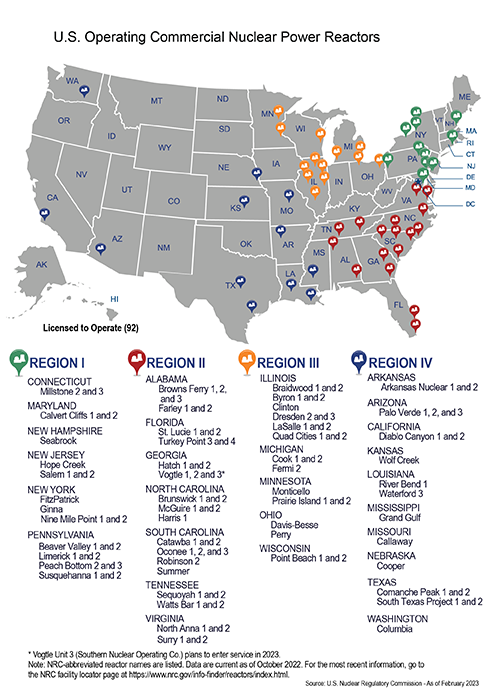
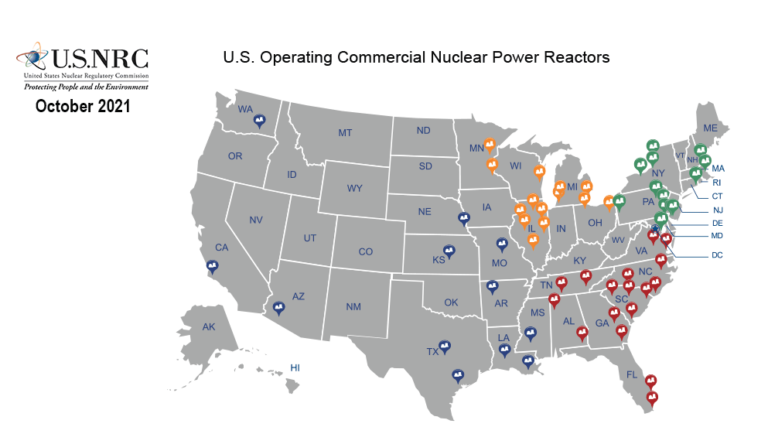
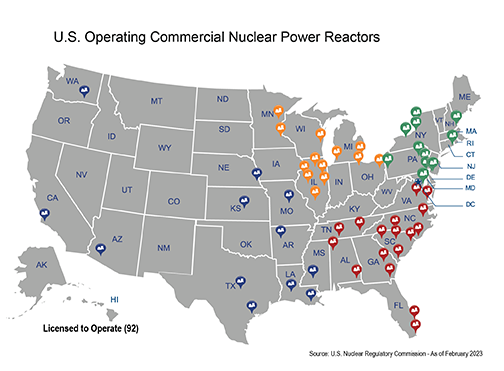
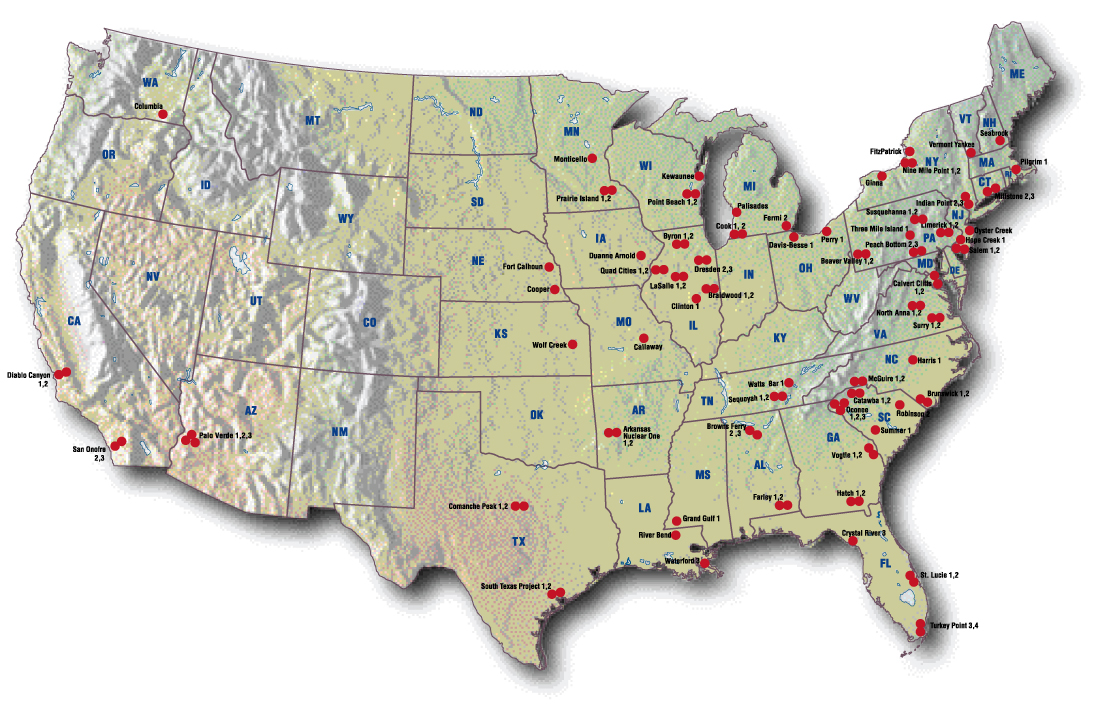
Right now, the US has about 93 nuclear reactors operating across 28 states. That's a lot more than you might have guessed, huh? They quietly produce about 20% of the nation's electricity. So, next time you flip a light switch, there's a good chance a nuclear reactor had a hand in it. Pretty wild when you think about it.
But Are They, Like, Safe?
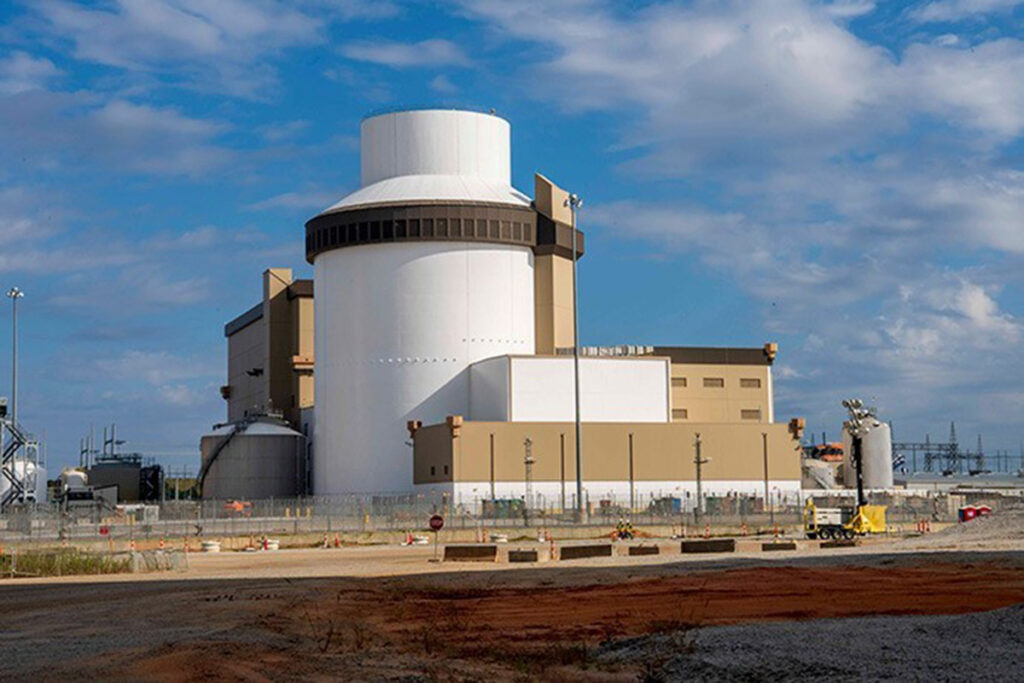
Ah, the million-dollar question! And it's a fair one. The reputation of nuclear power has definitely taken some hits over the decades. But here’s the thing: modern US nuclear power plants are built with layers upon layers of safety features. We're talking concrete containment domes thick enough to withstand a jet crash (yep, tested that concept after 9/11!), automatic shutdown systems, and constant, rigorous oversight from the Nuclear Regulatory Commission (NRC). These aren't your grandpa's nuclear plants, if you catch my drift.
Statistically, nuclear power is actually one of the safest forms of energy generation out there, when you factor in all the accidents and health impacts from other sources. Counter-intuitive, maybe, but true! The industry is ridiculously regulated, and for good reason. No one wants a repeat of past incidents, and the technology and protocols have evolved immensely.
What's Next for Nuclear in the US?
You might think nuclear power is old news, a relic of the Cold War. But actually, it's on the cusp of a pretty exciting comeback! The big buzzword? Small Modular Reactors (SMRs). Imagine mini-reactors, small enough to be built in a factory and shipped to sites. They're inherently safer, more flexible, and can be deployed in places where a massive traditional plant wouldn't make sense. Think small towns, industrial sites, or even replacing old coal plants.
The US is heavily investing in these next-gen designs, hoping to lead the world in developing safer, more efficient nuclear technology. It’s all about finding that sweet spot between energy demand, environmental responsibility, and economic viability. Plus, let's be real, having a power source that doesn't rely on geopolitical whims for fuel is pretty smart, right?
So, there you have it. Nuclear reactors in the US: not scary movie villains, but rather quiet, powerful workhorses keeping our lights on, our phones charged, and our air cleaner. They're a critical part of our energy mix, and with new tech on the horizon, they might just be powering our future in ways we're only just starting to imagine. Pretty neat, huh?